
An adult exposed to tuberculosis is scheduled to begin prophylactic treatment with isoniazid. Which information is most important for the nurse to note before administering the initial dose?
Conversion of the client's PPD test from negative to positive
History of intravenous drug abuse
Current diagnosis of hepatitis B
Length of time of the exposure to tuberculosis
The Correct Answer is C
Choice A reason: Conversion of the client's PPD test from negative to positive is not the most important information for the nurse to note, as this is an expected finding for a client who has been exposed to tuberculosis and does not affect the administration of isoniazid. This is a distractor choice.
Choice B reason: History of intravenous drug abuse is not the most important information for the nurse to note, as this is not directly related to the use of isoniazid and does not contraindicate its administration. This is another distractor choice.
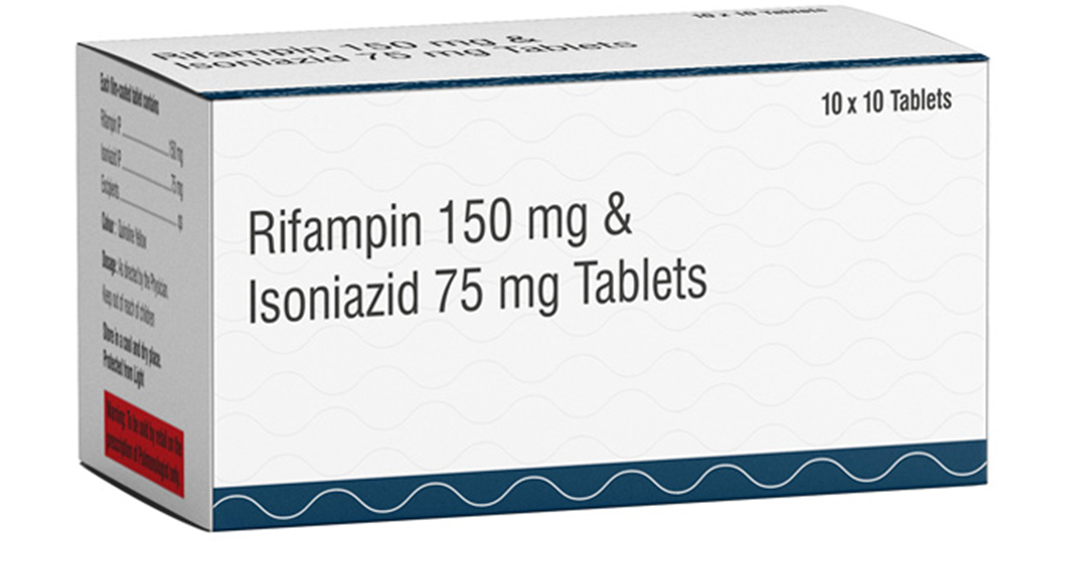
Choice C reason: Current diagnosis of hepatitis B is the most important information for the nurse to note, as this can increase the risk of hepatotoxicity and liver damage from isoniazid, which requires close monitoring and possible dose adjustment. Therefore, this is the correct choice.
Choice D reason: Length of time of the exposure to tuberculosis is not the most important information for the nurse to note, as this does not influence the dosage or frequency of isoniazid and does not indicate any complication or adverse reaction. This is another distractor choice.
Nursing Test Bank
Naxlex Comprehensive Predictor Exams
Related Questions
Correct Answer is ["A","C","D"]
Explanation
Choice A reason: This is a correct answer because continuing to monitor the client for signs of an infection is important to detect any recurrence or complication of MRSA infection. MRSA is a type of bacteria that is resistant to many antibiotics and can cause serious skin, soft tissue, bone, joint, or bloodstream infections. The nurse should assess the client's vital signs, wound appearance, pain level, and laboratory results.
Choice B reason: This is not a correct answer because calling the healthcare provider for a prescription for linezolid is not necessary unless the client has an active MRSA infection that requires treatment. Linezolid is an antibiotic that can be used to treat MRSA infections, but it has potential side effects and interactions that need to be considered. The nurse should not prescribe or administer antibiotics without a valid order.
Choice C reason: This is a correct answer because collecting multiple sets of blood cultures for MRSA screening is important to identify any asymptomatic bacteremia or sepsis that could result from MRSA infection. MRSA can enter the bloodstream through wounds, catheters, or surgical sites and cause life-threatening complications such as endocarditis, osteomyelitis, or pneumonia. The nurse should obtain blood samples from different sites and times and send them to the laboratory for analysis.
Choice D reason: This is a correct answer because placing the client on contact transmission precautions is important to prevent the spread of MRSA to other clients, staff, or visitors. Contact transmission precautions include wearing gloves and gowns when entering the client's room, using dedicated or disposable equipment, and performing hand hygiene before and after contact with the client or their environment.
Choice E reason: This is not a correct answer because obtaining a sputum specimen for culture and sensitivity is not relevant to the client's history of MRSA wound infection. Sputum culture and sensitivity is a test that can be used to diagnose respiratory infections caused by bacteria, fungi, or viruses. The nurse should only obtain a sputum specimen if the client has signs or symptoms of a respiratory infection, such as cough, fever, chest pain, or dyspnea.
Correct Answer is B
Explanation
Choice A reason: A 16-year-old client diagnosed with major depression who refuses to participate in group does not require the nurse's immediate attention. Depression is a mood disorder that causes persistent feelings of sadness, hopelessness, and loss of interest. Refusing to participate in group may indicate low motivation, social withdrawal, or poor self-esteem, which are common symptoms of depression. The nurse should respect the client's preference and offer alternative activities or individual therapy.
Choice B reason:This client requires immediate intervention because pacing can be a sign of agitation, restlessness, or escalating mania. Clients with bipolar disorder in a manic phase may exhibit increased energy, impulsivity, irritability, and even aggression. If not addressed promptly, this behavior could escalate to disruptive outbursts, impulsive actions, or even violence toward themselves or others. The nurse should intervene by using calm communication, redirection, and possibly medication if prescribed to help de-escalate the situation and ensure safety.
Choice Creason:This scenario involves peer conflict, which is important to address, but it does not necessarily indicate an immediate risk of harm. Clients with antisocial behavior often engage in conflict due to manipulative or confrontational tendencies, but being yelled at does not mean they are in immediate danger. The nurse should monitor the situation and intervene to prevent escalation, but other safety concerns take priority.
Choice D reason: A 14-year-old client with anorexia nervosa who is refusing to eat the evening snack does not require the nurse's immediate attention. Anorexia nervosa is an eating disorder that causes extreme restriction of food intake and fear of weight gain. Refusing to eat the evening snack may indicate distorted body image, dietary rules, or anxiety, which are common factors of anorexia nervosa. The nurse should encourage the client to eat and provide support and education.
Whether you are a student looking to ace your exams or a practicing nurse seeking to enhance your expertise , our nursing education contents will empower you with the confidence and competence to make a difference in the lives of patients and become a respected leader in the healthcare field.
Visit Naxlex, invest in your future and unlock endless possibilities with our unparalleled nursing education contents today