
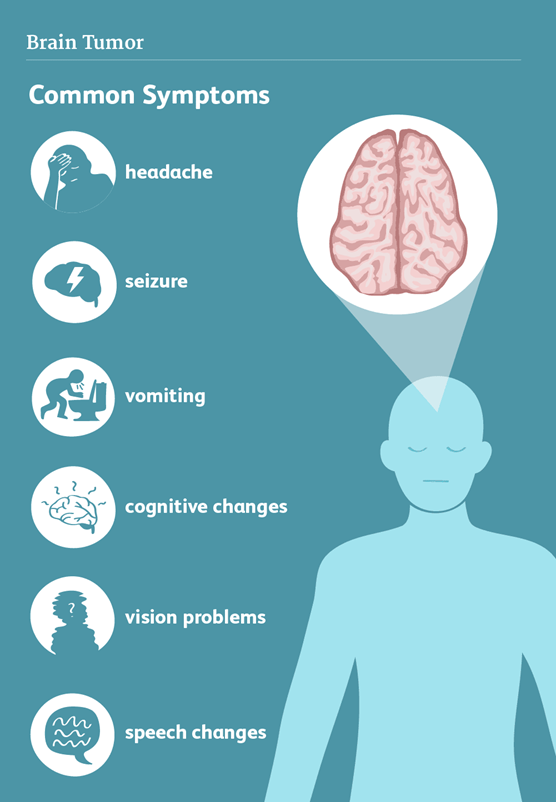
A male client with a brain tumor is scheduled for a biopsy in the morning. During the admission procedure, the client has a tonic-clonic seizure that lasts 50 seconds. Following the seizure, the client is lethargic and confused and his wife tells the nurse that her husband has never had a seizure before and has always been alert and communicative. Which action should the nurse take?
Notify the emergency response team of the client's seizure.
Keep orienting the client to time and place until he is less confused.
Explain the postictal state that usually follows seizures.
Ask the wife to wait outside the room until the nurse can talk with her.
The Correct Answer is B
Choice A reason: Notifying the emergency response team of the client's seizure is not a necessary action for the nurse, as the seizure has already stopped and there is no immediate threat to the client's life. This is a distractor choice.
Choice B reason: Keeping orienting the client to time and place until he is less confused is an appropriate action for the nurse, as this can help restore the client's cognitive function and reduce his anxiety after a seizure. Therefore, this is the correct choice.
Choice C reason: Explaining the postictal state that usually follows seizures is not a priority action for the nurse, as this can be done later when the client is more alert and receptive. This is another distractor choice.
Choice D reason: Asking the wife to wait outside the room until the nurse can talk with her is not a considerate action for the nurse, as this can increase her stress and worry about her husband's condition. This is a contraindicated choice.
Nursing Test Bank
Naxlex Comprehensive Predictor Exams
Related Questions
Correct Answer is C
Explanation
Choice A reason: Reinforcing need for adequate hydration is not the most important action for the nurse to implement, as this is a general recommendation for all clients and does not address the specific needs of this client. This is a distractor choice.
Choice B reason: Providing typed instructions for healthy diet selection is not the most important action for the nurse to implement, as this may not be feasible or accessible for this client who lives in a poor neighborhood and may have limited resources and literacy. This is another distractor choice.
Choice C reason: Scheduling follow-up appointments with specialists is the most important action for the nurse to implement, as this can ensure that this client receives continuous and comprehensive care for their complex and chronic conditions, which can improve their outcomes and quality of life. Therefore, this is the correct choice.
Choice D reason: Demonstrating specific breathing and walking exercises is not the most important action for the nurse to implement, as this can be done by other health care professionals or at home by the client. This is another distractor choice.
Correct Answer is C
Explanation
Choice A reason: When the client has ankle edema is not the most important time for the nurse to assess DTRs, as this is a common finding in pregnancy and does not indicate a neurological or vascular problem. This is a distractor choice.
Choice B reason: Within the first trimester of pregnancy is not the most important time for the nurse to assess DTRs, as this is a routine assessment that can be done at any time during pregnancy and does not reflect any specific risk or complication. This is another distractor choice.
Choice C reason: If the client has an elevated blood pressure is the most important time for the nurse to assess DTRs, as this can indicate preeclampsia, a serious condition that can cause seizures, stroke, and organ damage. DTRs can help detect hyperreflexia, which is a sign of increased intracranial pressure and impending eclampsia. Therefore, this is the correct choice.
Choice D reason: During admission to labor and delivery is not the most important time for the nurse to assess DTRs, as this is a standard assessment that can be done at any stage of labor and does not signify any urgent or emergent situation. This is another distractor choice.
Whether you are a student looking to ace your exams or a practicing nurse seeking to enhance your expertise , our nursing education contents will empower you with the confidence and competence to make a difference in the lives of patients and become a respected leader in the healthcare field.
Visit Naxlex, invest in your future and unlock endless possibilities with our unparalleled nursing education contents today