
A nurse is caring for a 13-month-old toddler who has a prescription for a urinary catheter.
Which of the following urinary catheters should the nurse use?
5 French
12 French
10 French
14 French
The Correct Answer is A
Rationale:
A) The nurse should use a 5 French urinary catheter for the 13-month-old toddler.
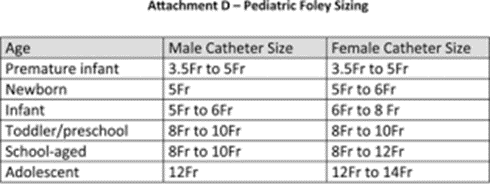
This is because the size of the catheter should be appropriate for the age and weight
of the child, and a smaller catheter will cause less trauma and discomfort to the urethra.
B) A 12 French catheter might be too large and could cause trauma to the urethra in a 13-month-old toddler.
C) A 10 French catheter might be too large and could cause trauma to the urethra in a 13-month-old toddler.
D) A 14 French catheter is larger and may be too invasive for a 13-month-old toddler.
Nursing Test Bank
Naxlex Comprehensive Predictor Exams
Related Questions
Correct Answer is B
Explanation
Rationale:
A. Excessive juice does not cause constipation, but it can reduce the appetite for other foods.
B. A 15-month-old toddler needs about 500 milligrams of calcium per day to support bone growth and development. Calcium can be found in dairy products, fortified cereals, and leafy green vegetables.
C. Toddlers need approximately 1,000 to 1,300 calories per day to support their rapid growth and development. Therefore, 1500- 1800 calories per day is too much for a toddler.
D. While toddlers may experience changes in appetite, there is no specific age-related sudden increase at 18 months mentioned in nutritional guidelines.
Correct Answer is A
Explanation
A. The FLACC pain rating scale is appropriate for infants and young children, assessing pain based on Face, Legs, Activity, Cry, and Consolability, making it suitable for a 5-month-old infant.
B. The COMFORT pain rating scale is generally used for children who are unable to communicate their pain, typically in older children or adolescents, and is less suitable for this age group.
C. The FACES pain rating scale is designed for children aged 3 and older who can identify facial expressions but is not appropriate for a 5-month-old infant.
D. The CRIES pain rating scale is also used for infants but is more specific to neonates (0-6 months) and measures crying, oxygen requirement, increased vital signs, and facial expressions, making it less applicable than the FLACC scale for this specific postoperative context.
Whether you are a student looking to ace your exams or a practicing nurse seeking to enhance your expertise , our nursing education contents will empower you with the confidence and competence to make a difference in the lives of patients and become a respected leader in the healthcare field.
Visit Naxlex, invest in your future and unlock endless possibilities with our unparalleled nursing education contents today