
When is it most important for the nurse to assess a pregnant client's deep tendon reflexes (DTRs)?
When the client has ankle edema.
If the client has an elevated blood pressure.
During admission to labor and delivery.
Within the first trimester of pregnancy.
The Correct Answer is B
Choice A reason: When the client has ankle edema, it is important for the nurse to assess for other signs of fluid retention, such as weight gain, jugular venous distension, and crackles in the lungs. However, ankle edema alone is not a specific indicator of preeclampsia or eclampsia, which are conditions that can cause hyperreflexia or increased DTRs.
Choice B reason: This is the correct answer because if the client has an elevated blood pressure, it is important for the nurse to assess for other signs of preeclampsia or eclampsia, such as proteinuria, headache, blurred vision, epigastric pain, and hyperreflexia or increased DTRs. These conditions can cause seizures and other complications that can endanger the mother and fetus.

Choice C reason: During admission to labor and delivery, it is important for the nurse to assess various aspects of the client's health status, such as vital signs, fetal heart rate, contractions, cervical dilation, and pain level. However, assessing DTRs is not a routine part of labor and delivery assessment unless there are signs of preeclampsia or eclampsia.
Choice D reason: Within the first trimester of pregnancy, it is important for the nurse to assess for signs of pregnancy-related nausea and vomiting, bleeding, infection, and ectopic pregnancy. However, assessing DTRs is not a routine part of first trimester assessment unless there are signs of neurological disorders or spinal cord injury.
Nursing Test Bank
Naxlex Comprehensive Predictor Exams
Related Questions
Correct Answer is C
Explanation
Choice A reason: Reinforcing need for adequate hydration is not the most important action for the nurse to implement, as this is a general recommendation for all clients and does not address the specific needs of this client. This is a distractor choice.
Choice B reason: Providing typed instructions for healthy diet selection is not the most important action for the nurse to implement, as this may not be feasible or accessible for this client who lives in a poor neighborhood and may have limited resources and literacy. This is another distractor choice.
Choice C reason: Scheduling follow-up appointments with specialists is the most important action for the nurse to implement, as this can ensure that this client receives continuous and comprehensive care for their complex and chronic conditions, which can improve their outcomes and quality of life. Therefore, this is the correct choice.
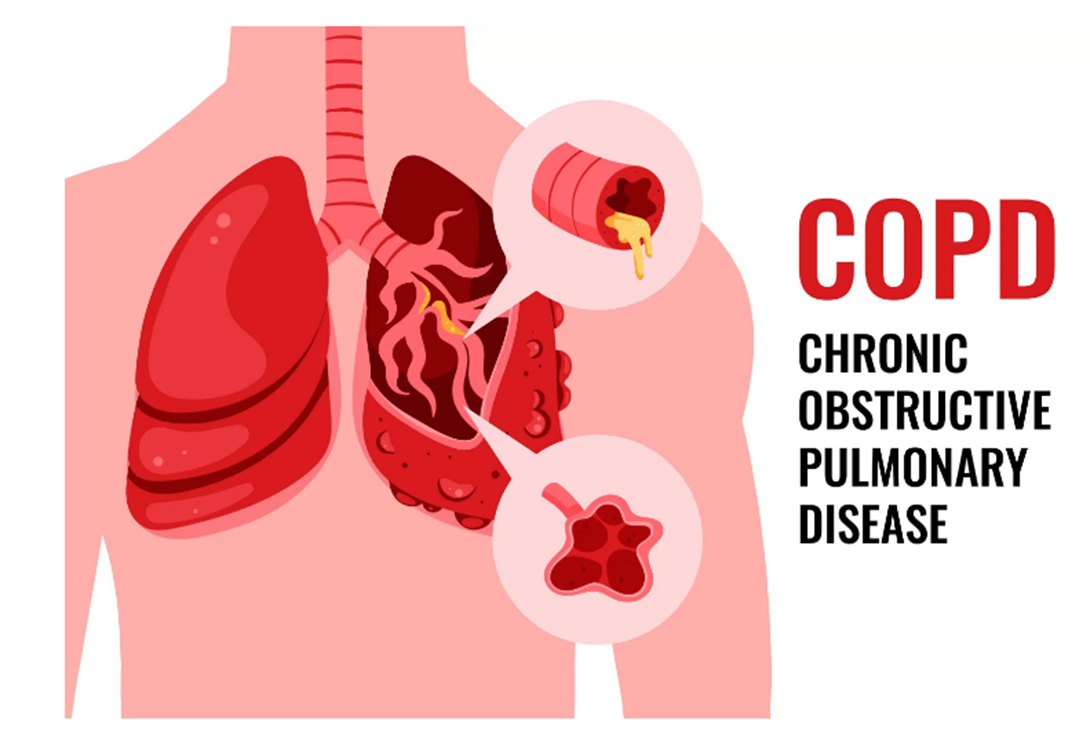
Choice D reason: Demonstrating specific breathing and walking exercises is not the most important action for the nurse to implement, as this can be done by other health care professionals or at home by the client. This is another distractor choice.
Correct Answer is C
Explanation
Choice A reason: Remove the catheter and palpate the client's bladder for residual distention. This is not the best action, as it may cause discomfort and trauma to the client. The catheter should not be removed until the bladder is fully emptied or up to 1,000 mL of urine is drained, as removing it too soon may cause urinary retention or infection.
Choice B reason: Remove the catheter and replace with an indwelling catheter. This is not the best action, as it may cause unnecessary exposure and trauma to the client. The catheter should not be replaced unless ordered by the healthcare provider, as replacing it may increase the risk of infection or urethral injury.
Choice C reason: Allow the bladder to empty completely or up to 1,000 mL of urine. This is the best action, as it can prevent bladder spasms, overdistention, or rupture. The nurse should monitor the urine output and color, and document the amount and characteristics of urine drained.
Choice D reason: Clamp the catheter for thirty minutes and then resume draining. This is not the best action, as it may cause pain and discomfort to the client. The catheter should not be clamped unless ordered by the healthcare provider, as clamping it may increase the risk of infection or bladder damage.
Whether you are a student looking to ace your exams or a practicing nurse seeking to enhance your expertise , our nursing education contents will empower you with the confidence and competence to make a difference in the lives of patients and become a respected leader in the healthcare field.
Visit Naxlex, invest in your future and unlock endless possibilities with our unparalleled nursing education contents today