
The nurse is caring for an adolescent with type 1 diabetes mellitus presenting with an HbA1c of 11% (97 mmol/mol), thirst, and blurred vision. Which action should the nurse take first?
Review prior insulin prescriptions.
Obtain point-of-care glucose.
Assess urine for ketones.
Check blood pressure.
The Correct Answer is B
The adolescent's symptoms suggest that their blood glucose levels may be very high. Obtaining a point-of- care glucose reading is the first step in assessing the adolescent's current blood glucose levels and determining the appropriate course of action.
Reviewing prior insulin prescriptions, assessing urine for ketones, and checking blood pressure are also important interventions but should occur after the blood glucose level has been determined.
Nursing Test Bank
Naxlex Comprehensive Predictor Exams
Related Questions
Correct Answer is B
Explanation
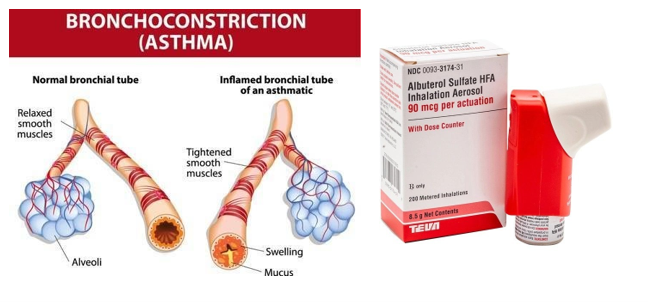
Albuterol is a beta-adrenergic agonist agent that is used to open the airways in people with bronchial asthma. The mother's use of this medication to open her son's airway when he is having trouble breathing is appropriate. Overuse of the drug may cause side effects, but it does not cause chronic bronchitis (A)
Albuterol helps to relax the muscles in the airways, but it does not reduce airway inflammation (C)There is no indication that the child needs immediate evaluation (D)
Correct Answer is C
Explanation
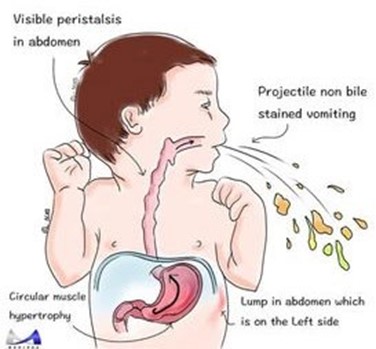
In a 5-week-old infant presenting with a history of projectile vomiting after feedings, the nurse should expect to assess an olive-size mass in the epigastric area. This finding is consistent with pyloric stenosis, a condition in which the muscle at the bottom of the stomach that controls the flow of food into the small intestine becomes thickened and narrowed.
Rebound tenderness in the left lower abdominal quadrant, stool that consists of mucus and blood, and frequent burping accompanied by poor feeding are not typically associated with pyloric stenosis.
Whether you are a student looking to ace your exams or a practicing nurse seeking to enhance your expertise , our nursing education contents will empower you with the confidence and competence to make a difference in the lives of patients and become a respected leader in the healthcare field.
Visit Naxlex, invest in your future and unlock endless possibilities with our unparalleled nursing education contents today