
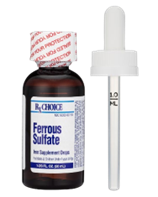
The nurse observes a mother giving her 11-month-old ferrous sulfate (iron drops), followed by 2 ounces (60 mL) of orange juice. What should the nurse do next?
Suggest placing the iron drops in the orange juice and then feeding the infant.
Give the mother positive feedback about the way she administered the medication.
Instruct the mother to feed the infant nothing for 30 minutes after giving the iron drops.
Tell the mother to follow the iron drops with infant formula instead of orange juice.
The Correct Answer is B
The nurse should give the mother positive feedback about the way she administered the medication. Giving the infant orange juice after administering the iron drops is a good practice because vitamin C in the orange juice can enhance the absorption of iron. The other options (A, C, and D) are not appropriate actions for the nurse to take in this situation.
Nursing Test Bank
Naxlex Comprehensive Predictor Exams
Related Questions
Correct Answer is B
Explanation
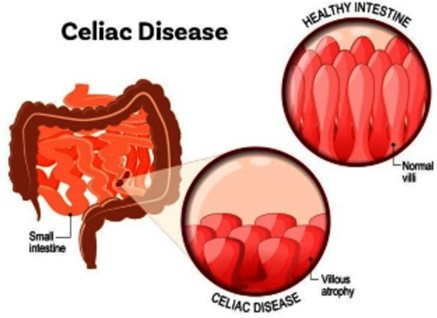
The nurse should include rice in the list of allowed foods for a child who is newly diagnosed with celiac disease. Rice is a gluten-free grain and is safe for individuals with celiac disease to consume. Rye, oats, and barley all contain gluten and should be avoided by individuals with celiac disease. However, some individuals with celiac disease may be able to tolerate oats that are certified gluten-free and not contaminated with other gluten-containing grains.
Correct Answer is D
Explanation
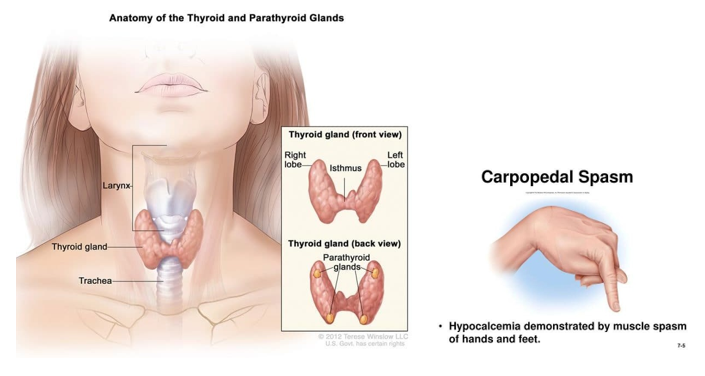
Hypoparathyroidism is a disorder in which the parathyroid glands produce insufficient amounts of parathyroid hormone, which regulates calcium and phosphorus levels in the body. In hypoparathyroidism, there is a decreased level of calcium in the blood, which can result in carpal spasm or tetany when pressure is applied to the upper arm.
Therefore, the nurse should review the child's calcium level (D) to determine if it is within the normal range. Low calcium levels can cause muscle spasms, seizures, and cardiac arrhythmias. Hypocalcemia may also result in other symptoms such as numbness, tingling, and muscle cramps.
Potassium (A), chloride (B), and sodium (C) are electrolytes that play important roles in various physiological processes in the body, but they are not directly related to the development of carpal spasm in a child with hypoparathyroidism. While hypokalemia (low potassium) or hyponatremia (low sodium) can cause muscle weakness or cramps, these conditions are not typically associated with carpal spasm in hypoparathyroidism.
Whether you are a student looking to ace your exams or a practicing nurse seeking to enhance your expertise , our nursing education contents will empower you with the confidence and competence to make a difference in the lives of patients and become a respected leader in the healthcare field.
Visit Naxlex, invest in your future and unlock endless possibilities with our unparalleled nursing education contents today