
The nurse notes a client in supraventricular tachycardia. The patient has a pulse and the cardiac monitor is at the bedside. The nurse understands electrical intervention is indicated. What button does the nurse push to ensure the electricity is delivered on the R wave? Refer to the picture.
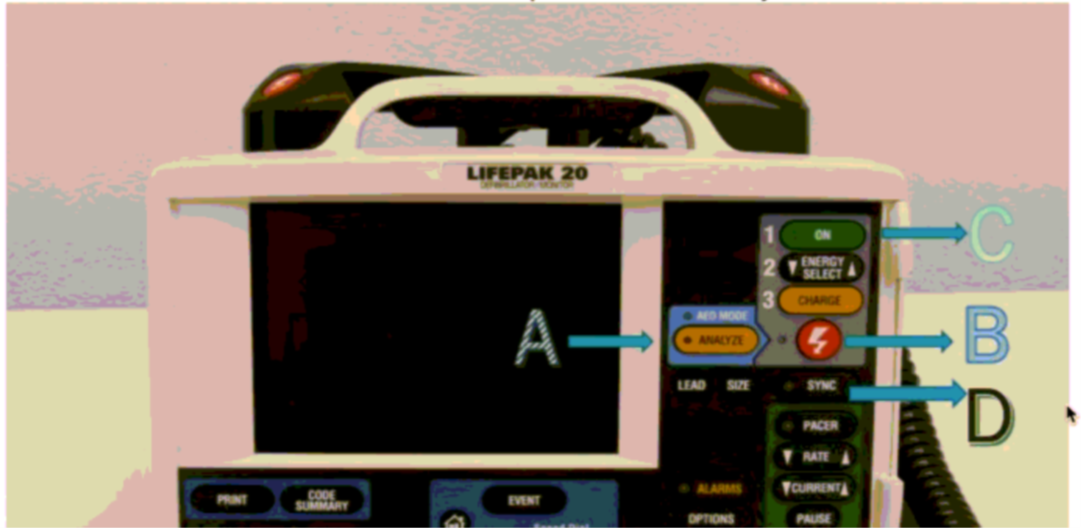
ANALYZE
SHOCK
ON
SYNC
The Correct Answer is D
Choice A rationale: The “ANALYZE” button is typically used to allow the defibrillator to analyze the heart rhythm. It would not ensure that the electricity is delivered on the R wave6.
Choice B rationale: The “SHOCK” button is used to deliver a shock during defibrillation or cardioversion. However, it does not specifically ensure that the shock is delivered on the R wave6.
Choice C rationale: The “ON” button is typically used to turn the device on or off. It does not control the timing of the electrical delivery6.
Choice D rationale: The “SYNC” button is used in synchronized cardioversion to match the delivery of the shock to the R wave of the ECG, which is the peak of the electrical wave during which the ventricular cells are depolarized6.
So, the correct answer is D, after analysing all choices.
Nursing Test Bank
Naxlex Comprehensive Predictor Exams
Related Questions
Correct Answer is C
Explanation
A. Docusate sodium 200 mg PO at bedtime:
This prescription seems appropriate. Docusate sodium is a stool softener commonly used to prevent or alleviate constipation. Taking it at bedtime can help ensure a regular bowel movement in the morning.
B. Meloxicam 15 mg PO daily:
This prescription is generally appropriate. Meloxicam is a nonsteroidal anti-inflammatory drug (NSAID) used for pain and inflammation. The daily dosing is common, but the nurse should assess for any contraindications or potential issues with the patient's renal function since NSAIDs can affect the kidneys.
C. Regular insulin 8 units subcutaneous before meals:
This prescription requires clarification. While the prescription indicates the correct medication and route (regular insulin subcutaneously), it lacks specificity regarding the timing in relation to meals. Regular insulin is typically given 30 minutes before meals to control postprandial blood glucose levels. The nurse should contact the provider to confirm the appropriate timing.
D. Fentanyl 25 mcg/hr transdermal patch:
This prescription seems appropriate. Fentanyl is a potent opioid analgesic, and a transdermal patch provides continuous pain relief over an extended period. The dose is specified in micrograms per hour (mcg/hr), which is a common method for administering continuous medications
Correct Answer is ["A","B","C","D"]
Explanation
Choice A rationale: Vitamin K is given to counteract the effects of anticoagulants like warfarin, which might have been administered to manage atrial fibrillation1.
Choice B rationale: Heparin is an anticoagulant often used in the initial management of atrial fibrillation to prevent the formation of clots2.
Choice C rationale: PT, PTT, and INR are lab tests used to monitor the effectiveness of anticoagulation therapy1.
Choice D rationale: Coumadin (warfarin) is a long-term anticoagulant therapy often used in the management of atrial fibrillation1.
Choice E rationale: Verapamil is a calcium channel blocker, not typically the first line of treatment for atrial fibrillation3.
So, the correct answer is Choices A, B, C, and D, after analyzing all choices.
Whether you are a student looking to ace your exams or a practicing nurse seeking to enhance your expertise , our nursing education contents will empower you with the confidence and competence to make a difference in the lives of patients and become a respected leader in the healthcare field.
Visit Naxlex, invest in your future and unlock endless possibilities with our unparalleled nursing education contents today