
The practical nurse (PN) is monitoring the neurological vital signs of a client with a recently closed head injury. Which vital sign trends indicate increased intracranial pressure (ICP) and should be reported to the charge nurse?
Heart rate above 110 beats/minute, elevated respiratory rate, and hypotension.
Bounding pulse rate, groaning respiratory effort, and elevated blood pressure.
Thready rapid pulse, trembling, perspiration, weakness, and irritability.
Bradycardia, irregular respiratory patterns, widening pulse pressure.
The Correct Answer is D
The vital sign trends that indicate increased intracranial pressure (ICP) and should be reported to the charge nurse are:
Bradycardia: A slow heart rate can be a sign of increased ICP.
Irregular respiratory patterns: Abnormal breathing patterns, such as irregular or Cheyne-Stokes respirations, can be indicative of increased ICP.
Widening pulse pressure: An increased difference between systolic and diastolic blood pressure (widening pulse pressure) can be a sign of increased ICP.
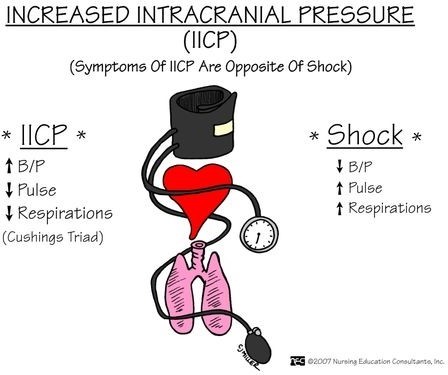
A- Heart rate above 110 beats/minute, elevated respiratory rate, and hypotension: While an elevated heart rate and respiratory rate can be associated with increased ICP, hypotension (low blood pressure) is not typically seen in this condition. Hypotension can be a sign of other factors, such as hypovolemia or shock, which may or may not be related to the head injury.
B- Bounding pulse rate, groaning respiratory effort, and elevated blood pressure: Bounding pulse rate and elevated blood pressure are not specific to increased ICP. They can be influenced by other factors such as pain, anxiety, or medications. Groaning respiratory effort may indicate respiratory distress, but it is not directly related to increased ICP.
C- Thready rapid pulse, trembling, perspiration, weakness, and irritability: These signs and symptoms can be associated with various conditions such as anxiety, stress, or other physiological responses. While they may occur in the context of increased ICP, they are not specific to this condition alone.
Nursing Test Bank
Naxlex Comprehensive Predictor Exams
Related Questions
Correct Answer is A
Explanation
A. Washing the hair and skin daily with mild soap and warm water helps remove excess oil, dirt, and bacteria that can contribute to acne formation. Gentle cleansing is an appropriate first-line recommendation for adolescents with mild acne.
B. Eliminating specific foods such as chocolate or fried foods is not consistently supported by evidence as a primary treatment for acne. Diet may influence some individuals, but routine restriction of these foods is not a standard initial recommendation.
C. Squeezing or expressing blackheads can traumatize the skin, increase inflammation, and lead to scarring or infection. Harsh exfoliation may further irritate the skin and worsen acne.
D. Referral to a dermatologist may be necessary for severe or persistent acne. However, initial management for mild acne typically includes proper skin hygiene and over-the-counter measures before pursuing long-term prescription therapy.
Correct Answer is A
Explanation
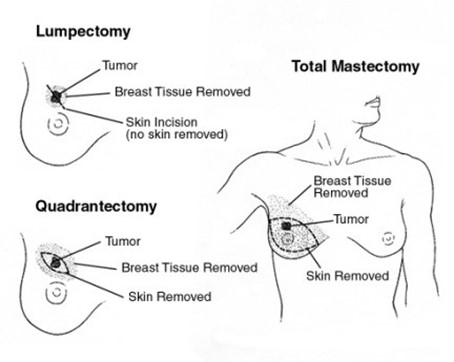
- A mastectomy is a surgical procedure that involves the removal of all or part of the breast, usually to treat breast cancer. A mastectomy can have a significant impact on a woman's physical, emotional, and psychological well-being, as it may affect her body image, self-esteem, sexuality, and identity.
- A mastectomy incision is the wound that results from the surgery, which may vary in size, shape, and location depending on the type and extent of the mastectomy. The incision may be closed with stitches, staples, or glue, and covered with a dressing or bandage.
- The first dressing change is usually done within 24 to 48 hours after the surgery, and it involves removing the old dressing, inspecting the incision for any signs of infection or complications, cleaning the wound, applying a new dressing, and educating the client about wound care .
- When the practical nurse (PN) tells the client that her mastectomy incision is healing well, but the client refuses to look at the incision and refuses to talk about it, this may indicate that the client is experiencing denial, fear, anger, grief, or depression due to the loss of her breast. These are normal and common reactions that may occur at different stages of the recovery process.
- The best response by the PN to the client's silence is to acknowledge and respect the client's feelings, provide support and reassurance, and offer assistance when needed. This will help to establish trust and rapport with the client, as well as promote her coping and adjustment.
- Therefore, option A is the best answer, as it shows empathy and respect for the client's feelings, while also informing the client that the PN will be available when she is ready to look or talk about the mastectomy. Option A also implies that the PN will not pressure or force the client to do something that she is not comfortable with.
- Options B, C, and D are incorrect answers, as they do not show empathy or respect for the client's feelings, and they may cause more harm than good.
Whether you are a student looking to ace your exams or a practicing nurse seeking to enhance your expertise , our nursing education contents will empower you with the confidence and competence to make a difference in the lives of patients and become a respected leader in the healthcare field.
Visit Naxlex, invest in your future and unlock endless possibilities with our unparalleled nursing education contents today