
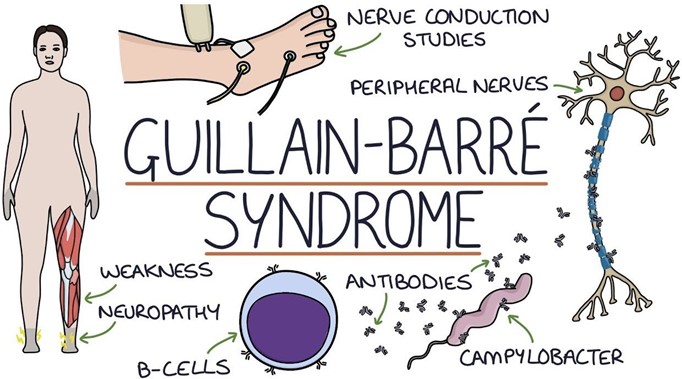
While caring for a client with Guillain-Barre syndrome, which finding should the practical nurse (PN) report to the charge nurse?
Irregular heart rate.
Profuse diaphoresis.
Lower leg weakness.
Full facial flushing.
The Correct Answer is A
This is the finding that the PN should report to the charge nurse because it indicates a possible complication of Guillain-Barre syndrome, which is autonomic dysfunction. This can affect the cardiac, respiratory, and gastrointestinal systems and cause life-threatening problems such as arrhythmias, hypotension, or respiratory failure. The PN should monitor the client's vital signs closely and report any abnormal changes.
B. Profuse diaphoresis is not a priority finding and may be related to other factors such as fever, anxiety, or medication side effects.
C. Lower leg weakness is an expected finding in Guillain-Barre syndrome and does not need to be reported unless it progresses rapidly or affects the respiratory muscles.
D. Full facial flushing is not a priority finding and may be related to other factors such as vasodilation, inflammation, or medication side effects.
Nursing Test Bank
Naxlex Comprehensive Predictor Exams
Related Questions
Correct Answer is ["40"]
Explanation
The client’s 0730 finger stick glucose is 271 mg/dL. According to the sliding scale parameters, the client should receive:
Step 1: Determine the amount of insulin aspart based on the sliding scale. Since the glucose level is 271 mg/dL, which falls in the range of 270 to 300 mg/dL, the client should receive 15 units of insulin aspart.
Step 2: Add the amount of NPH insulin to the amount of insulin aspart. The client has a prescription for NPH insulin 25 units before breakfast. So, the total amount of insulin this client should receive is 25 units (NPH insulin) + 15 units (insulin aspart) = 40 units.
So, the total amount of insulin this client should receive is40 units.
Correct Answer is D
Explanation
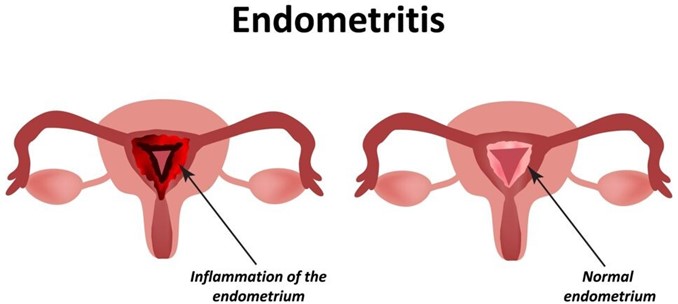
This is the finding that the PN should instruct the postpartum client to report to the charge nurse because it may indicate an infection, such as endometritis, mastitis, or urinary tract infection, that requires prompt treatment. The PN should also instruct the client to monitor for other signs of infection, such as foul-smelling lochia, redness or tenderness of the breasts, or dysuria.
A. Increased diaphoresis during the day and night is a normal finding in the postpartum period and does not need to be reported. It is caused by hormonal changes and fluid shifts that occur after delivery.
B. Breast engorgement on the fourth postpartum day is a normal finding in the postpartum period and does not need to be reported. It is caused by increased blood flow and milk production in the breasts.
C. Lochia color that changes to light pink or white is a normal finding in the postpartum period and does not need to be reported. It indicates that the uterine lining is healing and regenerating after delivery.
Whether you are a student looking to ace your exams or a practicing nurse seeking to enhance your expertise , our nursing education contents will empower you with the confidence and competence to make a difference in the lives of patients and become a respected leader in the healthcare field.
Visit Naxlex, invest in your future and unlock endless possibilities with our unparalleled nursing education contents today