
What is the correct order for the stages of a lytic replication cycle, from earliest to latest stages?
Synthesis
Assembly
Attachment
Entry
Release
Correct Answer : A,B,C,D,E
A. Synthesis: After entry, the viral genome directs the host cell machinery to synthesize viral nucleic acids and proteins. This step comes after attachment and entry, not at the beginning.
B. Assembly: Once viral components are synthesized, they are assembled into complete virions. This occurs later in the cycle, just before release.
C. Attachment: The first step is the virus binding to specific receptors on the host cell surface, initiating infection. This allows the virus to target a suitable host cell.
D. Entry: After attachment, the viral nucleic acid or entire virion enters the host cell through mechanisms like endocytosis or membrane fusion. This is the second step.
E. Release: The final stage is when mature virions exit the host cell, often by lysis in bacteriophages or budding in enveloped viruses, enabling them to infect new cells.
Nursing Test Bank
Naxlex Comprehensive Predictor Exams
Related Questions
Correct Answer is A
Explanation
A. Biosafety Level 1: BSL-1 is designated for microbes that pose minimal risk to humans and the environment. These organisms are non-pathogenic and can be safely handled with standard laboratory practices.
B. Biosafety Level 2: BSL-2 is used for organisms that pose moderate risk and may cause human disease, requiring additional precautions such as limited lab access and protective equipment.
C. Biosafety Level 3: BSL-3 applies to microbes that can cause serious or potentially lethal diseases via inhalation, requiring controlled access and specialized safety equipment.
D. Biosafety Level 4: BSL-4 is reserved for dangerous, exotic pathogens such as Ebola virus, which carry high risk of life-threatening disease and require maximum containment facilities.
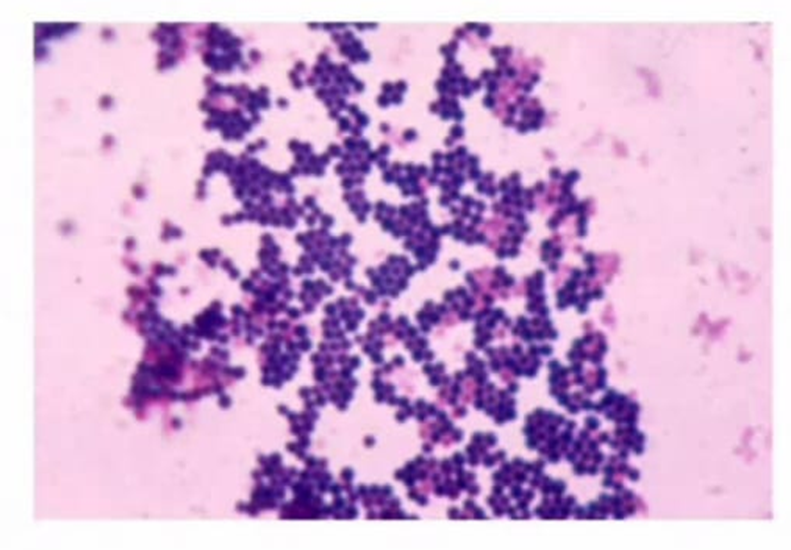
Correct Answer is C
Explanation
A. streptobacilli: Streptobacilli are rod-shaped bacteria arranged in chains. The image shows spherical bacteria.
B. streptococci: Streptococci are spherical bacteria that form chains. The bacteria in the image appear in clusters rather than chains.
C. staphylococci: Staphylococci are spherical bacteria that form grape-like clusters, which matches the arrangement seen in the image. This clustering pattern is a key characteristic of staphylococcal species.
D. palisades: Palisade arrangements refer to rod-shaped bacteria lined up side by side like a fence. The bacteria in the image are spherical and clustered.
Whether you are a student looking to ace your exams or a practicing nurse seeking to enhance your expertise , our nursing education contents will empower you with the confidence and competence to make a difference in the lives of patients and become a respected leader in the healthcare field.
Visit Naxlex, invest in your future and unlock endless possibilities with our unparalleled nursing education contents today