
What is the primary characteristic of a stage 1 pressure injury?
Full-thickness skin loss with visible fat.
Partial-thickness skin loss involving the epidermis and dermis.
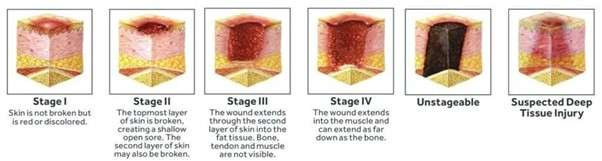
Intact skin with nonblanchable erythema.
Deep injury extending down to the bone.
The Correct Answer is C
A. Full-thickness skin loss with visible fat.: This describes a Stage 3 pressure injury.
B. Partial-thickness skin loss involving the epidermis and dermis.: This describes a Stage 2 pressure injury.
C. Intact skin with nonblanchable erythema.: A Stage 1 pressure injury is characterized by localized intact skin with a persistent area of redness (erythema) that does not blanch (turn white) when light pressure is applied. This nonblanching indicates deep tissue damage caused by pressure.
D. Deep injury extending down to the bone.: This describes a Stage 4 pressure injury.
Nursing Test Bank
Naxlex Comprehensive Predictor Exams
Related Questions
Correct Answer is C
Explanation
A. Normal healing process: Normal healing involves serous or serosanguineous drainage. Purulent drainage signifies a complication (infection).
B. Eschar formation: Eschar is hard, black, necrotic tissue; it is not a type of drainage.
C. Presence of infection: Purulent drainage (pus)-which is thick, opaque, and often yellow, green, or brown-is composed of dead white blood cells, bacteria, and tissue debris, indicating a localized bacterial infection.
D. Granulation tissue: Granulation tissue is bright red, moist, and bumpy tissue, which is a sign of the proliferative phase of normal healing, not the fluid component.
Correct Answer is B
Explanation
A. Ensure complete bed rest:Complete bed rest is contraindicated because it increases the risk of new pressure injuries and complications like pneumonia and deep vein thrombosis (DVT). The patient must be turned and mobilized as tolerated.
B. Prevent further tissue breakdown:The primary goal in the care plan for an existing pressure injury (Stage 3 or any other stage) is to prevent the injury from worsening (e.g., advancing to Stage 4) and to prevent the formation of new pressure injuries at other sites. This is achieved through aggressive pressure relief and proper moisture management.
C. Encourage high protein diet:This is an essential component of the care plan, as protein is necessary for wound repair, but it is a supportive intervention, not the primary goal itself. The goal is the clinical outcome (prevention/healing).
D. Increase patient's fluid intake:This is an important intervention for perfusion and tissue hydration, but like the high-protein diet, it is a supportive action rather than the primary goal of the nursing care plan.
Whether you are a student looking to ace your exams or a practicing nurse seeking to enhance your expertise , our nursing education contents will empower you with the confidence and competence to make a difference in the lives of patients and become a respected leader in the healthcare field.
Visit Naxlex, invest in your future and unlock endless possibilities with our unparalleled nursing education contents today