
Which of the following actions would the nurse take when caring for a client with nasal packing who had surgery 6 hours ago? (Select all that apply)
Observe for clear drainage.
Assess for signs of bleeding.
Watch the client for frequent swallowing.
Change the nasal packing.
Administer a nasal steroid to decrease edema.
Correct Answer : A,B,C
Choice A: Observe for clear drainage.
Reason: Observing for clear drainage is important as it can indicate cerebrospinal fluid (CSF) leakage, especially after nasal or sinus surgery. CSF leakage is a serious complication that requires immediate medical attention. Clear drainage from the nose should be tested for the presence of glucose, which can confirm if it is CSF.
Choice B: Assess for signs of bleeding.
Reason: Assessing for signs of bleeding is crucial in the immediate postoperative period. Nasal packing can sometimes mask ongoing bleeding, so it is important to monitor for any signs of excessive blood loss. This includes checking for blood-soaked dressings, frequent swallowing (which can indicate blood trickling down the throat), and changes in vital signs such as increased heart rate and decreased blood pressure.
Choice C: Watch the client for frequent swallowing.
Reason: Watching the client for frequent swallowing is important because it can be a sign of posterior nasal bleeding. Blood can trickle down the back of the throat, causing the client to swallow frequently. This is a subtle but significant sign that should prompt further investigation and possible intervention.
Choice D: Change the nasal packing.
Reason: This choice is incorrect. Nasal packing should not be changed by the nurse without specific orders from the physician. Changing the packing prematurely can disrupt the surgical site, cause bleeding, and increase the risk of infection. The packing is usually removed by the surgeon or under their direct supervision.
Choice E: Administer a nasal steroid to decrease edema.
Reason: Administering a nasal steroid can help reduce inflammation and edema in the nasal passages. However, this should only be done if prescribed by the physician. Nasal steroids can help improve breathing and reduce discomfort, but they must be used according to medical guidance to avoid potential side effects.
Nursing Test Bank
Naxlex Comprehensive Predictor Exams
Related Questions
Correct Answer is ["A","B","C","D","E"]
Explanation
Title: Choice A Reason:
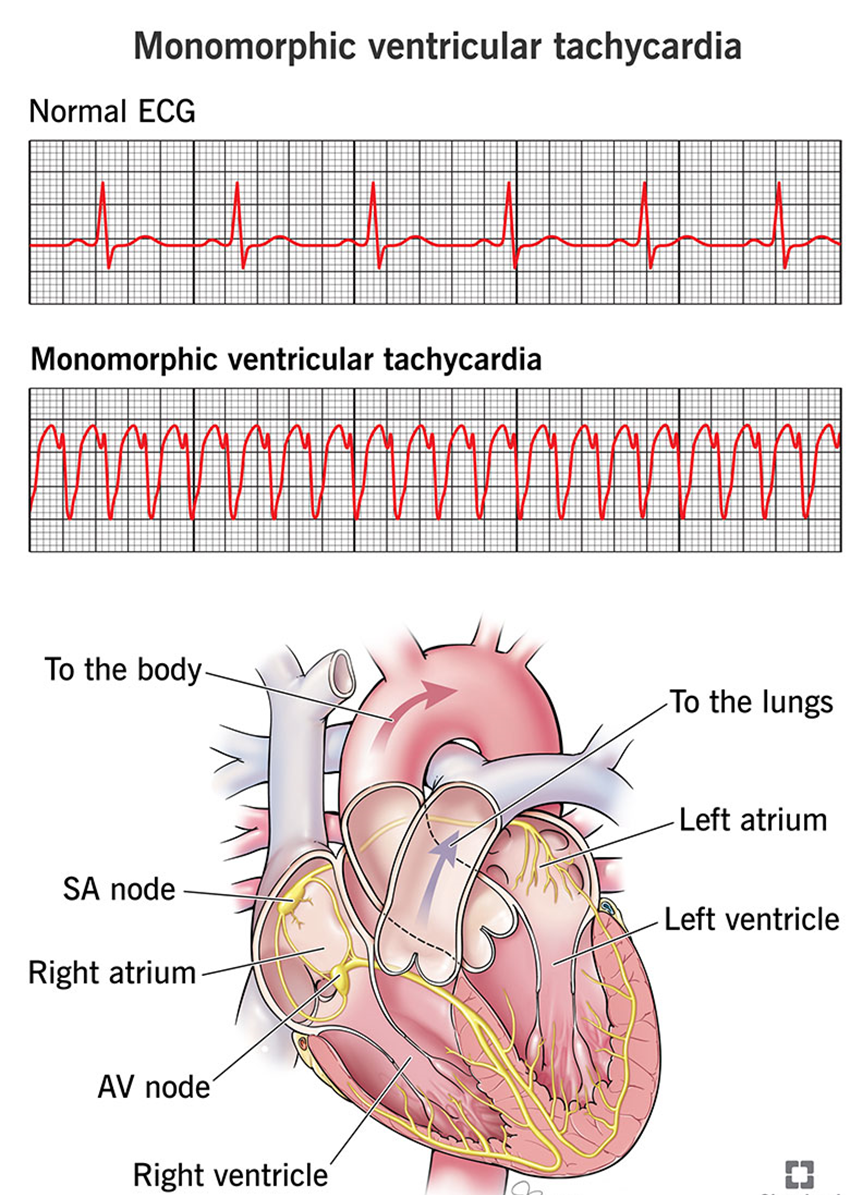
Monitoring the QT interval is crucial when administering amiodarone because this drug can prolong the QT interval, increasing the risk of torsades de pointes, a potentially life-threatening type of ventricular tachycardia. Regular monitoring helps in early detection and management of this adverse effect, ensuring patient safety.
Title: Choice B Reason:
Heart rate monitoring is essential as amiodarone can cause bradycardia (slow heart rate). Continuous monitoring allows the nurse to detect any significant changes in heart rate and take appropriate actions, such as adjusting the medication dosage or providing interventions to manage bradycardia.
Title: Choice C Reason:
Respiratory rate monitoring is necessary because amiodarone can cause pulmonary toxicity, including interstitial pneumonitis and acute respiratory distress syndrome (ARDS). By keeping track of the respiratory rate, the nurse can identify early signs of respiratory complications and intervene promptly
Title: Choice D Reason:
Heart rhythm monitoring is vital since amiodarone is used to treat arrhythmias. Continuous electrocardiogram (ECG) monitoring helps in assessing the effectiveness of the drug in controlling arrhythmias and detecting any new or worsening arrhythmias that may require immediate attention.
Title: Choice E Reason:
Monitoring urine output is important because amiodarone can affect renal function, especially in patients with pre-existing kidney conditions. Keeping track of urine output helps in assessing renal function and ensuring that the drug is not causing nephrotoxicity
Correct Answer is ["E","F","G"]
Explanation
Choice A reason:
Hypertension is not typically associated with myxedema coma. Myxedema coma is characterized by severe hypothyroidism, which usually leads to low blood pressure (hypotension) rather than high blood pressure (hypertension). Therefore, hypertension is not a clinical manifestation that indicates progression to myxedema coma.
Choice B reason:
Restlessness is not a common symptom of myxedema coma. Patients with myxedema coma often present with lethargy, confusion, or even coma due to the severe slowing of metabolic processes. Restlessness is more commonly associated with hyperthyroidism or other conditions that increase metabolic activity.
Choice C reason:
An increased level of alertness is contrary to the symptoms of myxedema coma. Myxedema coma typically presents with decreased mental status, including confusion, stupor, or coma. Therefore, an increased level of alertness would not be indicative of progression to myxedema coma.
Choice D reason:
Tachycardia (rapid heart rate) is not a typical symptom of myxedema coma. Instead, myxedema coma is associated with bradycardia (slow heart rate) due to the severe hypothyroid state. Tachycardia is more commonly seen in hyperthyroid conditions.
Choice E reason:
Hypotension (low blood pressure) is a key clinical manifestation of myxedema coma. The severe hypothyroid state leads to decreased cardiac output and vascular resistance, resulting in hypotension. This is a critical sign that the nurse should recognize as indicative of progression to myxedema coma.
Choice F reason:
Bradycardia (slow heart rate) is another hallmark of myxedema coma. The decreased metabolic rate in severe hypothyroidism leads to a reduced heart rate. Recognizing bradycardia is essential in identifying the progression to myxedema coma.
Choice G reason:
Hypoventilation (reduced breathing rate) is a significant symptom of myxedema coma. The severe hypothyroid state can lead to respiratory depression, resulting in hypoventilation. This can further exacerbate the patient’s condition and requires immediate medical attention.
Choice H reason:
Hyperventilation (increased breathing rate) is not associated with myxedema coma. Patients with myxedema coma typically experience hypoventilation due to the severe slowing of metabolic processes. Hyperventilation would be more indicative of conditions that increase metabolic activity or respiratory drive.
Whether you are a student looking to ace your exams or a practicing nurse seeking to enhance your expertise , our nursing education contents will empower you with the confidence and competence to make a difference in the lives of patients and become a respected leader in the healthcare field.
Visit Naxlex, invest in your future and unlock endless possibilities with our unparalleled nursing education contents today