
Which of the following is characteristic of ulcerative colitis?
A pattern of distinct exacerbations and remissions
An absence of blood in stool
Involvement of the rectal mucosa
Severe diarrhea
The Correct Answer is C
Choice A reason: While ulcerative colitis can have periods of activity and quiet, this "skip" pattern or intermittent nature is more classically associated with Crohn's disease. Ulcerative colitis is characterized by continuous inflammation starting from the rectum and moving proximally up the colon, rather than having healthy tissue between diseased segments.
Choice B reason: Hematochezia (bloody stool) is one of the hallmark symptoms of ulcerative colitis. Because the disease involves continuous ulceration and inflammation of the colonic mucosa, clients almost always present with blood in their diarrhea. An absence of blood would be highly uncharacteristic for this specific diagnosis.
Choice C reason: Ulcerative colitis is a chronic inflammatory disease that primarily and consistently affects the mucosa of the rectum and the large intestine. In almost 95% of cases, the rectum is involved, and the inflammation spreads continuously from there. This is a key diagnostic differentiator from Crohn's disease, which can affect any part of the GI tract.
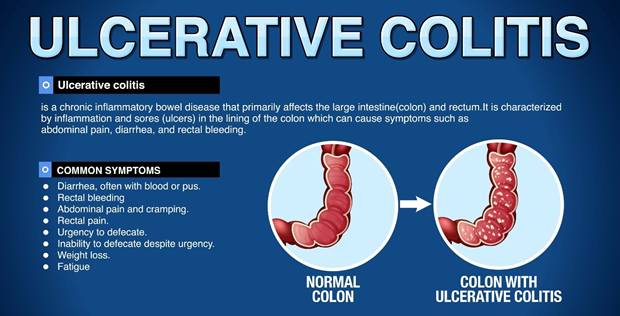
Choice D reason: While severe diarrhea is a symptom of ulcerative colitis, it is not its most defining "characteristic" in a comparative medical context, as many gastrointestinal conditions (including Crohn's disease and infectious enteritis) cause severe diarrhea. The anatomical pattern and the specific mucosal involvement are what define the disease pathologically.
Nursing Test Bank
Naxlex Comprehensive Predictor Exams
Related Questions
Correct Answer is ["C","D"]
Explanation
Choice A reason: Urticaria, commonly known as hives, refers to raised, itchy wheals on the skin often caused by an allergic reaction. While itchy, it is not the standard clinical term for the systemic, metabolic-induced itching associated with the accumulation of uremic toxins in chronic kidney disease patients.
Choice B reason: Atopic dermatitis is a chronic inflammatory skin condition, often hereditary, characterized by eczema flares. It is a primary skin disorder rather than a secondary manifestation of renal failure. Documenting uremic itching as atopic dermatitis would be medically inaccurate in a patient with chronic kidney disease.
Choice C reason: Excoriation refers to skin lesions or abrasions produced by the mechanical action of scratching. Patients with severe uremic pruritus often scratch their skin relentlessly to find relief, leading to visible linear breaks in the skin surface which must be documented by the nurse during a physical assessment.
Choice D reason: Pruritus is the correct medical term for itching. In chronic kidney disease, this is specifically referred to as uremic pruritus. It is caused by the deposition of calcium-phosphate crystals in the skin and the irritation of sensory nerve endings by high levels of serum urea and other nitrogenous wastes.
Choice E reason: Psoriasis is an autoimmune skin disease resulting in the rapid turnover of skin cells, creating silvery scales. It is not caused by renal failure. While a CKD patient could coincidentally have psoriasis, the "severe itching" reported is a direct symptom of their metabolic state, not this specific dermatological disease.
Correct Answer is B
Explanation
Choice A reason: Low-fiber and low-residual foods are typically recommended for patients during acute flares of inflammatory bowel disease to rest the bowel. However, for cancer prevention, these foods are contraindicated because they increase transit time and the duration that potential carcinogens remain in contact with the intestinal lining.
Choice B reason: Cruciferous vegetables like broccoli and cauliflower are high in fiber and contains chemopreventive compounds. High fiber intake increases stool bulk and decreases transit time, which dilutes potential carcinogens and reduces their contact with the colonic mucosa, significantly lowering the long-term risk of developing colorectal adenocarcinoma.
Choice C reason: Diets high in animal fats are strongly associated with an increased risk of colorectal cancer. High fat intake increases the secretion of bile acids into the gut, which can be converted by intestinal bacteria into secondary bile acids that act as promoters of cellular mutation and malignancy.
Choice D reason: While white rice and bread are refined carbohydrates that are easy to digest, they lack the essential fiber necessary for colorectal health. A diet heavy in refined grains is associated with higher glycemic loads and increased cancer risk, whereas whole grains are preferred for their protective fibrous qualities.
Whether you are a student looking to ace your exams or a practicing nurse seeking to enhance your expertise , our nursing education contents will empower you with the confidence and competence to make a difference in the lives of patients and become a respected leader in the healthcare field.
Visit Naxlex, invest in your future and unlock endless possibilities with our unparalleled nursing education contents today