
When performing a focused gastrointestinal system assessment, the practical nurse (PN) asks a male client when his last bowel movement occurred. The client answers, "Three days ago.”. Which action should the PN implement first?
Administer a prescribed PRN stool softener.
Encourage client to ambulate more frequently.
Recommend increasing high fiber foods daily.
Determine the client's usual bowel pattern.
The Correct Answer is D
Determine the client's usual bowel pattern.
Choice A rationale:
Administering a prescribed PRN stool softener may be necessary if the client is experiencing constipation, but it is not the first action the PN should implement. Before administering any medication, the PN should gather more information to make an informed decision.
Choice B rationale:
Encouraging the client to ambulate more frequently can be beneficial for promoting bowel movements, but it is not the first action to implement. The PN should first assess the client's bowel pattern to determine if there is a deviation from their usual routine.
Choice C rationale:
Recommending increasing high fiber foods daily can also help with constipation, but it is not the first action to take. The PN should assess the client's current bowel pattern to better understand the situation.
Choice D rationale:
Determining the client's usual bowel pattern is the first action the PN should take. This assessment will help establish a baseline and identify any deviations that might indicate a potential issue, which can then guide further interventions.
Nursing Test Bank
Naxlex Comprehensive Predictor Exams
Related Questions
Correct Answer is D
Explanation
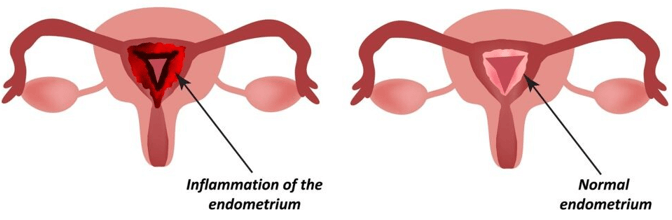
This is the finding that the PN should instruct the postpartum client to report to the charge nurse because it may indicate an infection, such as endometritis, mastitis, or urinary tract infection, that requires prompt treatment.
The PN should also instruct the client to monitor for other signs of infection, such as foul-smelling lochia, redness or tenderness of the breasts, or dysuria.
Correct Answer is D
Explanation
This comment shows empathy, respect, and support for the client, without being intrusive or judgmental. The PN acknowledges the client's feelings and offers companionship, which can help reduce isolation and loneliness.
The other options are not correct because:
A. This comment may be perceived as coercive or dismissive of the client's feelings, as it tries to persuade the client to do something he does not want to do or enjoy.
B. This comment may be perceived as accusatory or interrogatory, as it questions the client's decision or motive for staying in his room.
C. This comment may be perceived as minimizing or invalidating the client's feelings, as it implies that the client should not be sad or that his family is doing enough for him.
Whether you are a student looking to ace your exams or a practicing nurse seeking to enhance your expertise , our nursing education contents will empower you with the confidence and competence to make a difference in the lives of patients and become a respected leader in the healthcare field.
Visit Naxlex, invest in your future and unlock endless possibilities with our unparalleled nursing education contents today