
Play and distraction techniques
- Play is an essential part of childhood that supports the development of physical, cognitive, social, and emotional skills. It is also a way of expressing feelings, coping with stress, and having fun1.
- Distraction is a psychological strategy that involves shifting the child’s attention from a painful or stressful stimulus to a more pleasant or engaging one. It is based on the idea that pain and anxiety are influenced by cognitive and emotional factors2.
- Play and distraction techniques are important in the nursing care of hospitalized children because they can help to reduce pain, anxiety, fear, boredom, and loneliness. They can also promote coping, adaptation, healing, and well-being3.
Types and examples of play and distraction techniques
- Play and distraction techniques can be classified into different types according to their purpose, content, format, or mode. Some of the types and examples are:
- Therapeutic play: play that is designed to help the child cope with a specific health problem or procedure. Examples of therapeutic play are:
- Medical play: play that involves using medical equipment or dolls to simulate a medical procedure or situation. It can help the child to understand, prepare, or rehearse for a procedure or situation.
- Expressive play: play that involves using art, music, drama, or storytelling to express feelings, thoughts, or experiences. It can help the child to communicate, vent, or resolve emotional issues.
- Guided imagery: play that involves using mental images or stories to create a relaxing or pleasant scenario. It can help the child to relax, visualize, or imagine a positive outcome.
- Recreational play: play that is designed to provide fun, enjoyment, or entertainment for the child. Examples of recreational play are:
- Games: play that involves following rules, competing, or cooperating with others. It can help the child to have fun, challenge oneself, or socialize with others.
- Toys: play that involves using objects that are designed for amusement or stimulation. It can help the child to have fun, explore, or learn new skills.
- Books: play that involves reading or listening to stories that are written or told for pleasure or education. It can help the child to have fun, escape reality, or learn new information.
- Developmental play: play that is designed to support the child’s growth and development according to their age and stage. Examples of developmental play are:
- Sensorimotor play: play that involves using sensory and motor skills to interact with the environment. It can help the child to develop physical abilities, coordination, and perception. Examples of sensorimotor play are bubbles, balls, blocks, etc.
- Cognitive play: play that involves using mental skills to solve problems, make decisions, or acquire knowledge. It can help the child to develop intellectual abilities, reasoning, and memory. Examples of cognitive play are puzzles, cards, board games, etc.
- Social play: play that involves using interpersonal skills to relate with others. It can help the child to develop social abilities, communication, and empathy. Examples of social play are role-playing, puppets, dolls, etc.
- Multimodal play: play that involves using more than one type of play or more than one mode of delivery. It can help the child to benefit from multiple aspects of play and distraction techniques. Examples of multimodal play are:
- Video games: play that involves using electronic devices to interact with a virtual world. It can combine elements of therapeutic (e.g., virtual reality), recreational (e.g., action), cognitive (e.g., strategy), and social (e.g., multiplayer) play.
- Music therapy: play that involves using music as a medium for expression, communication, or relaxation. It can combine elements of therapeutic (e.g., songwriting), recreational (e.g., listening), cognitive (e.g., learning), and social (e.g., singing) play.
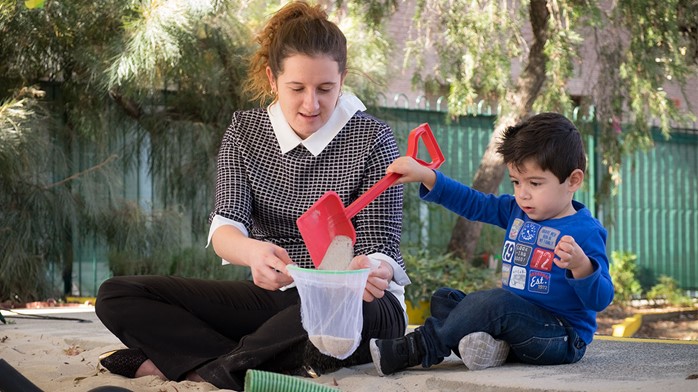
Benefits and outcomes of play and distraction techniques
- Play and distraction techniques can have positive effects on the child’s physical, psychological, and behavioral outcomes. Some of the benefits and outcomes are:
- Reduced pain perception and intensity: play and distraction techniques can decrease the child’s awareness of pain by competing with the pain signals in the brain. They can also reduce the child’s emotional response to pain by enhancing positive emotions and reducing negative emotions.
- Reduced anxiety and fear: play and distraction techniques can lower the child’s stress level by providing a sense of control, security, and comfort. They can also reduce the child’s anticipatory anxiety and fear by diverting attention from the threatening stimulus or situation.
- Increased coping and adaptation: play and distraction techniques can enhance the child’s coping skills by providing opportunities to express feelings, vent frustrations, and resolve conflicts. They can also facilitate the child’s adaptation to the hospital environment by providing familiarity, continuity, and normalcy.
- Improved healing and well-being: play and distraction techniques can promote the child’s healing process by stimulating the immune system, increasing blood flow, and releasing endorphins. They can also improve the child’s well-being by supporting growth, development, learning, and socialization.
Principles and guidelines of play and distraction techniques
- Play and distraction techniques should be based on the following principles and guidelines in the nursing care of hospitalized children:
- Child-centered: play and distraction techniques should be tailored to the child’s preferences, interests, needs, and abilities. They should respect the child’s autonomy, dignity, and rights. They should involve the child in the planning, implementation, and evaluation of play and distraction techniques.
- Developmentally appropriate: play and distraction techniques should match the child’s developmental stage, cognitive level, and emotional maturity. They should support the child’s growth and development. They should use language and materials that are suitable for the child’s age and stage.
- Culturally sensitive: play and distraction techniques should consider the child’s cultural background, beliefs, values, and practices. They should respect the child’s diversity and individuality. They should use culturally relevant and respectful play and distraction techniques.
- Evidence-based: play and distraction techniques should be based on the best available scientific evidence and clinical expertise. They should follow the standards and guidelines of professional organizations and agencies. They should use valid and reliable tools and methods to measure the effectiveness and outcomes of play and distraction techniques.
- Collaborative: play and distraction techniques should involve collaboration with the child, family, health care team, and community. They should foster communication, coordination, and cooperation among all stakeholders. They should seek feedback and input from the child and family. They should refer to other resources or services as needed.
Effectiveness and satisfaction of play and distraction techniques
- The effectiveness and satisfaction of play and distraction techniques can be evaluated by using various tools and methods to measure the physical, psychological, and behavioral outcomes of play and distraction techniques. Some of the tools and methods are:
- Pain scales: tools that measure the child’s pain perception and intensity. Examples of pain scales are:
- Faces pain scale-revised (FPS-R): a tool that uses six faces with different expressions to indicate pain levels from 0 (no pain) to 10 (very much pain). It is suitable for children aged 4 years or older.
- FLACC scale: a tool that uses five categories (face, legs, activity, cry, consolability) to score pain behaviors from 0 (no pain) to 10 (severe pain). It is suitable for children aged 2 months to 7 years or older.
- Numeric rating scale (NRS): a tool that uses a number line from 0 (no pain) to 10 (worst possible pain) to rate pain intensity. It is suitable for children aged 8 years or older.
- Anxiety scales: tools that measure the child’s anxiety level or state. Examples of anxiety scales are:
- State-trait anxiety inventory for children (STAIC): a tool that uses two subscales (state anxiety and trait anxiety) to assess how anxious the child feels at a given moment or in general. It is suitable for children aged 9 to 12 years.
- Children’s fear scale (CFS): a tool that uses a single item with five faces ranging from happy to terrified to indicate fear level from 0 (no fear) to 4 (very much fear). It is suitable for children aged 4 to 16 years.
- Modified Yale preoperative anxiety scale (mYPAS): a tool that uses five domains (activity, vocalizations, emotional expressivity, state of apparent arousal, use of parents) to score preoperative anxiety from 22.5 (no anxiety) to 100 (extreme anxiety). It is suitable for children aged 2 to 12 years.
- Satisfaction surveys: tools that measure the child’s or family’s satisfaction with the care or service provided. Examples of satisfaction surveys are:
- Pediatric quality of life inventory (PedsQL): a tool that uses four subscales (physical functioning, emotional functioning, social functioning, school functioning) to assess health-related quality of life from 0 (poor) to 100 (excellent). It is suitable for children aged 2 to 18 years.
- Child health questionnaire-parent form (CHQ-PF50): a tool that uses 15 subscales (physical functioning, role/social limitations-emotional/behavioral, role/social limitations-physical, bodily pain/discomfort, behavior, mental health, self-esteem, general health perceptions, parental impact-emotional, parental impact-time, family activities, family cohesion, change in health) to assess health status from 0 (poor) to 100 (excellent). It is suitable for parents of children aged 5 to 18 years.
- Client satisfaction questionnaire-8 (CSQ-8): a tool that uses eight items with four-point Likert scales to measure satisfaction with service quality from 8 (low) to 32 (high). It is suitable for adults or adolescents.
- Pain scales: tools that measure the child’s pain perception and intensity. Examples of pain scales are:
Education
- Education is an essential component of play and distraction techniques in the nursing care of hospitalized children. It involves providing information and instructions about play and distraction techniques to the child and family. It also involves encouraging participation and feedback from the child and family. Some of the principles and guidelines of education are:
- Assess the child’s and family’s learning needs, readiness, and preferences. Use developmentally appropriate, culturally sensitive, and evidence-based methods and materials.
- Explain the purpose, benefits, and outcomes of play and distraction techniques. Provide examples of play and distraction techniques that are suitable for the child’s age, stage, and condition.
- Demonstrate how to use play and distraction techniques effectively. Allow the child and family to practice play and distraction techniques under supervision. Provide positive reinforcement and constructive feedback.
- Evaluate the child’s and family’s understanding and satisfaction with play and distraction techniques. Address any questions or concerns. Modify the education plan as needed.
- Document the education process and outcomes. Communicate with other healthcare professionals and agencies as needed.
Nursing Test Bank
Naxlex Comprehensive Predictor Exams
Questions on Play and distraction techniques