
Special Considerations
Cardiac Arrest Algorithms:
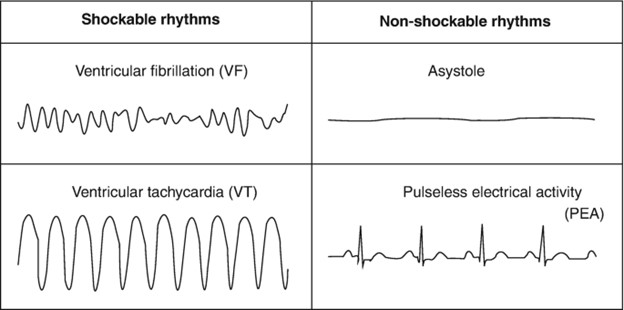
- Shockable Rhythms: Follow specific algorithms for pulseless ventricular tachycardia and ventricular fibrillation, emphasizing prompt defibrillation and high-quality CPR.
- Non-Shockable Rhythms: Implement guidelines for pulseless electrical activity (PEA) and asystole, focusing on reversible causes and appropriate interventions.
Post-Resuscitation Care:
- Therapeutic Hypothermia: Consider therapeutic hypothermia for children who remain comatose after resuscitation from cardiac arrest.
- Neurological Monitoring: Continuously monitor neurological status, including pupillary responses and Glasgow Coma Scale (GCS) scores.
Nursing Test Bank
Test Bank #1: RN Pharmacology Exams
Test Bank #2: RN Medical-Surgical Exams
Test Bank #3: RN Fundamentals Exams
Test Bank #4: RN Maternal-Newborn Exams
Test Bank #5: RN Anatomy and Physiology Exams
Test Bank #6: RN Obstetrics and Pediatrics Exams
Test Bank #7: RN Fluid and Electrolytes Exams
Test Bank #9: RN Adult Health
Test Bank #10: RN Dosage Calculation
Test Bank #11: RN Community Health Exams
Test Bank #12: RN Psychology Exams
Test Bank #13: RN Nursing Care Of Children
Test Bank #14: RN Foundations of Nursing Exams
Naxlex Comprehensive Predictor Exams
Exam #1: RN Comprehensive predictor 2023 proctored exam
Exam #2: Ati rn vati comprehensive predictor proctored exam
Exam #3: Ati Rn Comprehensive Predictor Proctored Exam 2023
Exam #4: Rn Comprehensive Predictor 2023 Proctored Exam - St. Joseph
Exam #5: RN Comprehensive Predictor Proctored Exam (National U CA San Diego)
Exam #6: Ati rn comprehensive predictor 2023 retake proctored exam
Exam #7: RN Hesi Exit Proctored Exam
Exam #8: Hesi RN Exit proctored exam
Exam #9: Hesi rn exit proctored exam
Exam #10: Hesi Rn compass exit B proctored exam
Questions on Special Considerations
Correct Answer is C
Explanation
<p>D. 120-140 compressions per minute is not a standard rate of chest compressions in pediatric advanced life support.</p>
Correct Answer is C
Explanation
<p>D. 2 to 2.5 inches (5 to 6.5 cm) is the recommended compression depth for adult patients during CPR.</p>
Correct Answer is B
Explanation
<p>D. Effective spontaneous breathing does not require an advanced airway device.</p>
Correct Answer is B
Explanation
<p> C. 0.5 mg/kg and D. 1 mg/kg are not appropriate doses for pediatric cardiac arrest situations.</p>
Correct Answer is A
Explanation
<p> C. Neck extension and D. Hyperextension of the head are not appropriate maneuvers for pediatric airway management.<br />
</p>