
Specimen Collection
1. Blood Collection
Venipuncture
- Choose an appropriate site (often the antecubital fossa) and select the correct needle size based on the child's age and size.
- Apply a topical anesthetic or use a numbing cream to reduce pain.
- Ensure the child is calm and in a comfortable position.
- Use distraction techniques (e.g., toys, videos) to divert their attention.
- Have a comfort item or a favorite toy nearby for reassurance.
- Ensure a skilled and experienced phlebotomist performs the procedure.
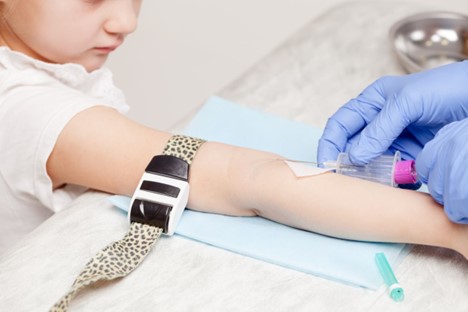
Heel Stick (for infants)
- Clean the heel with an alcohol swab and allow it to dry.
- Warm the heel to increase blood flow (optional).
- Use a lancet to puncture the side of the heel.
- Collect the necessary amount of blood onto a filter paper or a microcollection tube.
- Apply gentle pressure to the puncture site to stop bleeding.
2. Urine Collection
Clean-Catch Method
- Clean the genital area thoroughly with wipes or soap and water.
- Provide a sterile urine collection cup.
- Instruct the child to start urinating into the toilet and then collect the midstream portion in the cup.
- Ensure proper labeling and timely transport of the specimen to the laboratory.
Bagged Urine Collection (for infants and toddlers)
- Apply a sterile adhesive bag over the genital area.
- Monitor the child for signs of urination.
- Once urine is collected, carefully remove the bag and transfer the urine to a sterile container.
3. Stool Collection
Clean Technique
- Provide a clean, dry bedpan or diaper liner.
- Instruct the caregiver to collect a small portion of the stool using a clean spoon or a designated collection device.
- Ensure proper labeling and transfer of the specimen to a sterile container.
4. Throat Swab (for bacterial cultures):
- Use a sterile swab to gently rub the tonsils and the back of the throat.
- Be careful to avoid causing discomfort or triggering a gag reflex.
- Ensure the swab reaches areas likely to harbor pathogens.
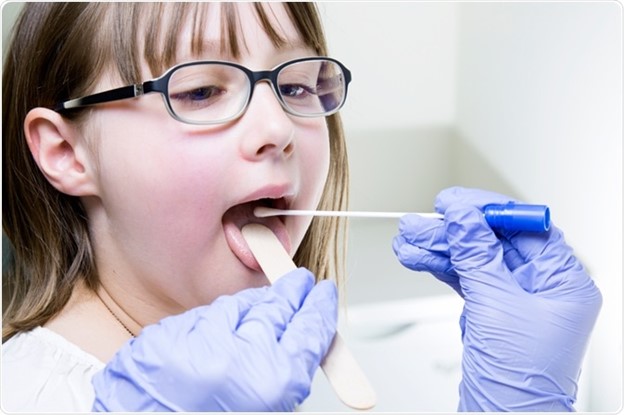
5. Nasopharyngeal Swab (for respiratory viruses)
- Insert a flexible swab through the nostril until it reaches the posterior nasopharynx.
- Gently rotate the swab to collect a sample.
- Ensure the swab does not touch the tongue or the palate.
Nursing Test Bank
Test Bank #1: RN Pharmacology Exams
Test Bank #2: RN Medical-Surgical Exams
Test Bank #3: RN Fundamentals Exams
Test Bank #4: RN Maternal-Newborn Exams
Test Bank #5: RN Anatomy and Physiology Exams
Test Bank #6: RN Obstetrics and Pediatrics Exams
Test Bank #7: RN Fluid and Electrolytes Exams
Test Bank #9: RN Adult Health
Test Bank #10: RN Dosage Calculation
Test Bank #11: RN Community Health Exams
Test Bank #12: RN Psychology Exams
Test Bank #13: RN Nursing Care Of Children
Test Bank #14: RN Foundations of Nursing Exams
Naxlex Comprehensive Predictor Exams
Exam #1: RN Comprehensive predictor 2023 proctored exam
Exam #2: Ati rn vati comprehensive predictor proctored exam
Exam #3: Ati Rn Comprehensive Predictor Proctored Exam 2023
Exam #4: Rn Comprehensive Predictor 2023 Proctored Exam - St. Joseph
Exam #5: RN Comprehensive Predictor Proctored Exam (National U CA San Diego)
Exam #6: Ati rn comprehensive predictor 2023 retake proctored exam
Exam #7: RN Hesi Exit Proctored Exam
Exam #8: Hesi RN Exit proctored exam
Exam #9: Hesi rn exit proctored exam
Exam #10: Hesi Rn compass exit B proctored exam
Questions on Specimen Collection
Correct Answer is B
Explanation
Incorrect. While offering a different form of medication may be an option, it should be done under the guidance of the provider and may not always be necessary.
Correct Answer is C
Explanation
<p>Incorrect. Administering ear drops while the child is sitting upright may not allow the drops to reach the ear canal effectively.</p>
Correct Answer is C
Explanation
Incorrect. Administering the medication as prescribed by the provider is an important step, but first, it is essential to ensure the medication is intended for the correct patient.
Correct Answer is A
Explanation
Incorrect. Administering medication intravenously is an invasive method and would only be appropriate if indicated for the specific medication and condition, not for general administration difficulties.