
A 26-year-old male patient who is sexually active presents at the clinic with discharge from the penis. The patient is also uncomfortable when he walks. A penile swab detects chlamydia infection. The patient is treated with an antibiotic, and bed rest is recommended.
Which condition is described?
Epididymitis
Urethritis
Testicular cancer
Prostatitis
The Correct Answer is A
A. Epididymitis: This is inflammation of the coiled tube (epididymis) at the back of the testicle. It is frequently caused by STIs like Chlamydia. The pain is often so severe that it affects the patient's gait (uncomfortable when walking).
B. Urethritis: While Chlamydia causes urethritis (inflammation of the urethra), the specific mention of difficulty walking usually points to the more severe, localized scrotal pain of epididymitis.
C. Testicular cancer: This usually presents as a painless lump and is not caused by a Chlamydia infection.
D. Prostatitis: Inflammation of the prostate, which causes pelvic pain and urinary issues, but is less commonly associated with the specific "uncomfortable walking" gait caused by scrotal inflammation.
Nursing Test Bank
Naxlex Comprehensive Predictor Exams
Related Questions
Correct Answer is A
Explanation
A. Atherosclerosis. This is the specific term for the buildup of "atheromas" or plaques (made of fat, cholesterol, and calcium) within the arterial walls.
B. Pulmonary hypertension. This is high blood pressure in the lung arteries; it is a hemodynamic state, not a description of plaque buildup.
C. Thrombophlebitis. This is inflammation of a vein caused by a blood clot, usually in the legs.
D. Lymphedema. This is swelling caused by an accumulation of lymph fluid in soft tissues, usually due to a blockage in the lymphatic system.
Correct Answer is D
Explanation
A. Diabetic retinopathy: This is caused by damage to the blood vessels of the light-sensitive tissue at the back of the eye (retina) due to high blood sugar.
B. Age-related macular degeneration: This involves the breakdown of the macula (the center of the retina), leading to loss of central vision, not pressure-related nerve damage.
C. Cataracts: This is the clouding of the lens of the eye, which obstructs light but does not involve IOP or optic nerve pressure.
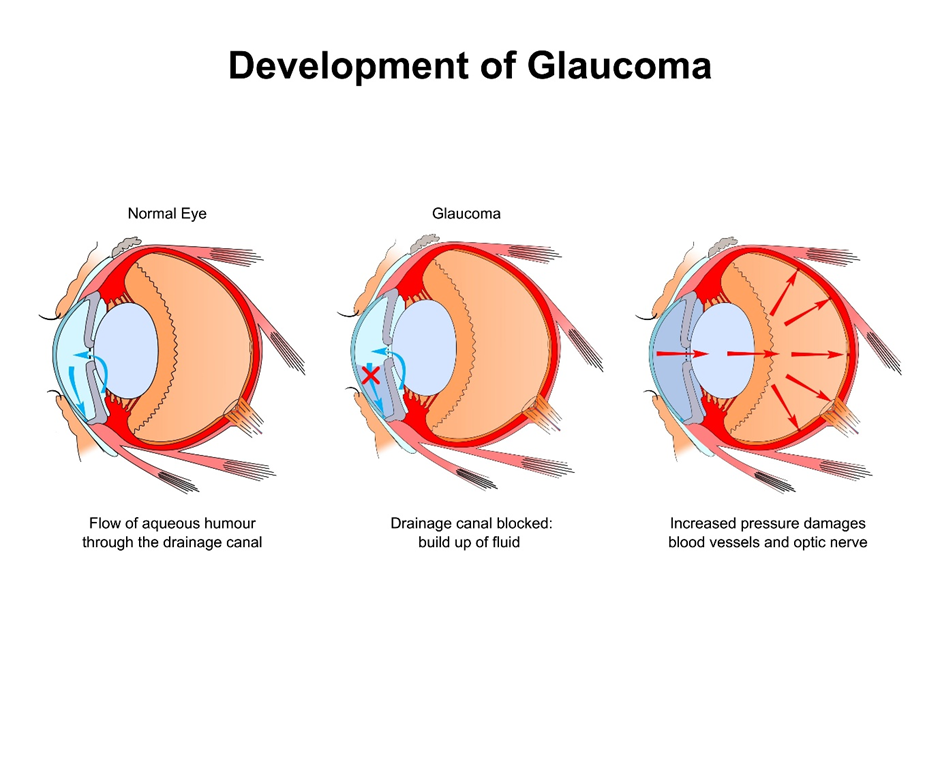
D. Glaucoma: Glaucoma is specifically defined by increased intraocular pressure that damages the optic nerve, leading to progressive vision loss.
Whether you are a student looking to ace your exams or a practicing nurse seeking to enhance your expertise , our nursing education contents will empower you with the confidence and competence to make a difference in the lives of patients and become a respected leader in the healthcare field.
Visit Naxlex, invest in your future and unlock endless possibilities with our unparalleled nursing education contents today