
A child has had a cast placed on his left arm following a diagnosed fracture. Which actions should the nurse take? (Select all that apply)
Smooth the rough edges of the cast to maintain skin integrity
Wear sterile gloves when touching or removing the cast
Monitor capillary refill and color of nail beds of the left-hand
Monitor for signs of pain
Assess for numbness, tingling, or decreased sensation of the left hand.
Correct Answer : A,C,D,E
Choice A rationale
Smoothing the rough edges of the cast can help maintain skin integrity and prevent skin irritation or injury.
Choice C rationale
Monitoring capillary refill and color of nail beds of the left hand is important to assess the circulation to the hand and ensure that the cast is not too tight.
Choice D rationale
Monitoring for signs of pain can help detect complications such as compartment syndrome, which is a serious condition that can occur if pressure within the muscles builds to dangerous levels.
Choice E rationale
Assessing for numbness, tingling, or decreased sensation of the left hand is important as these can be signs of nerve damage or compression.
Choice B rationale
Wearing sterile gloves when touching or removing the cast is not typically necessary. The outside of a cast is not a sterile environment, and healthcare providers do not usually wear sterile gloves when handling it.
Nursing Test Bank
Naxlex Comprehensive Predictor Exams
Related Questions
Correct Answer is B
Explanation
Choice A rationale
Gastroesophageal Reflux Disease (GERD) in infants is a condition where the stomach contents flow back into the esophagus causing discomfort. However, the symptoms described, such as projectile vomiting and constant hunger, are more consistent with Pyloric Stenosis.
Choice B rationale
Pyloric Stenosis is a condition in infants where the opening from the stomach to the small intestine narrows, preventing food from entering the small intestine. The symptoms described by the parents, such as projectile vomiting after every feeding and constant hunger, align with this condition. The infant’s lack of weight gain could be due to the fact that food is not being properly digested and absorbed. The nurse should refer the infant for a surgical consultation as the treatment for Pyloric Stenosis is usually surgical. The nurse should monitor the infant’s weight and frequency of vomiting to assess the infant’s progress.
Choice C rationale
Lactose Intolerance in infants is a condition where the infant has difficulty digesting lactose, a sugar found in milk and dairy products. Symptoms can include gas, bloating, and diarrhea.
However, the symptoms described by the parents do not align with this condition.
Choice D rationale
Milk Protein Allergy in infants is a condition where the infant’s immune system reacts negatively to the proteins in cow’s milk. Symptoms can include hives, itching, wheezing, difficulty breathing, constipation, and bloody diarrhea. However, the symptoms described by the parents do not align with this condition.
Correct Answer is B
Explanation
Choice A rationale
Jaundice, a yellowing of the skin and eyes, is not typically a symptom of Wilms’ tumor. It is more commonly associated with conditions that cause liver dysfunction.
Choice B rationale
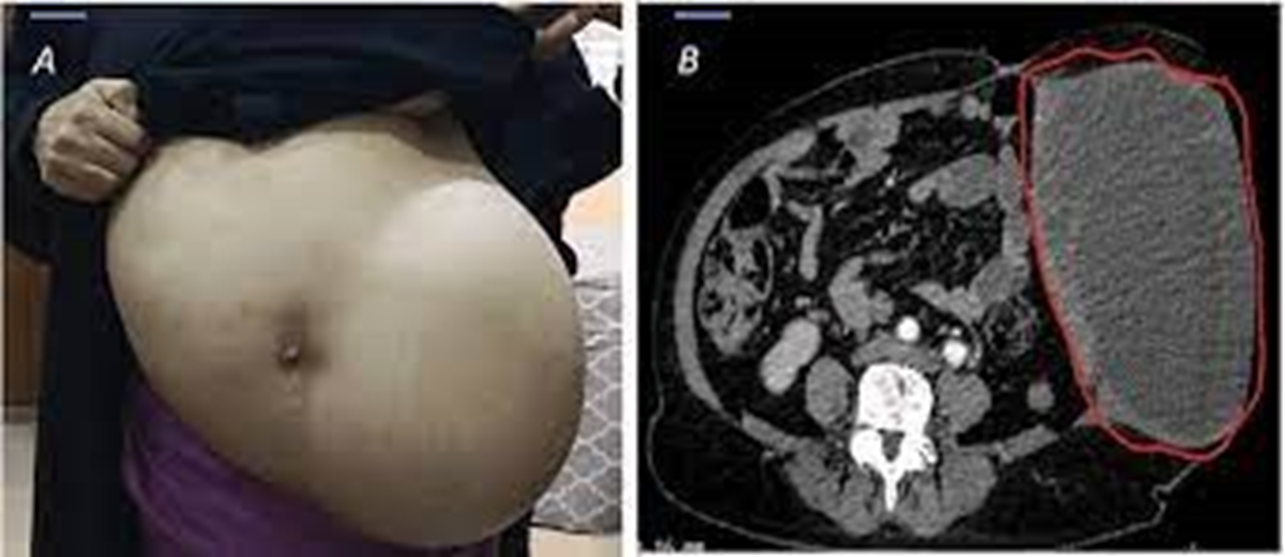
An abdominal mass is one of the most common symptoms of Wilms’ tumor. Parents or healthcare providers may feel a lump or swelling in the child’s abdomen.
Choice C rationale
Swollen joints are not a typical symptom of Wilms’ tumor. They are more commonly associated with conditions that affect the joints, such as juvenile arthritis.
Choice D rationale
Diarrhea is not a typical symptom of Wilms’ tumor. It is more commonly a symptom of gastrointestinal illnesses.
Whether you are a student looking to ace your exams or a practicing nurse seeking to enhance your expertise , our nursing education contents will empower you with the confidence and competence to make a difference in the lives of patients and become a respected leader in the healthcare field.
Visit Naxlex, invest in your future and unlock endless possibilities with our unparalleled nursing education contents today