
A client has a serum potassium level of 6.5 mEq/L (6.5 mmol/L), a serum creatinine level of 2 mg/dL (176 mcmol/L), and a urine output of 350 mL/day. What is the priority action by the nurse?
Continue to monitor the client's intake and output.
Teach the client to limit high-potassium foods.
Ask to have the laboratory redraw the blood specimen.
Place the client on a cardiac monitor immediately.
The Correct Answer is D
Choice A reason: Monitoring intake and output is a necessary part of caring for a client with renal impairment and oliguria (defined as less than 400 mL/day). However, this is a passive observation. It does nothing to address the immediate, life-threatening risk posed by a potassium level of 6.5 mEq/L, which can cause sudden cardiac arrest.
Choice B reason: Dietary teaching is an important long-term intervention for managing chronic hyperkalemia and renal insufficiency. However, in an acute situation where the potassium is dangerously elevated (6.5 mEq/L is considered severe hyperkalemia), education is not an appropriate priority. The patient requires immediate medical intervention to shift or remove potassium from the blood.
Choice C reason: Redrawing the lab might be considered if hemolyzed blood was suspected, but with a creatinine of 2 mg/dL and low urine output, the potassium level is highly plausible. Delaying treatment to verify a result when the patient is in a high-risk category for renal-induced hyperkalemia is unsafe and delays life-saving care.
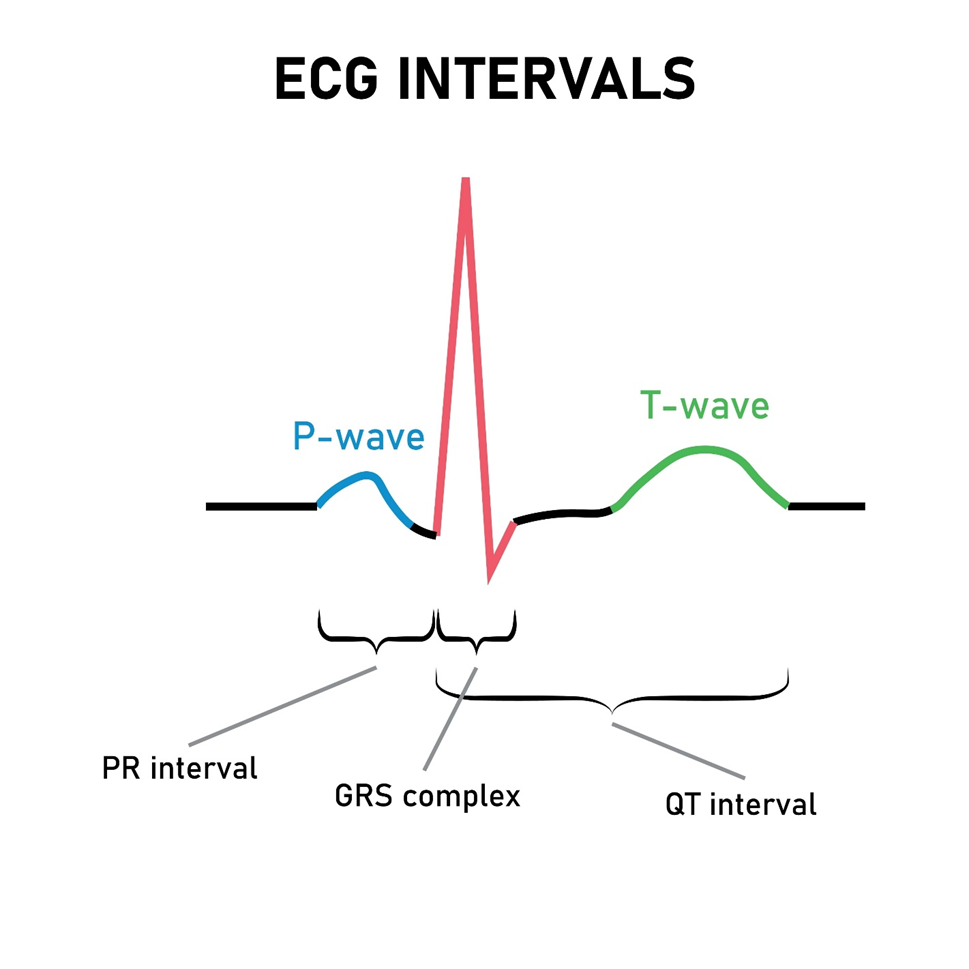
Choice D reason: Hyperkalemia directly affects the electrical conduction of the heart, potentially leading to peaked T-waves, widened QRS complexes, and ventricular fibrillation. The nurse’s priority is to monitor the cardiac rhythm to detect these lethal changes instantly while preparing for emergency treatments like calcium gluconate, insulin with dextrose, or dialysis.
Nursing Test Bank
Naxlex Comprehensive Predictor Exams
Related Questions
Correct Answer is D
Explanation
Choice A reason: A poor appetite (anorexia) is a common symptom in patients with renal failure due to the buildup of metabolic waste products (uremia). While this requires nutritional intervention and monitoring over time, it is not an acute emergency that requires an "urgent" contact with the healthcare provider.
Choice B reason: A weight decrease of 3 lb in a patient with AKI is often a positive sign, particularly if the patient was previously in the oliguric phase with fluid retention. It likely indicates the diuretic phase of recovery, though the nurse should monitor for dehydration and electrolyte shifts associated with this weight loss.
Choice C reason: A white blood cell count of 8200/mm3 falls within the normal reference range (5000 to 10000/mm3). This suggests that the patient does not currently have a systemic infection, which is a common complication of AKI. Since this is a normal finding, no urgent action is required.
Choice D reason: A serum potassium level of 2.6 mEq/L indicates severe hypokalemia (normal: 3.5 to 5.0 mEq/L). In AKI, this can occur during the diuretic phase as the kidneys lose the ability to concentrate urine. Severe hypokalemia can lead to life-threatening cardiac arrhythmias and requires immediate replacement therapy and cardiac monitoring.
Correct Answer is D
Explanation
Choice A reason: Glomerulonephritis is an intrarenal (intrinsic) cause of acute kidney injury. It involves inflammation and damage to the glomerular capillaries themselves, often following a streptococcal infection or due to autoimmune diseases. Because the damage is located within the functional tissue of the kidney, it is not classified as prerenal.
Choice B reason: Pregnancy itself is not a direct cause of AKI, though complications like preeclampsia can lead to renal issues. Preeclampsia usually involves intrarenal damage due to vasospasm and endothelial injury. Pregnancy-related obstructions would be considered postrenal. It does not represent a classic prerenal mechanism of systemic hypoperfusion.
Choice C reason: Ureterolithiasis (kidney stones in the ureter) is a postrenal cause of acute kidney injury. It creates a mechanical obstruction that prevents the flow of urine out of the kidney. This leads to hydronephrosis and increased pressure that stops filtration, but the initial problem occurs after the kidney, not before it.
Choice D reason: Burns are a classic cause of prerenal AKI. Major burns lead to massive fluid loss, systemic inflammatory response, and third-spacing of fluids, resulting in severe hypovolemia. This decrease in circulating blood volume leads to renal hypoperfusion and a drop in the glomerular filtration rate before any structural damage occurs to the kidneys.
Whether you are a student looking to ace your exams or a practicing nurse seeking to enhance your expertise , our nursing education contents will empower you with the confidence and competence to make a difference in the lives of patients and become a respected leader in the healthcare field.
Visit Naxlex, invest in your future and unlock endless possibilities with our unparalleled nursing education contents today