
A client with Cushing's syndrome is receiving education about dietary changes from the nurse. Which statement by the patient demonstrates the need for further teaching?
"I can eat a salad with oil and vinegar dressing"
"I can cook soup using canned vegetables"
"I can eat dried fruit for breakfast with my oatmeal"
"I can eat baked chicken with green beans for dinner"
The Correct Answer is C
A. "I can eat a salad with oil and vinegar dressing":
Explanation: This statement is correct. A salad with oil and vinegar dressing is a healthy option, and the patient does not need to avoid this.
B. "I can cook soup using canned vegetables":
Explanation: This statement is generally acceptable. However, the patient should be aware of the sodium content in canned vegetables and choose low-sodium options to manage fluid retention, which can be a concern in Cushing's syndrome.
C. "I can eat dried fruit for breakfast with my oatmeal":
Explanation: This statement is questionable. Dried fruits may have higher sugar content and can contribute to an increase in calorie intake. In Cushing's syndrome, where there may be weight gain, it's advisable to choose fresh fruits over dried ones.
D. "I can eat baked chicken with green beans for dinner":
Explanation: This statement is correct. Baked chicken with green beans is a healthy and balanced option.
Nursing Test Bank
Naxlex Comprehensive Predictor Exams
Related Questions
Correct Answer is C
Explanation
A. Vitamin A Deficiency:
Symptoms: Enlarged tongue and smooth, beefy red appearance.
Relevance: Vitamin A deficiency is not typically associated with an enlarged tongue. It is more commonly linked to night blindness and skin issues.
B. Folic Acid Deficiency:
Symptoms: Enlarged tongue and smooth, beefy red appearance.
Relevance: Folic acid deficiency can lead to megaloblastic anemia and glossitis (inflammation of the tongue), which may present as an enlarged, smooth, and red tongue.
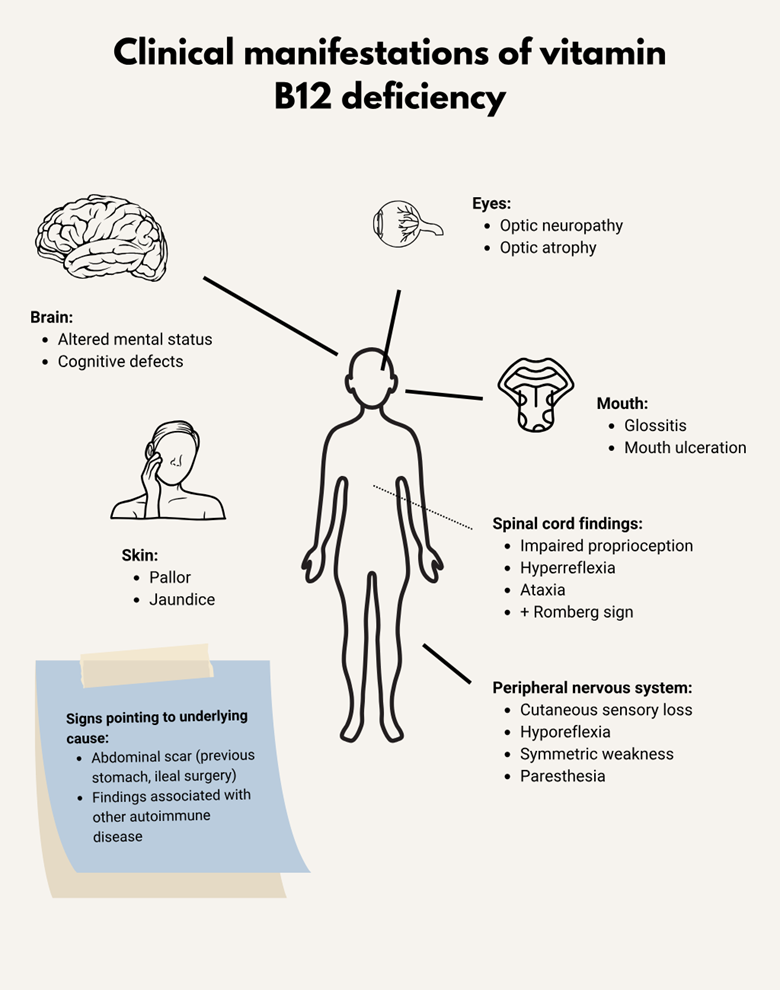
C. Vitamin B12 Deficiency:
Symptoms: Enlarged tongue and smooth, beefy red appearance.
Relevance: Vitamin B12 deficiency can cause pernicious anemia and glossitis, resulting in an enlarged, smooth, and red tongue.
D. Vitamin C Deficiency:
Symptoms: Not typically associated with an enlarged tongue.
Relevance: Vitamin C deficiency is more commonly associated with symptoms like scurvy, which includes bleeding gums, joint pain, and skin issues, but not specifically an enlarged tongue.
Correct Answer is ["B","C","E"]
Explanation
A. Buffalo hump:
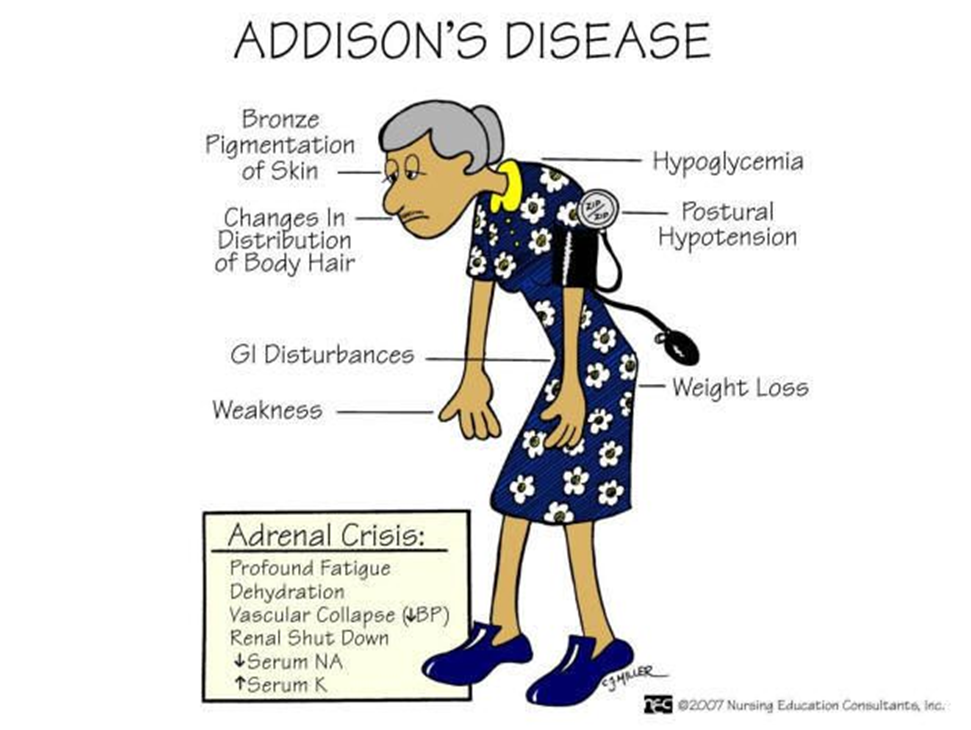
Explanation: A buffalo hump is associated with excess cortisol, which is not a typical manifestation of Addison's disease. Instead, patients with Addison's disease may experience weight loss and muscle wasting.
B. Hyponatremia:
Explanation: Correct. Hyponatremia (low sodium levels) can occur in Addison's disease due to the loss of aldosterone, which plays a role in sodium and water balance.
C. Decreased glucose level:
Explanation: Correct. Addison's disease can lead to hypoglycemia (low blood glucose levels) because cortisol, which is important for maintaining blood glucose, is deficient.
D. Weight gain:
Explanation: Weight gain is not a typical manifestation of Addison's disease. Instead, weight loss and muscle wasting may occur.
E. Craving for salt:
Explanation: Correct. Addison's disease can lead to salt craving, as aldosterone deficiency results in increased sodium loss and potassium retention.
Whether you are a student looking to ace your exams or a practicing nurse seeking to enhance your expertise , our nursing education contents will empower you with the confidence and competence to make a difference in the lives of patients and become a respected leader in the healthcare field.
Visit Naxlex, invest in your future and unlock endless possibilities with our unparalleled nursing education contents today