
A patient has the following blood gases: PaCO2 33, pH 7.50, HCO3 23. Which of the following could NOT be the cause of this condition?
Aspirin toxicity
Fever
Anxiety attack
Chronic obstructive pulmonary disease (COPD)
The Correct Answer is D
A. Aspirin Toxicity:
Effect on Blood Gases: Aspirin toxicity can cause respiratory alkalosis due to increased respiratory rate (hyperventilation), leading to a decreased PaCO2 and increased pH.
Relation to Given Blood Gases: It could potentially cause the observed blood gas values (low PaCO2 and high pH), making it a possible cause.
B. Fever:
Effect on Blood Gases: Fever might cause hyperventilation, resulting in respiratory alkalosis with decreased PaCO2 and increased pH.
Relation to Given Blood Gases: It could potentially cause the observed blood gas values.
C. Anxiety Attack:
Effect on Blood Gases: Anxiety attacks can lead to hyperventilation and subsequent respiratory alkalosis with low PaCO2 and high pH.
Relation to Given Blood Gases: It could potentially cause the observed blood gas values.
D. Chronic Obstructive Pulmonary Disease (COPD):
Effect on Blood Gases: COPD typically causes respiratory acidosis due to impaired gas exchange, resulting in elevated PaCO2 and decreased pH.
Relation to Given Blood Gases: COPD wouldn't typically cause the observed blood gas values of low PaCO2 and high pH.
Nursing Test Bank
Naxlex Comprehensive Predictor Exams
Related Questions
Correct Answer is B
Explanation
A. Leukemia:
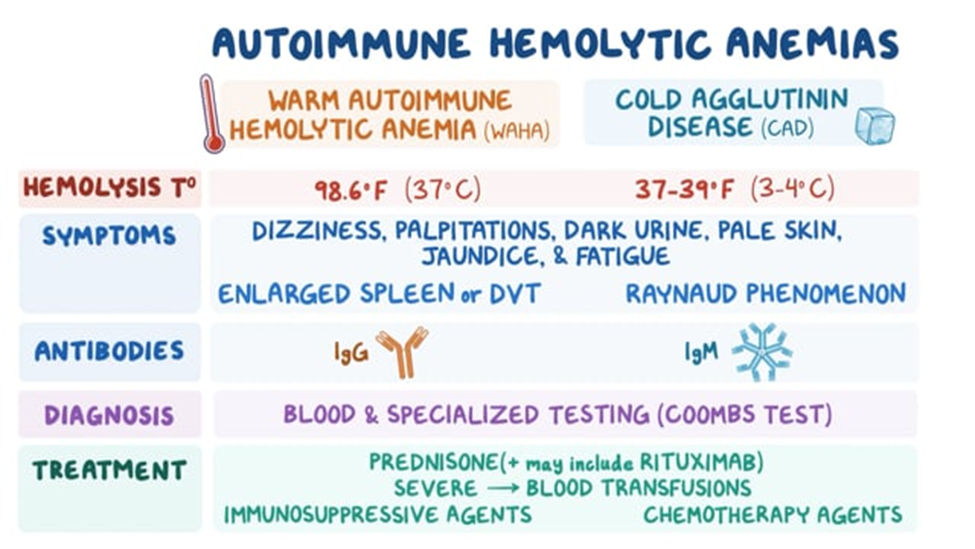
Explanation: Leukemia is a cancer of the blood-forming tissues, including the bone marrow and lymphatic system. It typically presents with an abnormal increase in white blood cells. While fatigue can be a symptom, increased bilirubin concentration and an increased reticulocyte count are not typical findings in leukemia.
B. Hemolytic Anemia:
Explanation: Hemolytic anemia is characterized by the premature destruction of red blood cells, leading to an increased release of bilirubin (from the breakdown of hemoglobin) and an increased reticulocyte count (as the body attempts to compensate by producing more red blood cells). This is a likely possibility given the presented symptoms.
C. Hypoproliferative Anemia:
Explanation: Hypoproliferative anemia is characterized by a decreased production of red blood cells. It is unlikely in this scenario, as an increased reticulocyte count suggests an attempt by the bone marrow to increase red blood cell production.
D. Thrombocytopenia:
Explanation: Thrombocytopenia is a condition characterized by a low platelet count. It does not typically present with an increased bilirubin concentration or an increased reticulocyte count.
Correct Answer is C
Explanation
A. "The parathyroid has no effect on calcium levels in the body; this will just help prevent osteoporosis":
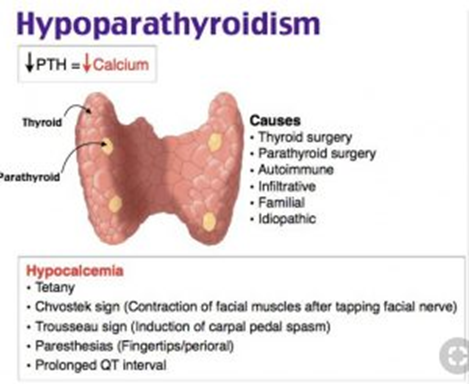
Explanation: This statement is incorrect. The parathyroid gland plays a crucial role in calcium homeostasis. Hypoparathyroidism, characterized by decreased parathyroid hormone (PTH) production, leads to low blood calcium levels, not high levels.
B. "The reason you have hypoparathyroidism is that you were diagnosed with hypothyroidism, and when the thyroid doesn't work, neither does the parathyroid, so you need these supplements."
Explanation: This statement is incorrect. The parathyroid and thyroid are separate glands with distinct functions. Hypoparathyroidism is not a result of hypothyroidism.
C. "A decrease in parathyroid hormone causes low calcium levels, so your body to break down bones to maintain normal calcium levels, and this will prevent that from happening."
Explanation: This is the correct statement. Hypoparathyroidism leads to a decrease in PTH, resulting in low blood calcium levels. Without sufficient PTH, the body may resort to breaking down bones to maintain calcium levels.
D. "An increase in parathyroid hormone causes your body to move calcium into the cells to reduce blood calcium levels, so you have to replace the levels in the blood."
Explanation: This statement is incorrect. An increase in parathyroid hormone (PTH) typically leads to increased blood calcium levels by promoting the release of calcium from bones and reducing calcium excretion by the kidneys. This describes hyperparathyroidism, not hypoparathyroidism.
Whether you are a student looking to ace your exams or a practicing nurse seeking to enhance your expertise , our nursing education contents will empower you with the confidence and competence to make a difference in the lives of patients and become a respected leader in the healthcare field.
Visit Naxlex, invest in your future and unlock endless possibilities with our unparalleled nursing education contents today