
A male client attends a community support program for mentally impaired and chemical-abusing clients. The client tells the practical nurse (PN) that his drugs of choice are cocaine and heroin. What is the greatest health risk for this client?
Diabetes.
Glaucoma.
Hypertension.
Hepatitis.
The Correct Answer is D
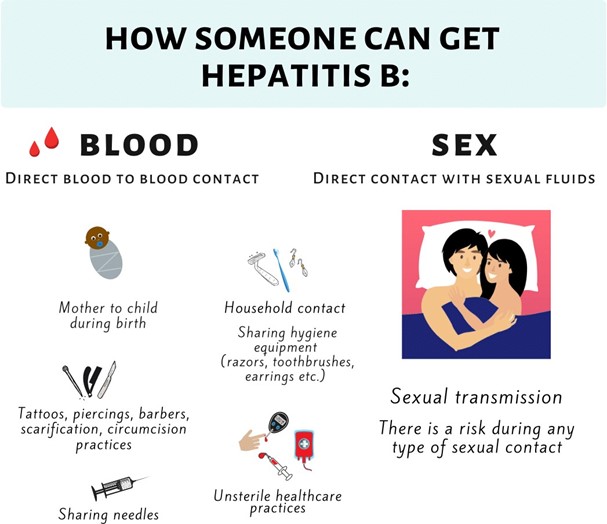
While the use of cocaine and heroin can pose various health risks, including cardiovascular complications, respiratory problems, and infectious diseases, Hepatitis is particularly associated with injection drug use, such as heroin. Hepatitis is an inflammation of the liver that can be caused by viral infections, including Hepatitis B and C. Sharing contaminated needles or other drug paraphernalia increases the risk of contracting Hepatitis. These viral infections can lead to chronic liver disease, liver cirrhosis, and even liver cancer if left untreated. Therefore, among the options provided, Hepatitis is the greatest health risk for this client due to the mode of drug administration and associated risks of viral transmission.
A, B, and C- It's important to note that while diabetes, glaucoma, and hypertension are all significant health conditions, they are not directly associated with the use of cocaine and heroin as drugs of choice. However, individuals who engage in substance abuse may still be at risk for developing or exacerbating other health conditions due to the overall impact on their physical and mental well-being.
Nursing Test Bank
Naxlex Comprehensive Predictor Exams
Related Questions
Correct Answer is ["A","D"]
Explanation
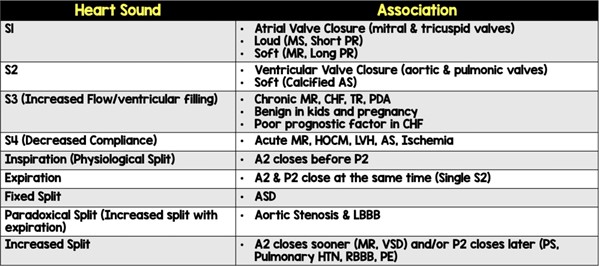
S3 is an extra heart sound that occurs during diastole (the filling phase of the cardiac cycle). It is commonly associated with conditions such as heart failure and volume overload. S3 is often described as a low-frequency, dull, and distant sound heard after S2 (the second heart sound).
B, C- S1, and S2 are the normal heart sounds that are typically heard in all individuals. S1 is the first heart sound, heard as "lub," and is caused by the closure of the mitral and tricuspid valves. S2 is the second heart sound, heard as "dub," and is caused by the closure of the aortic and pulmonic valves. These sounds are normal and expected.
S4 is another abnormal heart sound, which occurs during late diastole and is associated with conditions such as ventricular hypertrophy and reduced ventricular compliance.
Correct Answer is C
Explanation
This is the action that the PN should take if they believe that a prescription for a child is incorrect because the dosage prescribed is the usual adult dosage. Calling the healthcare provider and clarifying the prescription is the safest and most effective way to prevent medication errors and ensure the child's safety. The PN should not administer the medication until they are sure that it is correct and appropriate for the child.
Whether you are a student looking to ace your exams or a practicing nurse seeking to enhance your expertise , our nursing education contents will empower you with the confidence and competence to make a difference in the lives of patients and become a respected leader in the healthcare field.
Visit Naxlex, invest in your future and unlock endless possibilities with our unparalleled nursing education contents today