
A nurse analyzes a rhythm strip for a patient who has had a myocardial infarction and observes the following: no visible P waves, PR interval not measurable, ventricular rate of 162, R-R interval regular, QRS complex wide and distorted, and QRS duration of 0.18 second.
How should the nurse interpret this cardiac rhythm?
Sinus tachycardia.
Ventricular tachycardia.
Ventricular fibrillation.
Atrial flutter.
The Correct Answer is B
Choice A rationale
Sinus tachycardia is a regular, rapid heart rate caused by rapid firing of the sinoatrial node. It is characterized by a heart rate of greater than 100 beats per minute, and P waves are present before each QRS complex. This does not match the description given.
Choice B rationale
Ventricular tachycardia is a fast, regular beating of the ventricles that may last for only a few seconds or for much longer. In this condition, the ventricular rate is often between 120 and 200 beats per minute, and P waves are not associated with the QRS complexes. This matches the description given.
Choice C rationale
Ventricular fibrillation is a severe condition in which the heart beats with rapid, erratic electrical impulses. This causes the ventricles to quiver uselessly instead of pumping blood. The description does not match this condition.
Choice D rationale
Atrial flutter is a condition that shares similarities with atrial fibrillation, both involve an irregular heartbeat. However, atrial flutter is more organized and less chaotic than atrial fibrillation, which can make it more manageable. The description does not match this condition.
Nursing Test Bank
Naxlex Comprehensive Predictor Exams
Related Questions
Correct Answer is B
Explanation
Choice A rationale
Cracked lips are a symptom of Kawasaki disease, but they are more commonly associated with the subacute phase of the disease, not the acute phase.
Choice B rationale
Conjunctival hyperemia, or redness of the whites of the eyes, is a common symptom in the acute phase of Kawasaki disease. It typically presents as bilateral, non-exudative conjunctival injection, primarily in the bulbar conjunctivae.
Choice C rationale
A normal appearance is not typically seen in the acute phase of Kawasaki disease, which is characterized by a high fever and at least four of the five main symptoms, including conjunctival hyperemia.
Choice D rationale
Desquamation of the skin, or peeling, is a symptom of Kawasaki disease, but it typically occurs in the subacute phase, not the acute phase.
Correct Answer is C
Explanation
Choice A rationale
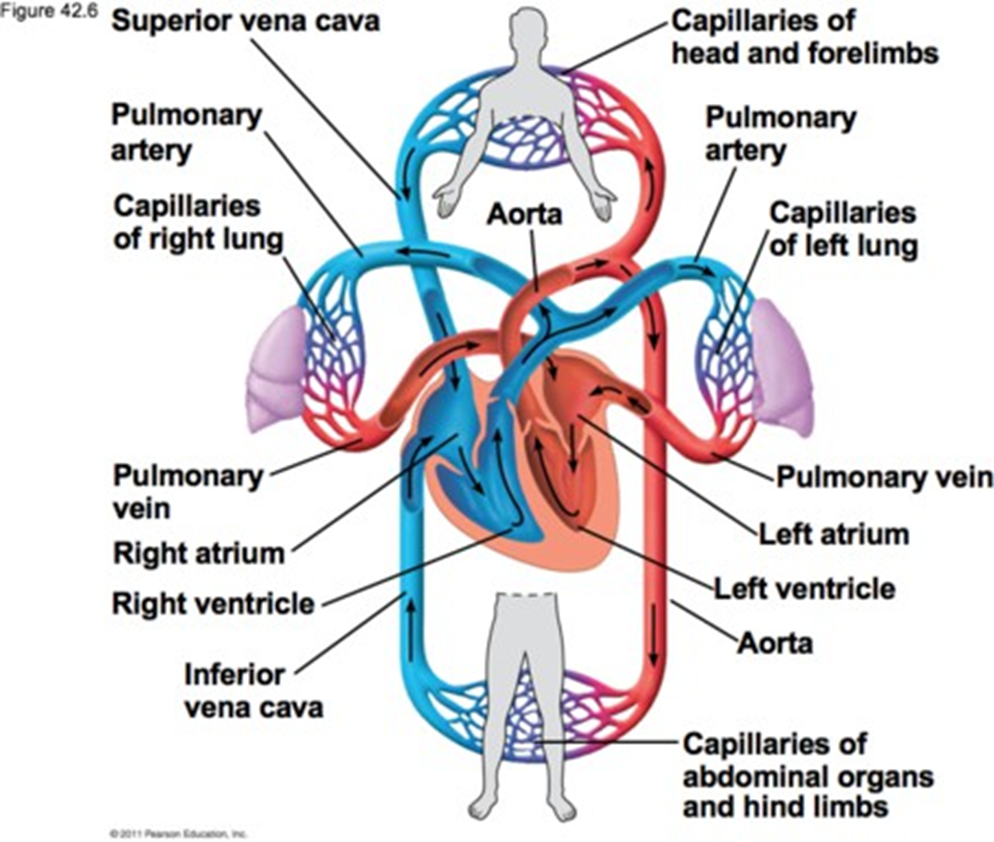
This sequence is incorrect because it suggests that blood goes from the lungs to the pulmonary artery, which is not accurate. The pulmonary artery carries deoxygenated blood from the heart to the lungs.
Choice B rationale
This sequence is incorrect because it suggests that blood goes from the pulmonary vein to the lungs, which is not accurate. The pulmonary vein carries oxygenated blood from the lungs to the heart.
Choice C rationale
This sequence correctly describes the direction of blood flow through the heart and lungs. Deoxygenated blood enters the right atrium, goes to the right ventricle, then is sent to the lungs via the pulmonary artery. After picking up oxygen in the lungs, the blood returns to the heart via the pulmonary vein, entering the left atrium, then the left ventricle, from where it is pumped out to the rest of the body.
Choice D rationale
This sequence is incorrect because it suggests that blood goes from the pulmonary vein to the pulmonary artery, which is not accurate. The pulmonary vein carries oxygenated blood from the lungs to the heart, and the pulmonary artery carries deoxygenated blood from the heart to the lungs.
Whether you are a student looking to ace your exams or a practicing nurse seeking to enhance your expertise , our nursing education contents will empower you with the confidence and competence to make a difference in the lives of patients and become a respected leader in the healthcare field.
Visit Naxlex, invest in your future and unlock endless possibilities with our unparalleled nursing education contents today