
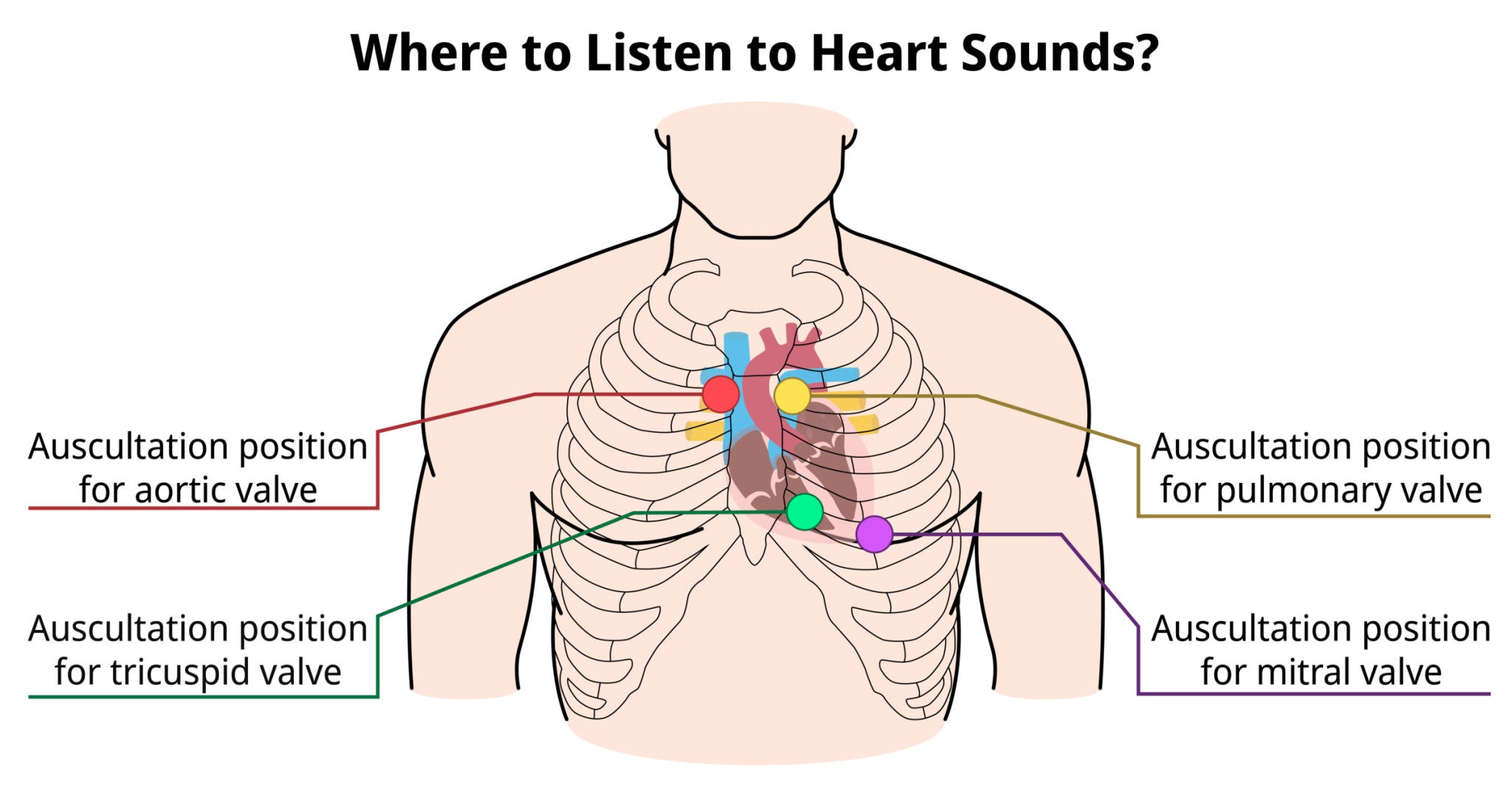
A nurse auscultates the heart at the fifth intercostal space at the left midclavicular line. What area is the nurse assessing?
Tricuspid valve
Aortic valve
Mitral valve
Pulmonic valve
The Correct Answer is C
Choice A reason: The tricuspid valve is typically auscultated at the fourth or fifth intercostal space along the left lower sternal border. This anatomical site allows for the best transmission of sounds produced by the closure of the right atrioventricular valve, which separates the right atrium from the right ventricle during the cardiac cycle.
Choice B reason: The aortic valve is best assessed at the second intercostal space, just to the right of the sternal border. This location, known as the aortic area, facilitates the detection of the S2 heart sound and specific murmurs such as aortic stenosis, where blood flow is ejected into the ascending aorta.
Choice C reason: The mitral valve, or bicuspid valve, is located at the fifth intercostal space at the left midclavicular line, which corresponds to the cardiac apex. This site provides the most direct acoustic window to the left ventricle, making it the primary location for assessing the S1 heart sound and apical pulse.
Getty Images
Choice D reason: The pulmonic valve is auscultated at the second intercostal space, immediately to the left of the sternal border. This area is designated for monitoring the closure of the semilunar valve between the right ventricle and the pulmonary artery, where the pulmonic component of the second heart sound is loudest.
Nursing Test Bank
Naxlex Comprehensive Predictor Exams
Related Questions
Correct Answer is D
Explanation
Choice A reason: While a history of smoking is a risk factor, having quit 10 years ago significantly reduces the client's cardiovascular risk profile compared to an active smoker. The body’s vasculature recovers over time, and a decade of cessation drastically lowers the likelihood of acute myocardial infarction.
Choice B reason: Engaging in regular physical activity, such as walking a dog, is a protective factor against heart disease. Exercise improves myocardial efficiency, lowers blood pressure, and helps maintain healthy lipid levels, which counteracts the development of atherosclerosis and other cardiovascular pathologies in the general population.
Choice C reason: Consuming a low-sodium diet is a healthy lifestyle choice that helps manage blood pressure and prevent fluid volume overload. This dietary habit reduces the risk of hypertension, which is a primary precursor to coronary artery disease, heart failure, and other adverse cardiovascular events.
Choice D reason: Sedentary behavior, such as sitting for most of the workday, is a major independent risk factor for heart disease. Lack of movement contributes to obesity, insulin resistance, and poor lipid metabolism, significantly increasing the risk of developing metabolic syndrome and subsequent coronary artery calcification.
Correct Answer is A
Explanation
Choice A reason: Women frequently exhibit atypical presentations of myocardial ischemia, such as profound fatigue, epigastric pain, or dyspnea, rather than the classic substernal crushing chest pain reported by men. These non-classic symptoms often lead clinicians to incorrectly attribute the clinical manifestations to gastrointestinal issues, musculoskeletal strain, or psychiatric conditions like generalized anxiety.
Choice B reason: While chronic psychological stress and anxiety can contribute to the development of hypertension and catecholamine release, they are not classified as the primary physiological cause of acute coronary syndrome. ACS is fundamentally caused by plaque rupture, coronary artery vasospasm, or thromboembolic occlusion leading to myocardial tissue ischemia and potential necrosis.
Choice C reason: This statement is medically inaccurate because cardiac biomarkers, such as Troponin I or T, may not show an immediate elevation in the very early stages of acute coronary syndrome. Furthermore, some women may experience microvascular angina or non-obstructive coronary artery disease, where traditional diagnostic findings might be more subtle or delayed.
Choice D reason: Shortness of breath, or dyspnea, is a hallmark symptom of cardiac compromise and left ventricular dysfunction. It occurs when the heart cannot pump efficiently, leading to increased pulmonary venous pressure and interstitial edema. Classifying it as "rarely a cardiac symptom" is a significant clinical error that overlooks a critical warning sign.
Whether you are a student looking to ace your exams or a practicing nurse seeking to enhance your expertise , our nursing education contents will empower you with the confidence and competence to make a difference in the lives of patients and become a respected leader in the healthcare field.
Visit Naxlex, invest in your future and unlock endless possibilities with our unparalleled nursing education contents today