
A nurse begins an abdominal examination by observing for visual abnormalities. This technique is known as:
Auscultation
Inspection
Percussion
Palpation
The Correct Answer is B
Choice A reason: Auscultation is the process of listening to sounds produced within the body, typically using a stethoscope. In an abdominal exam, it is used to assess bowel sounds and vascular bruits. It follows inspection but must precede percussion and palpation to ensure that bowel motility is not artificially stimulated.
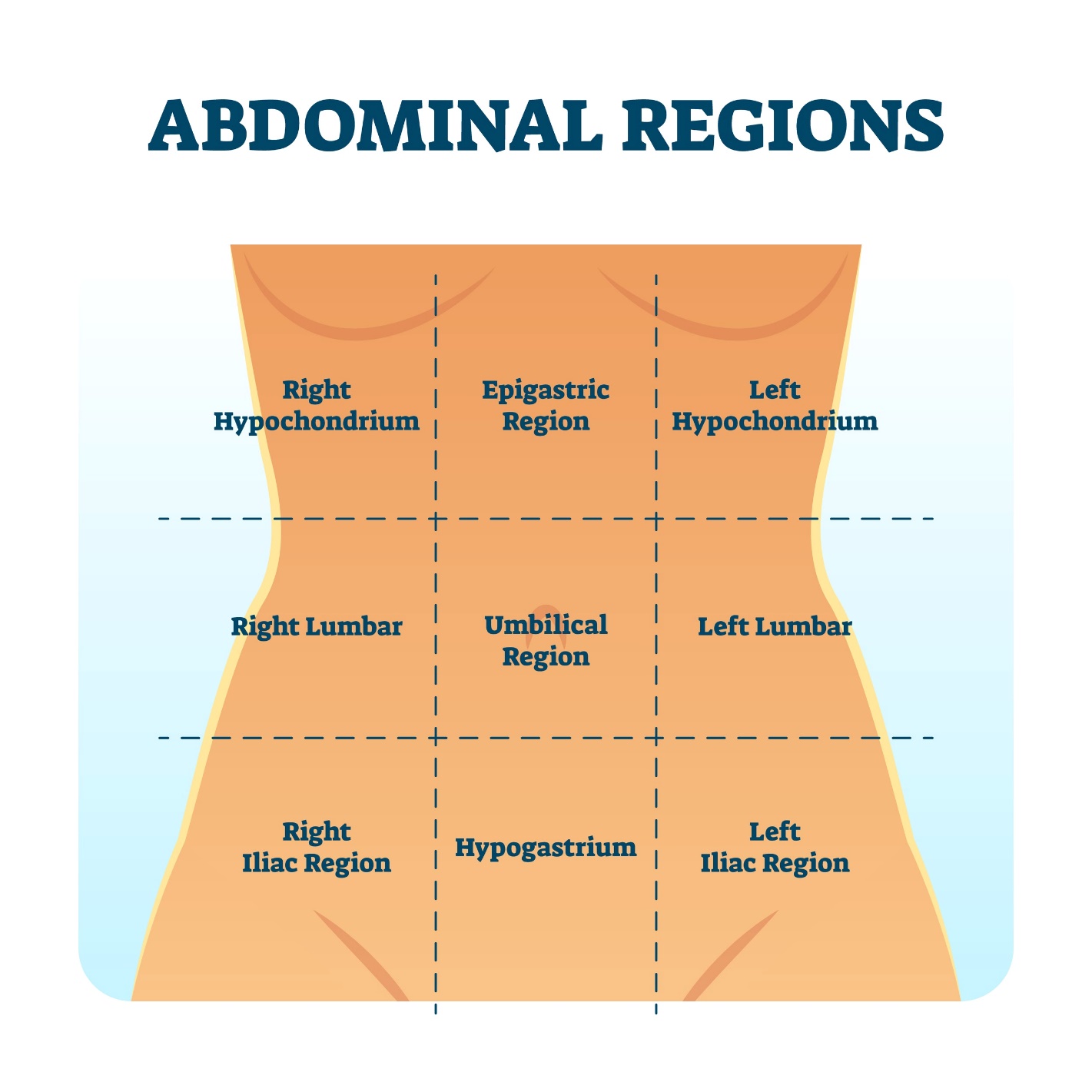
Choice B reason: Inspection is the systematic visual observation of the patient, which is always the first step in a physical assessment. In the abdomen, the nurse inspects for contour, symmetry, skin integrity, pulsations, and the presence of striae or scars. This non-invasive step provides immediate clues regarding underlying pathology.
Shutterstock
Explore
Choice C reason: Percussion involves tapping the body surface to produce vibrations and sounds. This technique helps determine the density of underlying organs and the presence of fluid or gas. It is performed after inspection and auscultation to map out organ boundaries like the liver or spleen.
Choice D reason: Palpation is the use of touch to assess organ size, location, and the presence of tenderness or masses. It is the final step in the abdominal assessment sequence because deep pressure can alter bowel sounds and cause patient guarding, which would interfere with the accuracy of the preceding steps.
Nursing Test Bank
Naxlex Comprehensive Predictor Exams
Related Questions
Correct Answer is D
Explanation
Choice A reason: While patient satisfaction is an important metric for quality of care and institutional performance, it does not objectively measure the clinical effectiveness of the nursing interventions. A patient may be satisfied with their care while their underlying physiological condition fails to improve or even deteriorates further.
Choice B reason: Medication compliance is a factor in achieving health outcomes, but it is only one component of the implementation phase. In the evaluation phase, the nurse must look beyond compliance to see if the medications and other nursing interventions actually produced the desired therapeutic effect on the patient's health.
Choice C reason: The nurse's subjective perception or feeling about the interventions is not a reliable scientific measure of success. Evaluation must be based on measurable, observable data rather than personal opinion. Nursing practice relies on objective evidence and standardized criteria to determine if the nursing care plan was successful.
Choice D reason: The evaluation phase of the nursing process is specifically defined as the systematic comparison of the patient's current health status against the predefined, measurable goals and expected outcomes established during the planning phase. This determines whether to continue, modify, or terminate the specific nursing care plan.
Correct Answer is ["B","C","D"]
Explanation
Choice A reason: Older adults actually experience a decrease in vascularity and blood supply to the dermis. This reduction in blood flow contributes to delayed wound healing, impaired thermoregulation, and a paler skin tone. An increase in blood supply is not a physiological characteristic of the normal aging process of skin.
Choice B reason: Aging leads to the atrophy of subcutaneous fat layers, particularly in the extremities. This decrease in subcutaneous tissue reduces the body's natural insulation and padding, making older adults more susceptible to hypothermia and increasing the risk of skin breakdown or pressure injuries over bony prominences during physical activity.
Choice C reason: The epidermal and dermal layers undergo significant thinning as a result of decreased cell replacement and collagen degradation. This increase in skin thinning results in a fragile integumentary system, often described as paper-thin skin, which is highly prone to shearing forces, skin tears, and mechanical trauma.
Choice D reason: There is a physiological decline in the function of sebaceous and eccrine glands in older adults, leading to reduced sebum production. This decrease in skin hydration causes the skin to become xerotic, scaly, and itchy, which compromises the skin's barrier function against environmental pathogens and irritants.
Choice E reason: Skin elasticity significantly decreases with age due to the loss and fragmentation of elastin and collagen fibers within the dermal matrix. This leads to increased skin sagging and wrinkling. An increase in elasticity is associated with youth, whereas senescence is characterized by a loss of tensile strength
Whether you are a student looking to ace your exams or a practicing nurse seeking to enhance your expertise , our nursing education contents will empower you with the confidence and competence to make a difference in the lives of patients and become a respected leader in the healthcare field.
Visit Naxlex, invest in your future and unlock endless possibilities with our unparalleled nursing education contents today