
A nurse in an emergency department is assessing a client who received epinephrine.
Which of the following findings should the nurse report as an adverse effect of epinephrine?
Bradycardia
Chest pain
Respiratory depression
Hypoglycemia
The Correct Answer is B
A) Bradycardia - Epinephrine commonly causes tachycardia, not bradycardia.
B) Chest pain - Chest pain can be an adverse effect of epinephrine due to its potential to increase myocardial oxygen demand and exacerbate ischemia.
C) Respiratory depression - Epinephrine typically causes bronchodilation and may exacerbate respiratory distress but does not typically cause respiratory depression.
D) Hypoglycemia - Epinephrine can cause hyperglycemia due to its glycogenolytic effects, not hypoglycemia.
Nursing Test Bank
Naxlex Comprehensive Predictor Exams
Related Questions
Correct Answer is A
Explanation
A) "You will have a central line placed to receive TPN." - TPN is typically administered via a central line to ensure rapid and efficient delivery into the bloodstream.
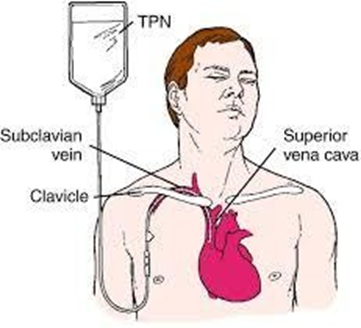
B) "Your blood sugar will be checked once a day." - Blood sugar monitoring may be necessary, but the frequency of monitoring can vary based on the client's condition and TPN content.
C) "You will be weighed twice a week while receiving TPN." - Weighing frequency may vary based on the healthcare provider's orders and the client's condition but is not directly related to TPN administration.
D) "Your intake and output will be measured every 2 days." - Intake and output monitoring is important but may need to be more frequent depending on the client's condition and TPN therapy.
Correct Answer is A
Explanation
A. Contact the provider: "NOW" is not a standard dosing instruction. It's unclear whether the medication is intended for immediate administration or not. A healthcare professional needs to clarify the intended use with the prescriber before administering the medication.
B. Inform the client there is a prescription available if needed: This doesn't address the immediate need for clarification regarding the "NOW" instruction.
C. Administer the medication within 90 min.: There's no standard timeframe associated with "NOW." Administering without clarification could be unsafe.
D. Notify the pharmacy to send the medication immediately: This focuses on obtaining the medication but doesn't address the unclear dosing instructions.
Whether you are a student looking to ace your exams or a practicing nurse seeking to enhance your expertise , our nursing education contents will empower you with the confidence and competence to make a difference in the lives of patients and become a respected leader in the healthcare field.
Visit Naxlex, invest in your future and unlock endless possibilities with our unparalleled nursing education contents today