
A nurse in an urgent care center is caring for a client who is having an acute asthma exacerbation. Which of the following actions is the nurse's highest priority?
Administering a nebulized beta-adrenergic
Providing immediate rest for the client
Positioning the client in high-Fowler's
Initiating oxygen therapy
The Correct Answer is A
Answer: A
Rationale:
A) Administering a nebulized beta-adrenergic:
In the case of an acute asthma exacerbation, administering a nebulized beta-adrenergic agonist (such as albuterol) is the highest priority. These medications act quickly to relax bronchial smooth muscle, dilate airways, and improve airflow. This intervention directly addresses the underlying bronchospasm and helps to alleviate the acute symptoms of asthma.
B) Providing immediate rest for the client:
While rest is important in managing an acute asthma exacerbation, it is not the immediate priority. Addressing the airway obstruction with appropriate medications is crucial for stabilizing the client's condition before focusing on comfort measures such as rest.
C) Positioning the client in high-Fowler's:
Positioning the client in a high-Fowler's position can help improve lung expansion and facilitate breathing. However, this action is secondary to administering medication that can relieve the acute symptoms of bronchoconstriction. The medication should be administered first to rapidly address the exacerbation.
D) Initiating oxygen therapy:
Oxygen therapy might be necessary if the client shows signs of hypoxemia or severe respiratory distress. However, the immediate priority is to address the bronchospasm with a nebulized beta-adrenergic agonist to improve airflow. Once the acute bronchospasm is managed, oxygen therapy can be implemented if needed to support oxygen saturation.
Nursing Test Bank
Naxlex Comprehensive Predictor Exams
Related Questions
Correct Answer is C
Explanation
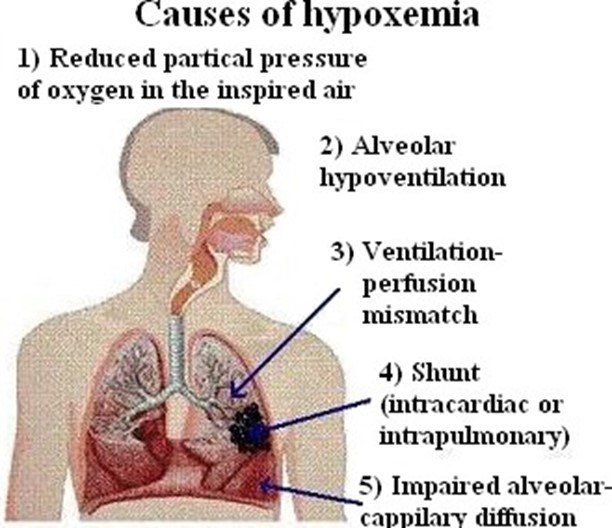
Agitation is a sign of hypoxemia, as the brain is deprived of oxygen and becomes irritable and restless.
The other options are not correct because:
- Nausea is not a specific manifestation of hypoxemia, as it can have many other causes such as medication side effects, gastrointestinal disorders, or anxiety.
- Dysphagia is difficulty swallowing, which is not related to hypoxemia or asthma. It can be caused by neurological, muscular, or structural problems in the throat or esophagus.
- Hypotension is low blood pressure, which is not a typical manifestation of hypoxemia or asthma. It can be caused by dehydration, blood loss, shock, or heart failure.
Correct Answer is C
Explanation
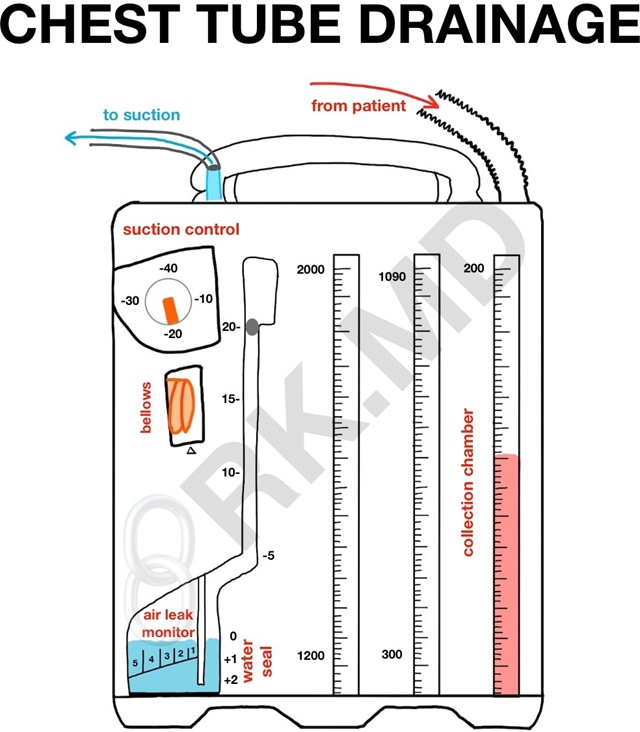
Continuing to monitor the client is the appropriate action for the nurse to take, as a rise in the water seal chamber with client inspiration is a normal and expected finding. The water seal chamber acts as a one-way valve that allows air to exit from the pleural space and prevents air from entering. The water level in this chamber fluctuates with breathing, rising with inspiration and falling with expiration. This indicates that the chest tube system is functioning properly and that there is no air leak.
a) Immediately notifying the provider is not necessary, as a rise in the water seal chamber with client inspiration is not an abnormal or urgent finding. The nurse should only notify the provider if there are signs of complications, such as persistent bubbling in the water seal chamber, which indicates an air leak, or no fluctuation in the water level, which indicates an obstruction or resolution of pneumothorax.
b) Clamping the chest tube near the water seal is not advisable, as it can cause increased pressure in the pleural space and lead to tension pneumothorax. Clamping the chest tube should only be done for a brief period of time and under specific circumstances, such as changing the drainage system, assessing for an air leak, or preparing for chest tube removal.
d) Repositioning the client toward the left side is not helpful, as it does not affect the water level in the water seal chamber. The nurse should position the client according to their comfort and condition, and avoid placing them flat or on their affected side, as this can impair drainage and ventilation.
Whether you are a student looking to ace your exams or a practicing nurse seeking to enhance your expertise , our nursing education contents will empower you with the confidence and competence to make a difference in the lives of patients and become a respected leader in the healthcare field.
Visit Naxlex, invest in your future and unlock endless possibilities with our unparalleled nursing education contents today