
A nurse is assessing a client following the insertion of a central venous catheter.
Which of the following findings indicates a pneumothorax?
Distended neck veins.
Itching over the incision.
Irregular heart rate.
Diminished breath sounds.
The Correct Answer is D
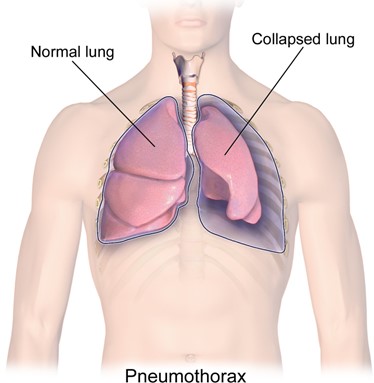
A pneumothorax is a collapsed lung that occurs when air leaks into the space between the lung and the chest wall.
This can cause diminished breath sounds on the affected side. Distended neck veins are not a symptom of pneumothorax.
B) Itching over the incision is not a symptom of pneumothorax.
C) Irregular heart rate is not a symptom of pneumothorax.
Nursing Test Bank
Naxlex Comprehensive Predictor Exams
Related Questions
Correct Answer is A
Explanation
This statement indicates that the nurse understands the importance of limiting the exposure of family members to radiation from the sealed implant.
Choice B is incorrect because the dosimeter badge should not be given to the oncoming nurse at the end of the shift.
The dosimeter badge is used to measure an individual’s exposure to radiation and should be worn by the same person throughout their shift.
Choice C is incorrect because if the client’s implant dislodges, the nurse should not touch it with their hands, even if they are wearing gloves.
The nurse should follow the facility’s protocol for handling dislodged implants.
Choice D is incorrect because soiled linens from a client with a sealed radiation implant do not need to be removed from the room after each change.
The linens can be handled according to standard precautions.
Correct Answer is A
Explanation
This statement indicates an understanding of the teaching because headache is a common symptom of anemia.
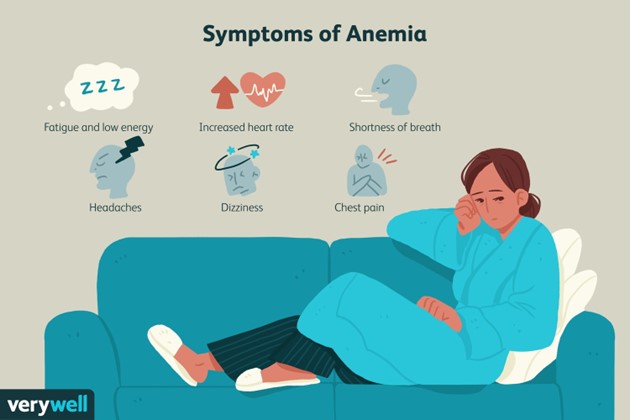 Choice B is incorrect because bradycardia (slow heart rate) is not a common symptom of anemia.
Instead, anemia can cause irregular heartbeats or a fast heartbeat.
Choice Dis incorrect because flushed skin color is not a common symptom of anemia.
Instead, anemia can cause pale or yellowish skin 1.
Choice Cis incorrect because heat intolerance is not a common symptom of anemia.
Whether you are a student looking to ace your exams or a practicing nurse seeking to enhance your expertise , our nursing education contents will empower you with the confidence and competence to make a difference in the lives of patients and become a respected leader in the healthcare field.
Visit Naxlex, invest in your future and unlock endless possibilities with our unparalleled nursing education contents today