
A nurse is assessing a client for abdominal discomfort. The nurse understands that which of the following organs is located in the right upper quadrant?
Liver
Stomach
Small intestine
Pancreas
The Correct Answer is A
Choice A reason: The liver is a large, solid organ primarily situated in the right upper quadrant (RUQ) of the abdomen, extending just under the right costal margin. Its location makes it a primary structure to assess during abdominal palpation and percussion in that specific quadrant.
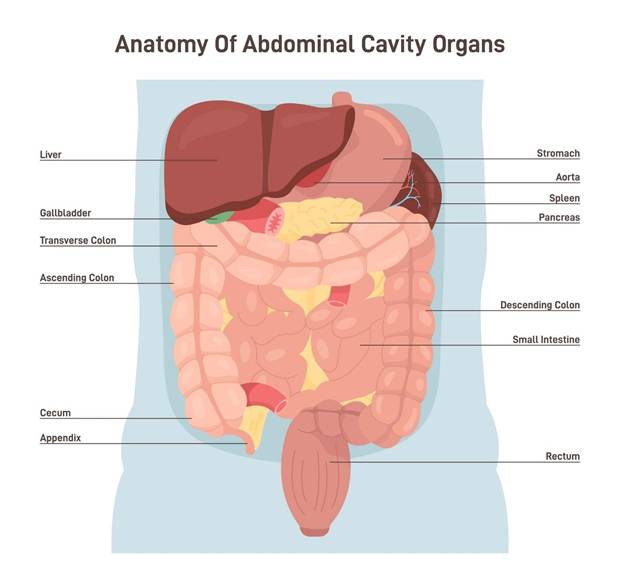
Choice B reason: The stomach is primarily located in the left upper quadrant (LUQ). While parts of the stomach can extend toward the midline, it is clinically categorized as a LUQ organ and is the focus of assessment when a patient reports epigastric or left-sided discomfort.
Choice C reason: The small intestine is a lengthy organ that spans multiple abdominal quadrants, including the central (umbilical) region, the LUQ, and the RLQ. Because it is distributed throughout the abdomen, it is not considered an organ localized specifically to the right upper quadrant.
Choice D reason: The pancreas is primarily located in the epigastric region, with its head resting in the curve of the duodenum and its tail extending toward the left upper quadrant. It is centrally positioned and not considered a structure that is primarily or exclusively located within the right upper quadrant.
Nursing Test Bank
Naxlex Comprehensive Predictor Exams
Related Questions
Correct Answer is A
Explanation
Choice A reason: Serum lipase and amylase are digestive enzymes produced and secreted by the exocrine pancreas. Elevated levels of these enzymes in the blood are the hallmark diagnostic criteria for acute pancreatitis, reflecting glandular inflammation and damage, which allows the leakage of these intracellular enzymes into the systemic circulation.
Choice B reason: While the small intestine is involved in the final stages of chemical digestion using pancreatic enzymes, it does not synthesize these enzymes. Elevated levels of amylase or lipase would not typically originate from intestinal pathology, as these enzymes are produced in the pancreatic acinar cells and secreted into the duodenum.
Choice C reason: The liver is primarily responsible for bile production, detoxification, and metabolic processing. While liver enzyme elevation is common in hepatobiliary diseases, it does not involve the specific elevation of lipase or amylase, which are specifically reflective of pancreatic inflammatory processes rather than hepatocellular or biliary obstruction.
Choice D reason: The stomach secretes hydrochloric acid and pepsinogen to initiate protein digestion. Although gastric pathologies such as peptic ulcer disease can cause severe abdominal pain and nausea, they do not result in the elevated lipase and amylase levels seen in inflammatory pancreatic conditions or obstruction of the pancreatic duct.
Correct Answer is B
Explanation
Choice A reason: While the cuff must be placed above the antecubital space, a fixed 5 cm distance is not the universal standard for all arm lengths. The priority is to ensure the bladder of the cuff is centered over the brachial artery and does not interfere with the placement of the stethoscope or sensor.
Choice B reason: The artery indicator (often an arrow on the cuff) must be correctly aligned with the anatomical path of the brachial artery. Misalignment can lead to inaccurate pressure readings, as the sensor or stethoscope will not be directly over the point of pulse detection, resulting in an erroneous systolic or diastolic value.
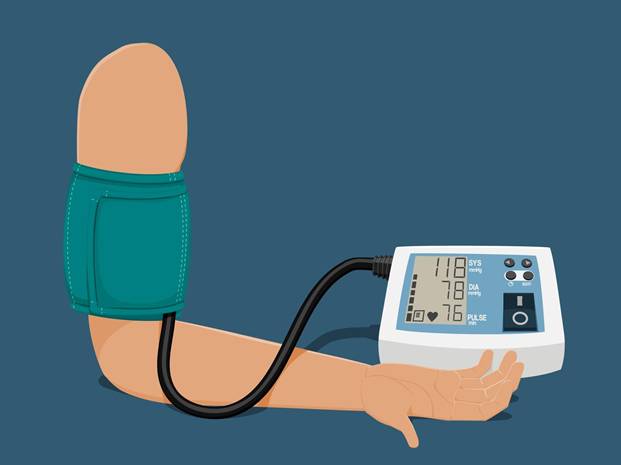
Choice C reason: Elevating the arm above the level of the heart will produce a falsely low blood pressure reading due to the effects of gravity on venous return and hydrostatic pressure. The arm must be supported and positioned at the level of the heart to ensure an accurate measurement that reflects central arterial pressure.
Choice D reason: Selecting a cuff that covers only 50% of the upper arm is incorrect; a cuff that is too small (narrow) will lead to a falsely high blood pressure reading. The standard requirement is for the cuff bladder to cover at least 80% of the arm circumference and 40% of the arm length.
Whether you are a student looking to ace your exams or a practicing nurse seeking to enhance your expertise , our nursing education contents will empower you with the confidence and competence to make a difference in the lives of patients and become a respected leader in the healthcare field.
Visit Naxlex, invest in your future and unlock endless possibilities with our unparalleled nursing education contents today