
What objective data should be collected when a client reports ear pain and discharge?
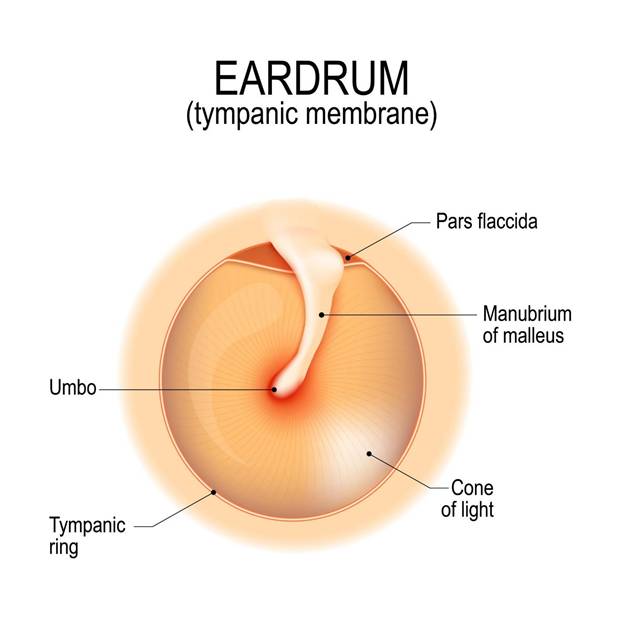
Inspect the tympanic membrane for bulging or rupture.
Ask the client about recent exposure to loud noises.
Inquire about current medication usage.
Obtain a swab of the discharge for laboratory testing.
The Correct Answer is A
Choice A reason: Otalgia associated with otorrhea (ear discharge) is highly suggestive of otitis media with effusion, acute otitis media with perforation, or otitis externa. Direct visualization using an otoscope to inspect the integrity and appearance of the tympanic membrane is the definitive objective assessment to differentiate between middle ear pathology and external canal infection.
Choice B reason: While exposure to loud noises is an important part of a clinical history for sensorineural hearing loss or tinnitus, it does not provide objective data relevant to the physical presence of ear pain and discharge, which are symptoms typically indicative of infectious or inflammatory processes rather than acoustic trauma.
Choice C reason: Inquiring about medication usage is a component of a subjective health history and medication reconciliation. While it provides context regarding systemic health or potential side effects, it does not constitute an objective clinical assessment of the current structural integrity or infectious state of the auditory canal and middle ear.
Choice D reason: While obtaining a culture from discharge can be useful in cases of chronic, recurrent, or resistant otitis externa, it is a diagnostic test rather than a primary physical assessment finding. The initial objective priority is to identify the source of the pathology through direct physical examination of the anatomy.
Nursing Test Bank
Naxlex Comprehensive Predictor Exams
Related Questions
Correct Answer is C
Explanation
Choice A reason: The parasympathetic nervous system is a subdivision of the autonomic nervous system, primarily responsible for the rest-and-digest response. It focuses on regulating involuntary physiological processes such as heart rate, digestion, and salivation, rather than transmitting external sensory information from the periphery to the brain.
Choice B reason: The central nervous system, consisting of the brain and spinal cord, serves as the processing center for sensory information. However, it does not carry information from the periphery; instead, it receives, interprets, and integrates the sensory input delivered to it by the peripheral nervous system.
Choice C reason: The peripheral nervous system consists of all nerves outside the brain and spinal cord. Its afferent division is specifically responsible for conducting sensory information from receptors located in the periphery of the body, such as the skin and muscles, toward the central nervous system for processing.
Choice D reason: The somatic nervous system is a component of the peripheral nervous system that controls voluntary muscle movements and transmits sensory information from the skin, muscles, and joints. While it carries sensory data, the peripheral nervous system is the broader, more accurate classification for the total system responsible for this transit.
Correct Answer is B
Explanation
Choice A reason: A pulse deficit occurs when the peripheral pulse rate is lower than the apical heart rate, typically seen in arrhythmias like atrial fibrillation. It is not a pathophysiological consequence of pneumonia and does not correlate with the impaired gas exchange seen in pulmonary infections.
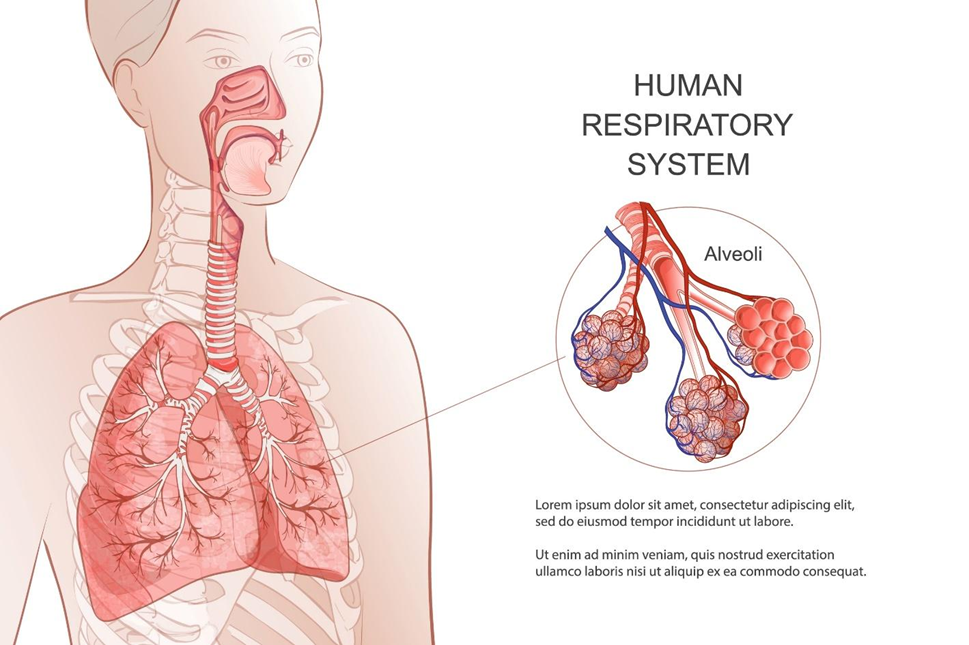
Choice B reason: Pneumonia causes inflammation and consolidation within the lung parenchyma, leading to impaired gas exchange and hypoxia. To compensate for the reduced oxygen saturation and increased metabolic demand, the respiratory center triggers an increase in respiratory rate, resulting in the clinical finding of tachypnea.
Choice C reason: Hypothermia is a core body temperature below 35°C. Pneumonia, being an infectious process, typically triggers an inflammatory response that leads to pyrexia (fever) rather than a reduction in core body temperature, as the body attempts to create an environment hostile to the invading pathogen.
Choice D reason: Bradycardia, or a heart rate below 60 beats per minute, is not a typical response to pneumonia. In fact, due to the presence of fever, hypoxia, and the systemic inflammatory response, patients with pneumonia usually exhibit tachycardia, or an elevated heart rate, as the cardiovascular system attempts to maintain perfusion.
Whether you are a student looking to ace your exams or a practicing nurse seeking to enhance your expertise , our nursing education contents will empower you with the confidence and competence to make a difference in the lives of patients and become a respected leader in the healthcare field.
Visit Naxlex, invest in your future and unlock endless possibilities with our unparalleled nursing education contents today