
A nurse is caring for a client following a recent suicide attempt. Which of the following actions should the nurse take?
Initiate one to one constant supervision around the clock.
Ensure the client's hands are always visible.
Tuck bedcovers over client's hands and arms.
Inspect the client's personal belongings.
Check the environment for possible hazards.
Assign the client to a private room.
Place only plastic utensils on the client's meal tray.
Correct Answer : A,E
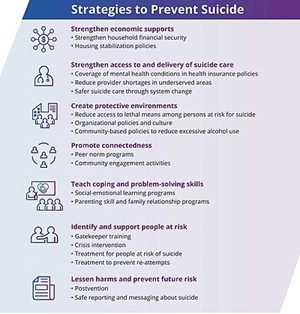
a. Initiate one to one constant supervision around the clock: A client who has attempted suicide is at high risk for further harm, and close monitoring is necessary to prevent further attempts. Initiation of one-to- one constant supervision around the clock ensures that the client is continuously monitored, and any signs of suicidal ideation or behavior can be immediately addressed.
e. Check the environment for possible hazards: It is important to check the client's environment for potential hazards, such as sharp objects, cords, or other items that could be used to harm oneself. This step helps to ensure the client's safety and prevent further attempts.
The other options are not appropriate or necessary in this situation:
b. Ensure the client's hands are always visible: This action may be necessary if the client has a history of self-harm or aggressive behavior, but it is not specifically related to preventing suicide attempts.
c. Tuck bedcovers over client's hands and arms: This action may be necessary if the client has a history of self-harm, but it is not specifically related to preventing suicide attempts.
d. Inspect the client's personal belongings: While it may be important to inspect the client's personal belongings for any items that could be used for self-harm, this action is not as urgent as initiating constant supervision and checking the environment for hazards.
f. Assign the client to a private room: While a private room may be beneficial for the client's comfort and privacy, it is not specifically related to preventing suicide attempts.
g. Place only plastic utensils on the client's meal tray: This action is not specifically related to preventing suicide attempts, unless there is concern that the client may harm themselves with utensils.
Nursing Test Bank
Naxlex Comprehensive Predictor Exams
Related Questions
Correct Answer is C
Explanation
When a client is admitted with an involuntary status, it means that the client did not consent to the admission and was likely admitted due to being a danger to themselves or others. This can lead to increased stress and anxiety for the client, so the nurse should closely monitor the client for signs of severe anxiety and stress.
Options a, b, and d are not appropriate interventions for a client admitted with an involuntary status.
Option a is more appropriate for a client with a history of opioid use.
Option b is more appropriate for a client with a history of violence or aggression towards family members.
Option d is more appropriate for a client with a history of methamphetamine use.
Correct Answer is C
Explanation
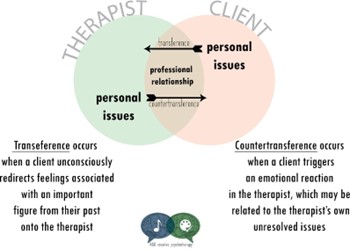
Countertransference refers to the feelings and emotions that a healthcare provider may have towards a patient. In this case, the nurse is experiencing sadness and reflecting on their own personal experiences with their grandparents while assessing the confused older adult. This can lead to the nurse projecting their own feelings and emotions onto the patient.
Whether you are a student looking to ace your exams or a practicing nurse seeking to enhance your expertise , our nursing education contents will empower you with the confidence and competence to make a difference in the lives of patients and become a respected leader in the healthcare field.
Visit Naxlex, invest in your future and unlock endless possibilities with our unparalleled nursing education contents today