
A nurse is caring for a client who has an alcohol use disorder and is experiencing withdrawal. Which of the following interventions is the nurse's priority?
Identify the use of defense mechanisms.
Prevent the client from harming herself or others.
Support the client's coping skills.
The Correct Answer is B
Prevent the client from harming herself or others. Withdrawal from alcohol can lead to autonomic hyperactivity and is most concerning when it involves seizures, deliriums tremens, and hallucinations which can be potentially life-threatening. Therefore, the nurse's priority when caring for a client experiencing alcohol withdrawal is to prevent harm to the client by implementing seizure precautions and monitoring the client's vital signs.
Choice A, identifying the use of defense mechanisms, is an important aspect of treatment but can be addressed later.
Choice C, supporting the client's coping skills, is not a priority intervention.
Nursing Test Bank
Naxlex Comprehensive Predictor Exams
Related Questions
Correct Answer is D
Explanation
Validation. Validation is a therapeutic technique that involves acknowledging and accepting the feelings and emotions of the person with dementia, even if they are not based on reality. Validation helps to reduce agitation and anxiety and promotes dignity and respect.
The other choices are not correct for the following reasons:
Remotivation is a technique that aims to stimulate the person's interest in the present and future, by providing factual information and encouraging participation in activities. Remotivation may not be appropriate for someone who is agitated and living in the past.
Orientation to reality is a technique that involves correcting the person's misperceptions and confusions, by providing factual information about time, place, and identity. Orientation to reality may increase agitation and frustration and may damage the person's self-esteem.
Guided imagery is a technique that involves using mental images to promote relaxation and well-being. Guided imagery may not be effective for someone who has difficulty with attention, concentration and memory.
Correct Answer is ["B","D","E"]
Explanation
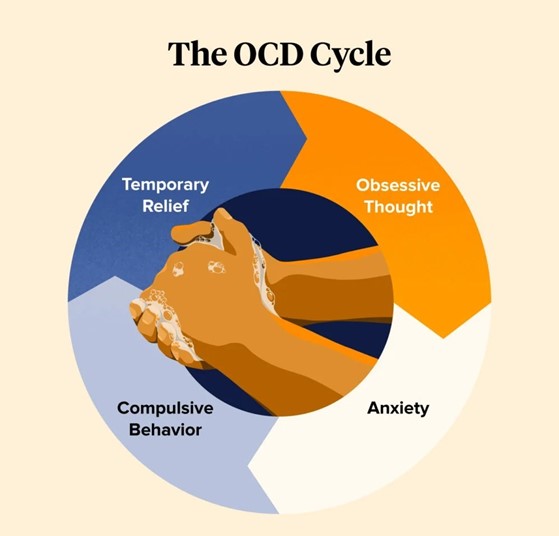
The client with OCD may experience difficulty relaxing and often feels tense, anxious, and irritable. They may engage in rule-conscious behavior and exhibit perfectionist tendencies, as well as experience compulsive behaviors. These behaviors may be time-consuming and interfere with daily activities.
Option A is incorrect because irrational fear of certain objects is more indicative of a phobia than OCD.
Option C is incorrect because clients with OCD are usually aware of their compulsions and may even try to resist them.
Reasons why the other options are not correct answers:
Option A: Irrational fear of certain objects is more indicative of a phobia than OCD.
Option C: Clients with OCD are usually aware of their compulsions and may even try to resist them.
Whether you are a student looking to ace your exams or a practicing nurse seeking to enhance your expertise , our nursing education contents will empower you with the confidence and competence to make a difference in the lives of patients and become a respected leader in the healthcare field.
Visit Naxlex, invest in your future and unlock endless possibilities with our unparalleled nursing education contents today