
A nurse in an urgent care clinic is caring for a client who is using loud and rapid speech and continuously repeats, "I don't know why my wife left me." Which of the following levels of anxiety is the client experiencing?
Moderate
Panic
Severe
Mild
The Correct Answer is A
Moderate. According to the Mayo Clinic moderate anxiety is characterized by symptoms such as loud and rapid speech, difficulty concentrating, restlessness, and increased worry. The client's behavior matches these symptoms, indicating that they are experiencing moderate anxiety.
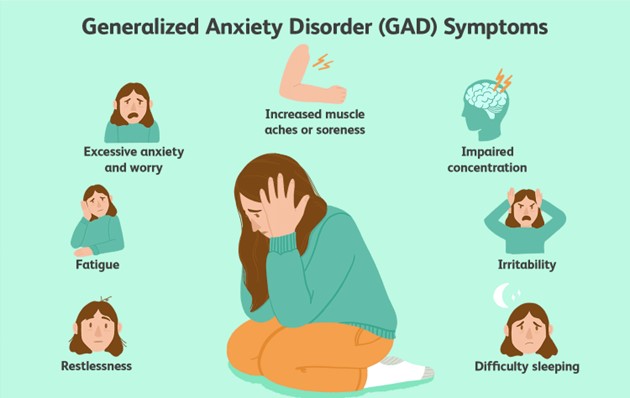
Choice B. Panic is incorrect because panic is a severe form of anxiety that involves symptoms such as chest pain, shortness of breath, trembling, and a sense of impending doom. The client does not exhibit these symptoms.
Choice C. Severe is incorrect because severe anxiety is marked by symptoms such as irrational fear, detachment from reality, hallucinations, and loss of control¹². The client does not show these symptoms.
Choice D. Mild is incorrect because mild anxiety is associated with symptoms such as nervousness, increased alertness, and slight discomfort¹². The client's symptoms are more intense than mild anxiety.
Nursing Test Bank
Naxlex Comprehensive Predictor Exams
Related Questions
Correct Answer is B
Explanation
In clients with obsessive-compulsive disorder (OCD), cleaning and organizing can be a way of decreasing anxiety to a tolerable level. This behavior is a compulsive behavior that is often related to the individual's obsessions. It is not an attempt to manipulate or control others, limit interaction with others, or focus attention on useful tasks.
Correct Answer is D
Explanation
When collecting data from a female client who has anorexia nervosa, the nurse should expect a finding of low bone density.
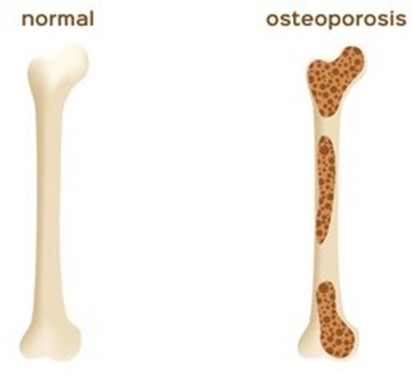
Anorexia nervosa is an eating disorder characterized by self-starvation, distorted body image, and a fear of gaining weight. Clients with anorexia nervosa are at risk for severe malnutrition, which can lead to a variety of complications, including bone loss and osteoporosis.
Options A, B, and C are incorrect findings in a client with anorexia nervosa. Decreased cholesterol levels may be an indication of malnutrition. Heavy monthly periods, or menstrual irregularities, may occur in clients with anorexia nervosa because of the hormonal changes that can result from severe weight loss. Elevated serum potassium levels are not a common finding in a client with anorexia nervosa.
Whether you are a student looking to ace your exams or a practicing nurse seeking to enhance your expertise , our nursing education contents will empower you with the confidence and competence to make a difference in the lives of patients and become a respected leader in the healthcare field.
Visit Naxlex, invest in your future and unlock endless possibilities with our unparalleled nursing education contents today