
A nurse is caring for a client who has asthma and is taking fluticasone. The nurse should monitor the client
for which of the following adverse effects?
Polyuria
Hypoglycemia
Hypertension
Oral candidiasis
The Correct Answer is D
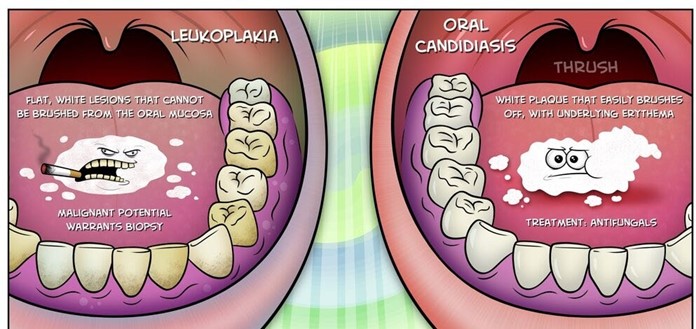
Oral candidiasis, also known as thrush, is a fungal infection of the mouth caused by Candida albicans. It is a common adverse effect of inhaled corticosteroids, such as fluticasone, which can suppress the normal flora of the oral cavity and create a favorable environment for fungal growth. It manifests as white patches or plaques on the tongue, palate, or cheeks that can be scraped off.
a) Polyuria, or excessive urination, is not an adverse effect of fluticasone. It can be caused by diabetes mellitus, diabetes insipidus, diuretics, or kidney disease.
b) Hypoglycemia, or low blood glucose level, is not an adverse effect of fluticasone. It can be caused by
insulin overdose, oral hypoglycemic agents, alcohol intake, or prolonged fasting.
c) Hypertension, or high blood pressure, is not an adverse effect of fluticasone. It can be caused by stress, obesity, smoking, salt intake, or kidney disease.
Nursing Test Bank
Naxlex Comprehensive Predictor Exams
Related Questions
Correct Answer is D
Explanation
Oral candidiasis, also known as thrush, is a fungal infection of the mouth caused by Candida albicans. It is a common adverse effect of inhaled corticosteroids, such as fluticasone, which can suppress the normal flora of the oral cavity and create a favorable environment for fungal growth. It manifests as white patches or plaques on the tongue, palate, or cheeks that can be scraped off.
a) Polyuria, or excessive urination, is not an adverse effect of fluticasone. It can be caused by diabetes mellitus, diabetes insipidus, diuretics, or kidney disease.
b) Hypoglycemia, or low blood glucose level, is not an adverse effect of fluticasone. It can be caused by
insulin overdose, oral hypoglycemic agents, alcohol intake, or prolonged fasting.
c) Hypertension, or high blood pressure, is not an adverse effect of fluticasone. It can be caused by stress, obesity, smoking, salt intake, or kidney disease.
Correct Answer is C
Explanation
A. Administration of a prescribed bronchodilator is typically recommended approximately 30 minutes prior to meals rather than 1 hour. This pharmacological timing helps reduce dyspnea and facilitates easier deglutition and mastication by improving airflow. Using it too early may result in the peak therapeutic effect tapering off before the client finishes the meal.
B. Consuming 3 large meals each day is contraindicated for clients with chronic obstructive pulmonary disease because a distended stomach can exert upward pressure on the diaphragm. This abdominal crowding significantly increases the work of breathing and leads to early satiety or respiratory distress. Clients are instead encouraged to eat 5 to 6 small, frequent, nutrient-dense meals.
C. The nurse should instruct the client to limit water or fluid intake during the actual mealtime to prevent premature gastric distention. Early fullness from fluids reduces the client’s ability to consume essential solid nutrients and calories required to support the increased metabolic demands of labored breathing. Fluids should be consumed between meals to maintain adequate hydration and thin secretions.
D. Reducing protein intake is inappropriate because these clients require high-protein and high-calorie diets to prevent muscle wasting and support the respiratory muscles. The metabolic cost of breathing in chronic obstructive pulmonary disease is significantly elevated, often leading to a state of malnutrition or cachexia. Protein is vital for tissue repair and maintaining the functional integrity of the diaphragm.
Whether you are a student looking to ace your exams or a practicing nurse seeking to enhance your expertise , our nursing education contents will empower you with the confidence and competence to make a difference in the lives of patients and become a respected leader in the healthcare field.
Visit Naxlex, invest in your future and unlock endless possibilities with our unparalleled nursing education contents today