
A nurse is caring for a client who has cancer and reports moderate pain. Which of the following medications should the nurse expect to administer?
Ibuprofen.
Morphine.
Acetaminophen.
Aspirin.
The Correct Answer is B
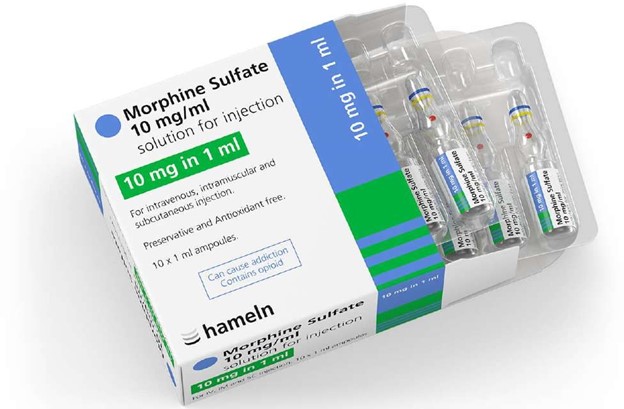
Opioids such as morphine are used to relieve moderate to severe pain in cancer patients.
Choice A is wrong because ibuprofen is a nonsteroidal anti-inflammatory drug (NSAID) that may be used to relieve mild pain, not moderate pain.
Choice C is wrong because acetaminophen may be used to relieve mild pain, not moderate pain.
Choice D is wrong because aspirin is an NSAID that may be used to relieve mild pain, not moderate pain.
Nursing Test Bank
Naxlex Comprehensive Predictor Exams
Related Questions
Correct Answer is A
Explanation
Albuterol can cause a rapid heart rate (tachycardia).
It is one of the more serious side effects of albuterol.
Choice B is wrong because Fever, is not an answer because it is not mentioned as an adverse effect of albuterol in the search results.
Choice C is wrong because Constipation, is not an answer because it is not mentioned as an adverse effect of albuterol in the search results.
Choice D is wrong because Drowsiness, is not an answer because it is not mentioned as an adverse effect of albuterol in the search results.
Correct Answer is B
Explanation
Warfarin is an oral anticoagulant medication and is not administered subcutaneously.
The nurse should clarify this prescription with the provider before administering it.
Choice A is wrong because tetracycline can be prescribed in doses of 1 g orally every 6 hours.
Choice C is wrong because Penicillin G can be prescribed in doses of 5,000,000 units intramuscularly every 4 hours.
Choice D is wrong because Zoledronate can be prescribed as a single intravenous dose of 5 mg.
Whether you are a student looking to ace your exams or a practicing nurse seeking to enhance your expertise , our nursing education contents will empower you with the confidence and competence to make a difference in the lives of patients and become a respected leader in the healthcare field.
Visit Naxlex, invest in your future and unlock endless possibilities with our unparalleled nursing education contents today