
A nurse is caring for a client who is receiving an epidural block with an opioid analgesic. The nurse should identify which findings as an adverse effect of the medication?
Polyuria
Bilateral crackles
Hyperglycemia
Hypotension
The Correct Answer is D
Rationale:
A. Polyuria is not a common adverse effect of opioid analgesics administered via epidural block.
B. Bilateral crackles are not typically associated with opioid analgesics administered via epidural block.
C. Hyperglycemia (high blood sugar levels) is not a common adverse effect of opioid analgesics administered via epidural block.
D. Hypotension is a common adverse effect of opioid analgesics administered via epidural block. Opioids can cause peripheral vasodilation and decreased systemic vascular resistance, leading to a drop in blood pressure.
Nursing Test Bank
Naxlex Comprehensive Predictor Exams
Related Questions
Correct Answer is C
Explanation
Rationale:
A. Ectopic pregnancy occurs when a fertilized egg implants outside the uterus, typically in the fallopian tube. This scenario does not match the clinical presentation described.
B. Incompetent cervix is characterized by painless cervical dilation in the second trimester and is not relevant to the clinical situation described.
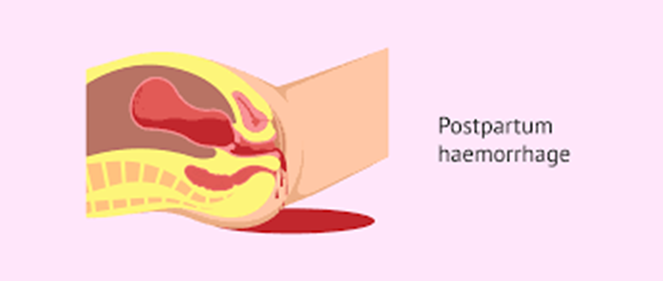
C. Postpartum hemorrhage is a risk when a woman is in advanced labor with significant cervical dilation. The nurse should be vigilant for signs of hemorrhage during labor and after delivery.
D. Hyperemesis gravidarum is severe nausea and vomiting during pregnancy and is not directly related to the client's current labor status.
Correct Answer is B
Explanation
Rationale:
A. Massaging the client's fundus is not indicated for hypotension following epidural anesthesia.
Fundal massage is typically performed to prevent or manage uterine atony and postpartum hemorrhage.
B. Turning the client to a side-lying position is a recommended intervention for hypotension following epidural anesthesia. This position helps improve venous return to the heart and can help alleviate hypotension by reducing aortocaval compression.
C. Applying oxygen via nasal cannula may be indicated if the client is experiencing respiratory distress, but it is not the primary intervention for hypotension.
D. Assisting the client to empty their bladder may be appropriate to relieve urinary retention but is not the priority intervention for hypotension.
Whether you are a student looking to ace your exams or a practicing nurse seeking to enhance your expertise , our nursing education contents will empower you with the confidence and competence to make a difference in the lives of patients and become a respected leader in the healthcare field.
Visit Naxlex, invest in your future and unlock endless possibilities with our unparalleled nursing education contents today