
A nurse is consulting a formulary about a client's new prescription for raloxifene. The nurse should identify that this medication is used to treat which of the following conditions?
Osteoporosis
Urinary tract infection
Hypothyroidism
Deep-vein thrombosis
The Correct Answer is A
A. Osteoporosis. A nurse is consulting a formulary about a client's new prescription for raloxifene. The medication raloxifene is used to treat osteoporosis. It is a selective estrogen receptor modulator (SERM) that helps to prevent and treat bone loss in postmenopausal women. It works by mimicking the effects of estrogen on bone tissue, helping to prevent bone breakdown and maintain bone density.
B. Urinary tract infection: UTIs are typically treated with antibiotics.
C. Hypothyroidism: Hypothyroidism is treated with thyroid hormone replacement.
D. Deep-vein thrombosis: DVT is typically treated with anticoagulant medications like heparin and warfarin.
Nursing Test Bank
Naxlex Comprehensive Predictor Exams
Related Questions
Correct Answer is B
Explanation
A. Hct 43%
Explanation: Hematocrit (Hct) measures the proportion of blood volume that is occupied by red blood cells. A low Hct level could indicate anemia, which might affect the body's ability to deliver sufficient oxygen to tissues.
B. Creatinine 2.5 mg/dL
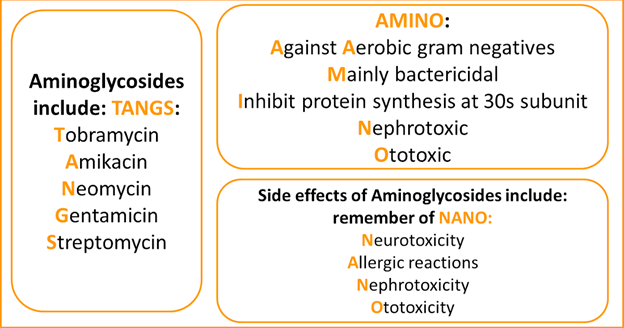
Explanation: Elevated creatinine levels indicate potential kidney dysfunction. Tobramycin is primarily excreted by the kidneys, so elevated creatinine levels can increase the risk of tobramycin toxicity due to reduced drug clearance.
C. Sodium 137 mEq/L
Explanation: Sodium level within the normal range. It doesn't directly impact the administration of tobramycin.
D. Hgb 15 g/dL
Explanation: Hemoglobin (Hgb) measures the concentration of oxygen-carrying protein in the blood. A normal hemoglobin level is not directly related to the administration of tobramycin.
Correct Answer is D
Explanation
A. Determine medication adherence by the client:
This choice is incorrect as the nurse should first take immediate actions to address the client's weight gain and potential exacerbation of heart failure symptoms. While medication adherence is important, it's not the first action to take in this situation.
B. Teach the client about foods low in sodium:
This choice is incorrect as educating the client about sodium intake is important for managing heart failure, but the priority in this case is to address the current weight gain and potential worsening of the client's condition.
C. Encourage the client to dangle the legs while sitting in a chair:
This choice is incorrect. Dangling the legs while sitting in a chair can help improve blood circulation in some cases, but it's not the first action to take when the client has gained a significant amount of weight since the last visit. The priority should be addressing the weight gain and its potential impact on the client's heart failure.
D. Notify the provider of the client's weight gain:
This is the correct choice. When a client with heart failure experiences a sudden weight gain, it can indicate fluid retention and worsening of their condition. Notifying the healthcare provider about the weight gain is crucial to ensure timely assessment, potential medication adjustments, and other interventions to prevent further deterioration of the client's health. Prompt communication with the provider can help prevent complications associated with heart failure.
Whether you are a student looking to ace your exams or a practicing nurse seeking to enhance your expertise , our nursing education contents will empower you with the confidence and competence to make a difference in the lives of patients and become a respected leader in the healthcare field.
Visit Naxlex, invest in your future and unlock endless possibilities with our unparalleled nursing education contents today