
A nurse is preparing to administer the initial dose of penicillin G IM to a client. The nurse should monitor for which of the following as an indication of an allergic reaction following the injection?
Pallor
Dyspepsia
Bradycardia
Urticaria
The Correct Answer is D
A. Pallor:
Incorrect Explanation: While pallor (pale skin) can be a sign of an allergic reaction, it is not a specific indication of an allergic reaction to penicillin.
Explanation: Pallor can occur for various reasons, including shock or vasovagal responses, and it is not unique to allergic reactions.
B. Dyspepsia:
Incorrect Explanation: Dyspepsia (indigestion or upset stomach) is not a typical sign of an allergic reaction.
Explanation: Allergic reactions are more commonly associated with skin, respiratory, and cardiovascular symptoms, rather than gastrointestinal symptoms like dyspepsia.
C. Bradycardia:
Incorrect Explanation: Bradycardia (slow heart rate) is not a typical indicator of an allergic reaction.
Explanation: Allergic reactions generally do not directly cause bradycardia. Rapid heart rate (tachycardia) can be a symptom of an allergic reaction in some cases.
D. Urticaria:
Correct Answer: Urticaria (hives) is a common and characteristic sign of an allergic reaction, including to penicillin.
Explanation: Urticaria presents as raised, itchy, and often red welts on the skin. It is a classic manifestation of an allergic response and can occur rapidly after exposure to an allergen, including medications like penicillin.
Nursing Test Bank
Naxlex Comprehensive Predictor Exams
Related Questions
Correct Answer is B
Explanation
A. Obtain the client's HDL level.
Explanation: This choice is not relevant to the situation. HDL (High-Density Lipoprotein) level is related to cholesterol levels and cardiovascular health, which is not directly affected by the administration of metformin instead of metoprolol.
B. Check the client's glucose level.
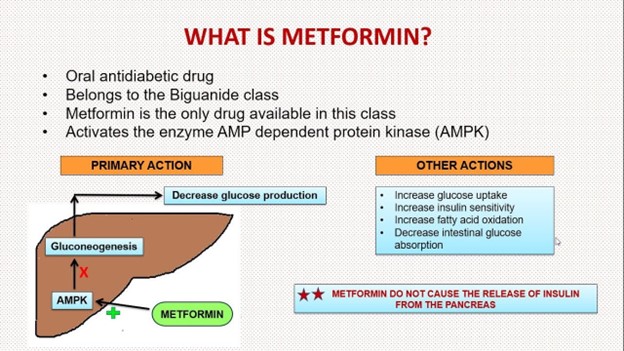
Explanation: Correct Choice. Metformin is an oral antidiabetic medication commonly used to lower blood glucose levels in individuals with type 2 diabetes. It works by improving insulin sensitivity and decreasing glucose production in the liver. Accidentally administering metformin instead of metoprolol could lead to hypoglycemia (low blood sugar) or other adverse effects related to glucose levels. Checking the client's glucose level is essential to assess and address any potential issues arising from this medication error.
C. Monitor the client's thyroid function levels.
Explanation: This choice is not directly relevant to the situation. Metformin and metoprolol do not significantly affect thyroid function levels. Thyroid function monitoring would not be the immediate concern in this scenario.
D. Collect the client's uric acid level.
Explanation: This choice is not directly relevant to the situation. Metformin and metoprolol do not have a primary impact on uric acid levels. Collecting the uric acid level would not be a priority in this context.
Correct Answer is A
Explanation
A. The client has a negative sputum culture.
When a client with tuberculosis is adhering to the prescribed medication regimen, their sputum cultures should show a decrease in the number of Mycobacterium tuberculosis bacteria. This indicates that the medication is effectively treating the infection. It's important for clients with tuberculosis to complete their full course of treatment to prevent drug-resistant strains of the bacteria from developing.
B. The client tests negative for HIV: This relates to a different infection (HIV) and doesn't necessarily reflect adherence to the tuberculosis medication regimen.
C. The client's liver function test results are within the expected reference range: While liver function tests are important to monitor due to potential medication side effects, they don't directly indicate medication adherence.
D. The client has a positive purified protein derivative (PPD) test: A positive PPD test indicates exposure to the tuberculosis bacteria in the past but does not reflect current adherence to treatment.
Whether you are a student looking to ace your exams or a practicing nurse seeking to enhance your expertise , our nursing education contents will empower you with the confidence and competence to make a difference in the lives of patients and become a respected leader in the healthcare field.
Visit Naxlex, invest in your future and unlock endless possibilities with our unparalleled nursing education contents today