
A nurse is teaching a client who has active pulmonary tuberculosis about management of medication for the disease. Which of the following statements is appropriate for the nurse to make?
"You should anticipate taking medication to treat your disease for at least the next 3 years."
"You will need to undergo tuberculin skin tests every 6 months while taking medication for your disease."
"You will need to take two or more medications to treat your disease."
"You should report monthly to have your blood drawn to monitor kidney function while taking medication."
The Correct Answer is C
A. "You should anticipate taking medication to treat your disease for at least the next 3 years."
Incorrect Explanation: This statement is not accurate for the treatment duration of active pulmonary tuberculosis.
Explanation: The standard treatment duration for active pulmonary tuberculosis involves taking a combination of medications for a period of 6 to 9 months, depending on the specific treatment regimen. Three years is not a typical timeframe for the treatment of active TB.
B. "You will need to undergo tuberculin skin tests every 6 months while taking medication for your disease."
Incorrect Explanation: Tuberculin skin tests are not typically performed as a routine part of TB medication management.
Explanation: Tuberculin skin tests (also known as Mantoux tests) are used to diagnose latent tuberculosis infection, not as a means to monitor medication management of active pulmonary tuberculosis.
C. "You will need to take two or more medications to treat your disease."
Correct Answer: This statement is appropriate and accurate for the treatment of active pulmonary tuberculosis.
Explanation: The treatment of active pulmonary tuberculosis usually involves a combination of antibiotics (usually four medications) to ensure effective treatment and to prevent the development of drug-resistant strains.
D. "You should report monthly to have your blood drawn to monitor kidney function while taking medication."
Incorrect Explanation: Monthly blood draws for kidney function monitoring are not standard practice for tuberculosis medication management.
Explanation: While kidney function monitoring might be necessary for certain medications, it is not a standard requirement for all tuberculosis medications. Monitoring kidney function is important, but the frequency and need for blood draws may vary based on individual patient factors and the specific medications prescribed.
Nursing Test Bank
Naxlex Comprehensive Predictor Exams
Related Questions
Correct Answer is A
Explanation
A. Bruxism:
Correct Answer: This adverse effect is a priority to report to the provider.
Explanation: Bruxism refers to teeth grinding or clenching, often unconsciously during sleep. It can be a potential side effect of citalopram and other selective serotonin reuptake inhibitors (SSRIs). Bruxism can lead to dental problems, jaw pain, and other discomforts. If this side effect occurs, it should be reported to the provider as it can impact the client's oral health and overall well-being.
B. Confusion:
Incorrect Explanation: While confusion is a concerning adverse effect, it's not typically associated with citalopram use.
Explanation: Confusion is more commonly associated with other medications or medical conditions. If a client experiences confusion, a thorough assessment is warranted, but it may not be directly attributed to citalopram.
C. Weight loss:
Incorrect Explanation: Weight loss can be a side effect of citalopram, but it's not the highest priority in this scenario.
Explanation: Weight loss is a possible side effect of many antidepressants, including citalopram. However, it is generally not as immediately concerning as other adverse effects that can impact a client's health and well-being.
D. Insomnia:
Incorrect Explanation: Insomnia is a common side effect of citalopram and other antidepressants, but it's not the highest priority in this context.
Explanation: Insomnia can be a transient side effect when starting an antidepressant-like citalopram. While it can affect the client's quality of life, it is not as urgent as potential dental issues caused by bruxism.
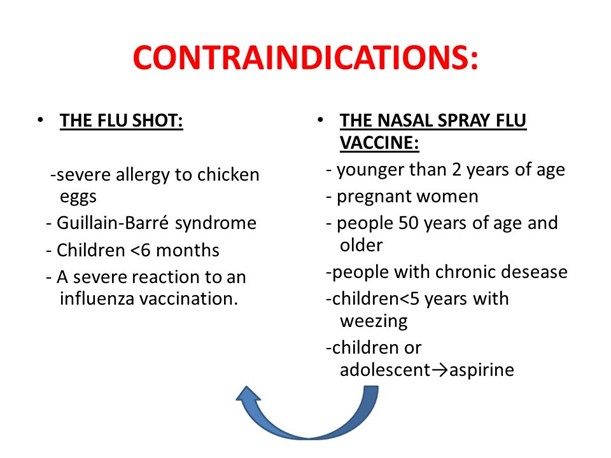
Correct Answer is D
Explanation
A. Peanuts:
While peanut allergies can be severe and life-threatening, they are not a contraindication to receiving the influenza vaccine. Influenza vaccines are not made with peanut-derived ingredients and do not pose a risk to individuals with peanut allergies.
B. Milk:
Milk allergies are not a contraindication to receiving the influenza vaccine. Influenza vaccines are typically free of milk-derived ingredients and do not contain significant amounts of milk proteins that would trigger an allergic reaction in individuals with milk allergies.
C. Shellfish:
Shellfish allergies are not a contraindication to receiving the influenza vaccine. Influenza vaccines are not derived from shellfish and do not contain shellfish proteins that could cause an allergic reaction in individuals with shellfish allergies.
D. Eggs:
This is the correct choice. In the past, some influenza vaccines were prepared using egg-based methods, which could pose a risk to individuals with severe egg allergies. However, most modern influenza vaccines, including those approved for administration in the United States, have extremely low egg protein content. The majority of individuals with egg allergies can safely receive the influenza vaccine, but those with a history of severe egg allergy may still need to consult with their healthcare provider before vaccination.
Whether you are a student looking to ace your exams or a practicing nurse seeking to enhance your expertise , our nursing education contents will empower you with the confidence and competence to make a difference in the lives of patients and become a respected leader in the healthcare field.
Visit Naxlex, invest in your future and unlock endless possibilities with our unparalleled nursing education contents today