
A nurse is initiating continuous enteral feedings for a client who has a new gastrostomy tube. Which of the following actions should the nurse take?
Obtain the client's electrolyte levels every 4 hr.
Keep the client's head elevated at 15° during feedings.
Measure the client's gastric residual every 12 hr.
Flush the client's tube with 30 mL of water every 4 hr.
The Correct Answer is D
A. Obtain the client's electrolyte levels every 4 hr. While monitoring electrolyte levels is important, obtaining them every 4 hours is excessive for a client who is stable and just starting enteral feedings. Typically, electrolyte levels are monitored based on clinical condition and provider orders.
B. Keep the client's head elevated at 15° during feedings. The client's head should be elevated at least 30 to 45 degrees during enteral feedings to reduce the risk of aspiration and improve gastric emptying. A position of only 15 degrees is insufficient for safety.
C. Measure the client's gastric residual every 12 hr. Gastric residuals should be assessed more frequently, especially in the initial stages of enteral feeding. It is typically recommended to check gastric residuals every 4 to 6 hours to ensure proper gastric emptying and tolerance to the feedings.
D. Flush the client's tube with 30 mL of water every 4 hr. Flushing the tube with water every 4 hours is a standard practice to maintain tube patency, prevent clogging, and ensure that the client receives adequate hydration.
Nursing Test Bank
Naxlex Comprehensive Predictor Exams
Related Questions
Correct Answer is B
Explanation
The nurse should identify that the client who follows a vegan diet is at risk for deficiencies in Vitamin D, Vitamin B12, and potentially Calcium.
1. Vitamin D: Vitamin D is primarily obtained from sunlight exposure and is also found in animal-based foods such as fatty fish, liver, and egg yolks. Since a vegan diet excludes animal products, it can be challenging to obtain sufficient Vitamin D. Vegans should consider fortified foods (e.g., plant-based milk, breakfast cereals) and may require Vitamin D supplements.
2. Vitamin B12: Vitamin B12 is naturally found only in animal products, such as meat, fish, dairy, and eggs. Vegans are at a high risk of Vitamin B12 deficiency because
plant-based foods do not provide adequate amounts. Vegans should consider taking Vitamin B12 supplements or consuming foods fortified with Vitamin B12, such as certain plant-based milk, meat substitutes, and breakfast cereals.
3. Calcium: Calcium is essential for bone health. While it is possible to obtain calcium from plant-based sources such as fortified plant milk, tofu, leafy green vegetables, and fortified juices, vegan diets may be lower in calcium compared to diets that include dairy products. Vegans should pay attention to their calcium intake and consider supplements if needed.
Regarding the options listed in the question, Vitamin C, Magnesium, and Folic Acid deficiencies are not directly associated with a vegan diet. These nutrients can be adequately obtained from a well-planned vegan diet that includes a variety of fruits, vegetables, whole grains, legumes, nuts, and seeds.
Correct Answer is A
Explanation
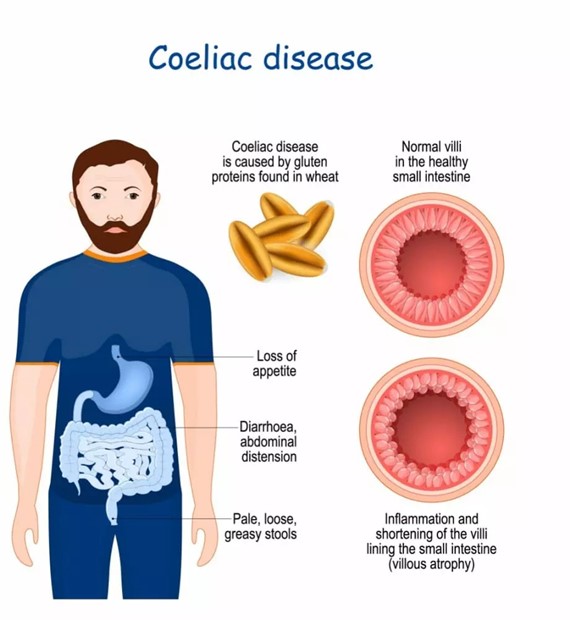
Celiac disease is an autoimmune disorder in which the ingestion of gluten, a protein found in wheat, rye, and barley, triggers an immune response and causes damage to the small intestine. Therefore, individuals with celiac disease need to follow a strict gluten-free diet.
Rice cereal with sliced bananas: This is a suitable choice as long as the rice cereal is gluten-free and there is no cross-contamination with gluten-containing ingredients. Rice is
naturally gluten-free, and fresh fruits like bananas are safe for individuals with celiac disease.
Rye toast with herbal tea: Rye is a gluten-containing grain, so rye toast is not suitable for someone with celiac disease. Herbal tea is typically gluten-free, but the toast is not appropriate.
Graham crackers with peanut butter: Graham crackers are usually made with wheat flour, which contains gluten. Therefore, they are not suitable for someone with celiac disease.
Poached eggs with wheat bagel: Wheat is a gluten-containing grain, so a wheat bagel is not appropriate for someone with celiac disease.
It is essential for individuals with celiac disease to carefully read food labels and select gluten-free options.
Whether you are a student looking to ace your exams or a practicing nurse seeking to enhance your expertise , our nursing education contents will empower you with the confidence and competence to make a difference in the lives of patients and become a respected leader in the healthcare field.
Visit Naxlex, invest in your future and unlock endless possibilities with our unparalleled nursing education contents today