
A nurse is reviewing a client's laboratory results for effectiveness of total parenteral nutrition (TPN). Which of the following laboratory values is the best indicator for the nurse to monitor for short-term effectiveness of the TPN?
Hemoglobin
Total albumin
Transferrin
Prealbumin
The Correct Answer is D
Prealbumin (also known as transthyretin): Prealbumin is a protein synthesized in the liver and has a shorter half-life compared to albumin. It is considered a more sensitive marker for
short-term nutritional changes and can reflect the effectiveness of TPN within a few days.
Prealbumin levels can indicate the response to nutritional interventions and provide a more immediate assessment of nutritional adequacy.
Hemoglobin: Hemoglobin is a measure of the oxygen-carrying capacity of red blood cells and is typically used to assess anemia. While hemoglobin can be affected by nutritional status, it is not a specific marker for the short-term effectiveness of TPN.
Total albumin: Total albumin is a measure of protein status and can be affected by various factors, including inflammation and liver disease. However, it has a longer half-life and slower response to nutritional changes, so it may not be the best indicator for short-term effectiveness.
Transferrin: Transferrin is a protein involved in iron transport and can be used as an indicator of iron status. However, it may not reflect short-term changes in nutritional status and is not specific to TPN effectiveness.
Monitoring prealbumin levels can help determine the short-term effectiveness of TPN and guide adjustments to the nutritional plan.
Nursing Test Bank
Naxlex Comprehensive Predictor Exams
Related Questions
Correct Answer is A
Explanation
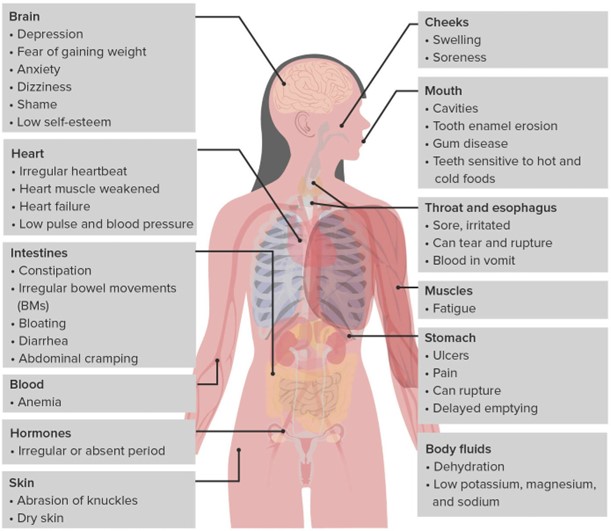
Low potassium levels, known as hypokalemia, can be a significant concern in individuals with bulimia nervosa due to the frequent purging behaviors associated with the condition. Purging, such as self-induced vomiting or misuse of laxatives or diuretics, can lead to excessive loss of potassium from the body. Hypokalemia can have serious consequences, including cardiac arrhythmias, muscle weakness, fatigue, and even life-threatening complications.
The normal range for potassium is typically around 3.5-5.0 mEq/L. With a potassium level of 3.2 mEq/L falling below the normal range, it indicates a low potassium level and requires prompt attention.
The other laboratory results mentioned in the question are within normal ranges:
● A WBC (white blood cell) count of 5,200/mm3 falls within the normal range (typically between 4,500 and 11,000/mm3) and indicates a normal white blood cell count.
● An Hgb (hemoglobin) level of 14 g/dL falls within the normal range (typically between 12 and 16 g/dL) and indicates a normal hemoglobin level.
● A magnesium level of 1.6 mEq/L, although slightly low, is still within the normal range (typically between 1.5 and 2.5 mEq/L). The nurse should monitor it closely and assess for symptoms associated with hypomagnesemia. If the client's symptoms or other clinical indications suggest a significant magnesium imbalance, the healthcare provider should be notified.
Correct Answer is C
Explanation
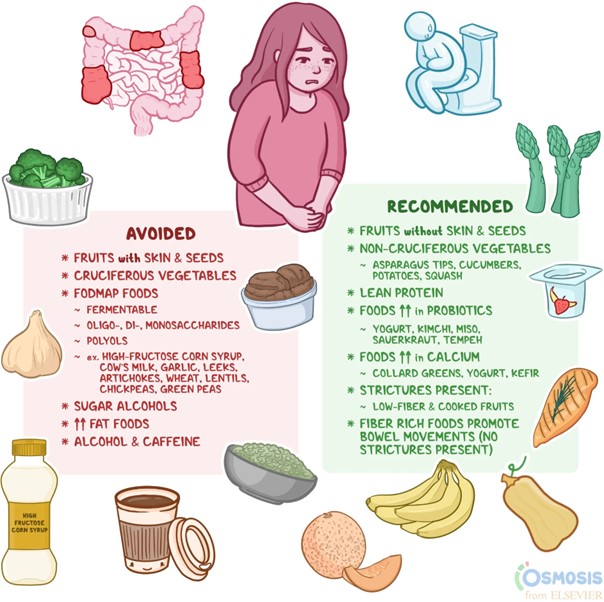
"I should limit the amount of fiber in my diet": This statement demonstrates an understanding of the teaching. In Crohn's disease, certain types of fiber can be difficult to digest and may worsen symptoms such as abdominal pain, diarrhea, and bowel obstruction. Therefore, it is often recommended to limit the intake of high-fiber foods during active disease flares.
"I will need to take mild laxatives to help me have a bowel movement": Taking laxatives is not typically recommended for individuals with Crohn's disease unless specifically prescribed by a healthcare provider. Laxatives can further irritate the intestines and potentially worsen symptoms. Therefore, this statement does not demonstrate an understanding of the teaching.
"I am likely to gain weight due to this disease": Weight loss is a more common occurrence in individuals with Crohn's disease due to factors such as decreased appetite, malabsorption, and increased metabolism. Weight gain is not typically associated with the disease, so this statement does not indicate an understanding of the teaching.
"Avoiding glutamine will help me recover from this disease": Glutamine is an amino acid that plays a role in gut health and repair. It is often considered beneficial for individuals with Crohn's disease as it supports intestinal healing. Therefore, avoiding glutamine would not be recommended for recovery from the disease. This statement does not indicate an understanding of the teaching.
Whether you are a student looking to ace your exams or a practicing nurse seeking to enhance your expertise , our nursing education contents will empower you with the confidence and competence to make a difference in the lives of patients and become a respected leader in the healthcare field.
Visit Naxlex, invest in your future and unlock endless possibilities with our unparalleled nursing education contents today