
A nurse is monitoring a client who has been diagnosed with post-traumatic stress disorder (PTSD). The nurse recognizes that people diagnosed with PTSD may exhibit symptoms similar to which of the following mental health disorders?
Depressive disorders
Anxiety disorders
Substance use disorder
Dissociative disorders
Anorexia nervosa
Schizophrenia spectrum disorders
Correct Answer : A,B,C,D
Choice A reason: PTSD often presents with symptoms such as hopelessness, loss of interest, and persistent sadness, which overlap with depressive disorders. Clients may experience low mood, guilt, and impaired concentration similar to major depressive disorder.
Choice B reason: Anxiety disorders share many features with PTSD, including hypervigilance, restlessness, and exaggerated startle responses. Clients with PTSD often experience ongoing anxiety, panic attacks, and difficulty relaxing, making this a strong overlap.
Choice C reason: Substance use disorder is common in individuals with PTSD because they may attempt to self-medicate distressing symptoms such as intrusive memories, nightmares, or hyperarousal. This maladaptive coping mechanism often leads to comorbid addiction issues.
Choice D reason: Dissociative disorders are also linked to PTSD, as clients may detach from reality or experience depersonalization and derealization in response to trauma. Dissociation serves as a defense mechanism to escape overwhelming stress.
Choice E reason: Anorexia nervosa is not typically associated with PTSD. While trauma can influence eating behaviors, anorexia nervosa is a distinct disorder characterized by body image disturbance and restrictive eating, not a direct overlap with PTSD symptoms.
Choice F reason: Schizophrenia spectrum disorders involve psychosis, hallucinations, and delusions, which differ from PTSD symptoms. Although PTSD can include flashbacks and intrusive memories, these are trauma-related and not psychotic in nature.
Nursing Test Bank
Naxlex Comprehensive Predictor Exams
Related Questions
Correct Answer is ["B","D","E"]
Explanation
Choice A reason: Blood pressure is a vital sign measurement and not a symptom of schizophrenia. It does not reflect the psychiatric manifestations of the disorder. Negative symptoms are characterized by deficits in normal emotional and behavioral functioning, not changes in vital signs. Therefore, blood pressure is unrelated to the assessment of negative symptoms.
Choice B reason: Lack of motivation is a hallmark negative symptom of schizophrenia. It reflects avolition, which is the inability to initiate or persist in goal-directed activities. This symptom often leads to difficulties in maintaining daily routines, attending therapy, or engaging in social interactions. It is directly linked to the functional impairment seen in clients with schizophrenia.
Choice C reason: Hallucinations are considered positive symptoms of schizophrenia, not negative symptoms. Positive symptoms involve the presence of abnormal experiences, such as auditory or visual hallucinations, delusions, or disorganized speech. While distressing, hallucinations represent an addition to normal functioning rather than a deficit, so they do not fall under the category of negative symptoms.
Choice D reason: Lack of energy is a negative symptom because it reflects diminished emotional and physical drive. This symptom contributes to the client’s inability to participate in activities, maintain self-care, or engage socially. It is often associated with anhedonia and avolition, both of which are central to negative symptomatology.
Choice E reason: Withdrawn behavior is another negative symptom. Social withdrawal indicates reduced ability or desire to interact with others, often due to flat affect, lack of motivation, or diminished emotional responsiveness. This symptom significantly impacts the client’s quality of life and ability to maintain relationships, making it a key indicator of negative symptoms in schizophrenia.
Correct Answer is B
Explanation
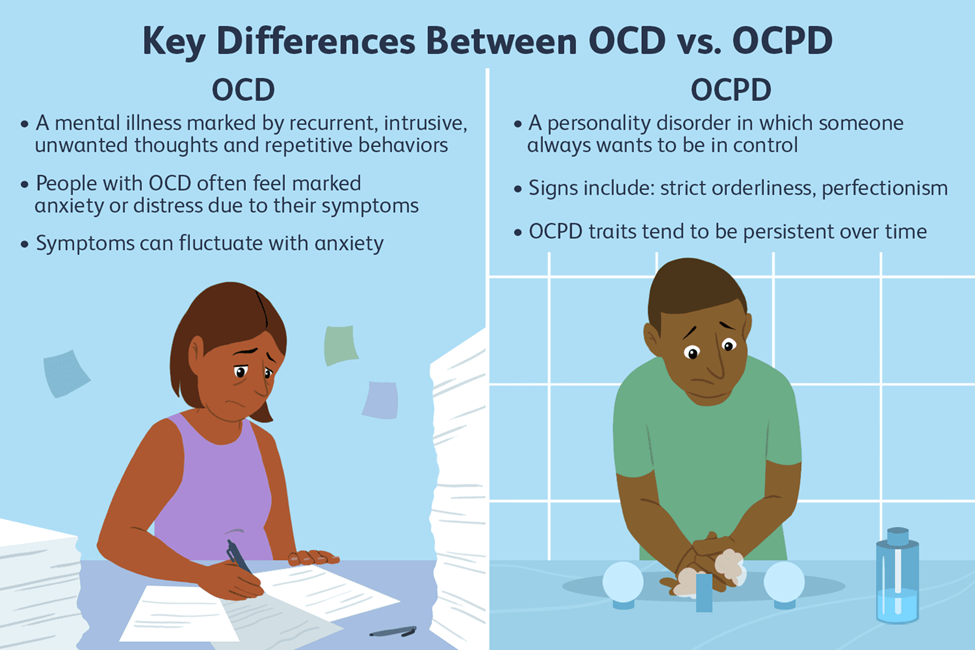
Choice A reason: Manipulating and controlling others’ behavior is not the purpose of compulsive cleaning in OCD. The client’s actions are driven by internal anxiety rather than a desire to control others.
Choice B reason: Compulsive behaviors such as cleaning are performed to reduce anxiety to a tolerable level. In OCD, rituals temporarily relieve distress caused by intrusive thoughts. This makes option B the most accurate description of the client’s behavior.
Choice C reason: While cleaning may appear useful, in OCD it is not a productive task but a ritualistic compulsion. The behavior is not focused on utility but on alleviating anxiety.
Choice D reason: Although compulsive cleaning may limit social interaction, this is a secondary effect. The primary purpose is anxiety reduction, not avoidance of others.
Whether you are a student looking to ace your exams or a practicing nurse seeking to enhance your expertise , our nursing education contents will empower you with the confidence and competence to make a difference in the lives of patients and become a respected leader in the healthcare field.
Visit Naxlex, invest in your future and unlock endless possibilities with our unparalleled nursing education contents today