
A nurse is monitoring a client who is receiving 2 units of packed RBCs. Which of the following manifestations indicates a hemolytic transfusion reaction?
Bradycardia
Hypertension
Back pain
Chills
The Correct Answer is C
Choice A Reason:
Bradycardia - Bradycardia is not a typical symptom of a haemolytic transfusion reaction.
Choice B Reason;
Hypertension - Hypertension is not a common manifestation of a haemolytic transfusion reaction.
Choice C Reason:
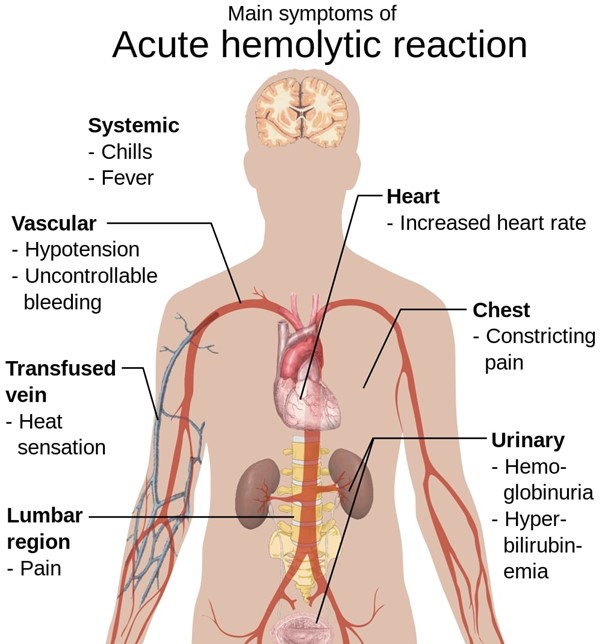
Back pain A haemolytic transfusion reaction is a severe and potentially life-threatening complication that can occur when the immune system reacts against the transfused red blood cells. Back pain is a classic symptom of a haemolytic transfusion reaction. It is often accompanied by other symptoms such as fever, chills, chest pain, dyspnoea, nausea, vomiting, haematuria, and hemoglobinuria (presence of haemoglobin in the urine).
Choice D Reason:
Chills - Chills can occur in various types of transfusion reactions, including haemolytic reactions, but they are not as specific as back pain for indicating a haemolytic transfusion reaction.
Nursing Test Bank
Naxlex Comprehensive Predictor Exams
Related Questions
Correct Answer is B
Explanation
Choice A Reason:
"I will tell your provider that you do not want to take this medication." - This response does not address the client's concerns and might lead to a confrontational approach.It might also prematurely suggest stopping the medication without discussing potential consequences or alternatives.
Choice B Reason:
"Your provider wouldn't prescribe this medication if it weren't necessary." Response B is the most appropriate and therapeutic response in this situation. It acknowledges the client's concerns while also emphasizing the importance of following the provider's prescription. By reassuring the client that the provider's decision to prescribe the medication is based on their assessment and medical judgment, the nurse promotes trust and encourages the client to comply with the treatment plan.
Choice C Reason:
"Most clients feel better after taking the antibiotic." - While true, this response doesn't directly address the client's specific concern and might not alleviate their doubts.
Choice D Reason:
"If you don't take this medication, you will feel worse." - This response might come across as overly negative and could potentially lead to resistance or defensiveness from the client. It's important to approach the situation with empathy and respect for the client's perspective.
Correct Answer is A
Explanation
Choice A reason:
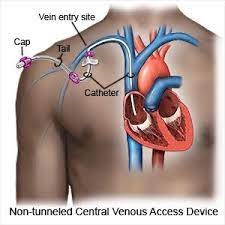
Confirming the correct position of the line by obtaining a blood sample is appropriate. Inserting a central venous catheter is a procedure that involves placing a catheter into a large vein, typically in the neck, chest, or groin. Confirming the correct placement is crucial to prevent complications such as pneumothorax (lung collapse) or catheter misplacement.
Choice B reason:
Instructing the client to cough as the catheter is inserted is not a standard practice during central venous catheter insertion and could lead to unnecessary complications.
Choice C reason:
Placing the head of the client's bed lower than the foot (Trendelenburg position) is not a standard practice during central venous catheter insertion and would not be helpful for this procedure.
Choice D reason:
Cleansing the site with hydrogen peroxide is not the recommended method for central venous catheter insertion. Typically, a sterile technique and appropriate antiseptic solution are used to reduce the risk of infection.
Whether you are a student looking to ace your exams or a practicing nurse seeking to enhance your expertise , our nursing education contents will empower you with the confidence and competence to make a difference in the lives of patients and become a respected leader in the healthcare field.
Visit Naxlex, invest in your future and unlock endless possibilities with our unparalleled nursing education contents today