
A nurse is participating in an interdisciplinary conference for a client who has heart failure, reports limited resources, and lives alone. Which of the following actions is the nurse's responsibility?
Coordinate the team and the plan of care.
Order durable medical equipment for the client's home.
Help the client obtain financial assistance.
Perform a dietary assessment.
The Correct Answer is D
Choice A reason: This is not the correct choice because this action is not the nurse's responsibility. Coordinating the team and the plan of care is the role of the case manager or the social worker, who can facilitate communication and collaboration among the different disciplines involved in the client's care.
Choice B reason: This is not the correct choice because this action is not the nurse's responsibility. Ordering durable medical equipment for the client's home is the role of the occupational therapist or the physical therapist, who can assess the client's functional needs and abilities and recommend the appropriate devices.
Choice C reason: This is not the correct choice because this action is not the nurse's responsibility. Helping the client obtain financial assistance is the role of the social worker or the financial counselor, who can identify the client's eligibility and options for funding and insurance coverage.
Choice D reason: This is the correct choice because this action is the nurse's responsibility. Performing a dietary assessment is part of the nursing process and the scope of practice of the nurse, who can evaluate the client's nutritional status and needs and provide education and counseling on diet modifications and interventions.
Nursing Test Bank
Naxlex Comprehensive Predictor Exams
Related Questions
Correct Answer is B
Explanation
Choice A reason: Allowing the AP to document the vital signs prior to logging out is not a correct action, as it violates the principles of confidentiality and accountability. The nurse should not share their login credentials or allow anyone else to use their electronic record.
Choice B reason: Logging out so the AP can log in to document the vital signs is the correct action, as it ensures that the documentation is accurate, timely, and secure. The nurse should log out of the electronic record after completing their charting and allow the AP to log in using their own credentials.
Choice C reason: Offering to chart the vital signs for the AP is not a correct action, as it delays the documentation and increases the risk of errors. The nurse should not chart the vital signs for the AP, as they are not the ones who obtained them.
Choice D reason: Recommending the AP come back later when the record is available is not a correct action, as it also delays the documentation and reduces the availability of the electronic record. The nurse should not make the AP wait for the record, as it may affect the continuity of care.
Correct Answer is C
Explanation
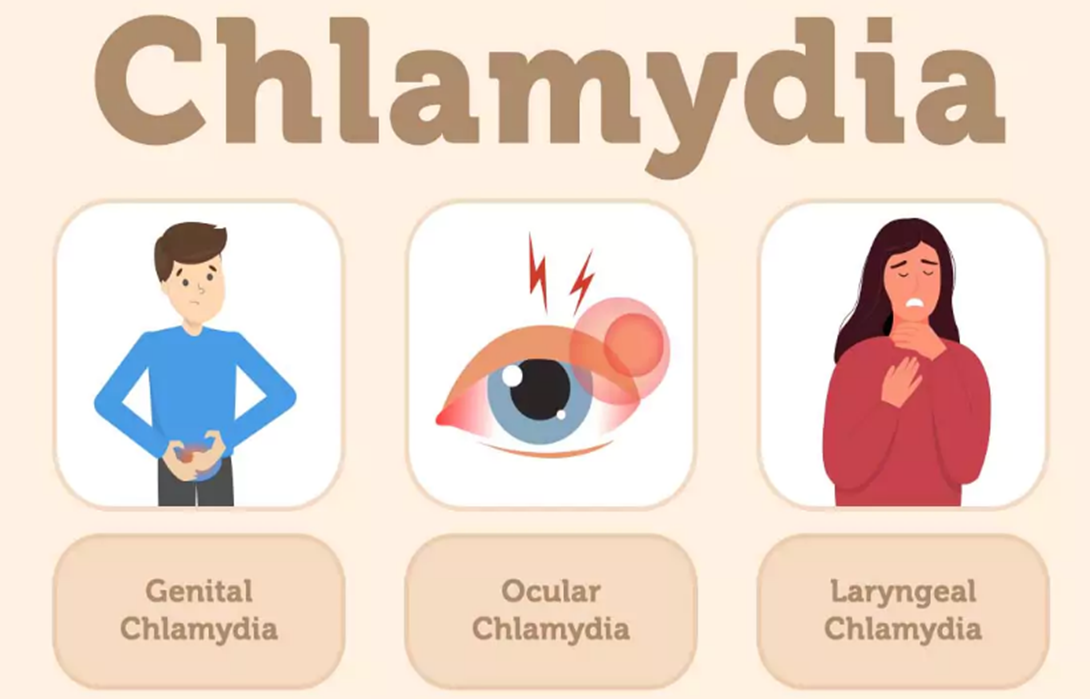
Choice A reason: Using condoms during treatment for chlamydia is important for preventing transmission, but this is not the priority nursing action. The most critical step for the nurse is fulfilling the legal and public health obligation to report the infection to the health department, as chlamydia is a reportable sexually transmitted infection.
Choice B reason: This is not the correct choice because this action is not appropriate for clients who have chlamydia. Chlamydia is caused by bacteria, not viruses, so antiviral creams are ineffective and unnecessary. The nurse should administer the prescribed antibiotics and monitor the client for any adverse reactions or complications.
Choice C reason:Reporting the infection to the local health department is correct. Chlamydia is a reportable disease in all states, and this step ensures proper public health tracking, partner notification, and prevention of further spread. This is a nurse’s responsibility in accordance with infection control and community health regulations.
Choice D reason: This is not the correct choice because this action is not indicated for clients who have chlamydia. Contact precautions are used to prevent the transmission of infections that are spread by direct or indirect contact with the client or their environment. Chlamydia is not spread by contact, but by sexual intercourse. The nurse should use standard precautions, which include hand hygiene and wearing gloves, when caring for the client.
Whether you are a student looking to ace your exams or a practicing nurse seeking to enhance your expertise , our nursing education contents will empower you with the confidence and competence to make a difference in the lives of patients and become a respected leader in the healthcare field.
Visit Naxlex, invest in your future and unlock endless possibilities with our unparalleled nursing education contents today