
A nurse is planning care for an adolescent who has sickle cell anemia.
Which of the following immunization should the nurse include in the plan?
pneumococcal conjugate (PCV13)
Respiratory syncytial virus (RSV).
Measles, Mumps, and rubella MMR
Rotavirus.
The Correct Answer is A
Choice A rationale
The pneumococcal conjugate vaccine (PCV13) is recommended for children with sickle cell anemia. This is because individuals with sickle cell disease are at an increased risk of infection, and the PCV13 vaccine can help protect against Streptococcus pneumoniae, a bacterium that can cause serious infections like pneumonia and meningitis.
Choice B rationale
The Respiratory syncytial virus (RSV) vaccine is not typically included in the immunization schedule for children with sickle cell anemia.
Choice C rationale
While the Measles, Mumps, and Rubella (MMR) vaccine is part of the standard immunization schedule for all children, it is not specifically indicated for children with sickle cell anemia.
Choice D rationale
The Rotavirus vaccine is part of the standard immunization schedule for all infants, but it is not specifically indicated for children with sickle cell anemia.
Nursing Test Bank
Naxlex Comprehensive Predictor Exams
Related Questions
Correct Answer is A
Explanation
The correct answer is A. Antibiotics initiated 24 hr ago.
Explanation:
Children with bacterial meningitis require droplet precautions to prevent the spread of infection. These precautions can typically be discontinued after 24 hours of effective antibiotic therapy, as the risk of transmission significantly decreases.
Why the other options are incorrect:
-
B. Negative cerebrospinal fluid (CSF) culture – While a negative CSF culture confirms the absence of bacteria, cultures may take several days to process. Droplet precautions are usually lifted based on treatment duration, not pending lab results.
-
C. Absent nuchal rigidity – Nuchal rigidity (stiff neck) is a symptom of meningitis, but its resolution does not determine infectious risk.
-
D. Temperature below 37.4°C (99.4°F) – Fever reduction is a sign of improvement but does not indicate that the infection is no longer transmissible.
Correct Answer is ["A"]
Explanation
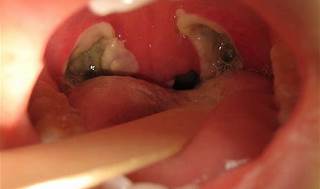
The correct answer is choice a. Discourage the child from coughing.
Choice A rationale:
Discouraging the child from coughing is important because coughing can dislodge clots and cause bleeding at the surgical site, which is a common complication after a tonsillectomy.
Choice B rationale:
Providing cranberry juice to the child is not recommended because acidic juices can irritate the throat and cause discomfort or pain.
Choice C rationale:
Maintaining the child in a supine position is not ideal as it can increase the risk of aspiration. Instead, the child should be positioned on their side or with the head elevated to facilitate drainage and reduce the risk of aspiration.
Choice D rationale:
Administering an analgesic to the child on a scheduled basis is important for pain management, but it is not the most immediate action to take one hour postoperatively. Pain management should be part of the overall care plan.
Whether you are a student looking to ace your exams or a practicing nurse seeking to enhance your expertise , our nursing education contents will empower you with the confidence and competence to make a difference in the lives of patients and become a respected leader in the healthcare field.
Visit Naxlex, invest in your future and unlock endless possibilities with our unparalleled nursing education contents today