
A nurse is preparing to administer medication to a client. Which of the following should the nurse use as a client identifier?
Room number.
Age.
Photograph.
Bed number.
The Correct Answer is C
This statement indicates that the nurse should use a photograph as a client identifier when administering medication.
Using a photograph can help to ensure that the medication is being given to the correct client.
Choice A is wrong because room numbers can change and may not accurately identify the client.
Choice B is wrong because age alone is not sufficient to identify a client.
Choice D is wrong because bed numbers can change and may not accurately identify the client.
Nursing Test Bank
Naxlex Comprehensive Predictor Exams
Related Questions
Correct Answer is A
Explanation
Eating a light carbohydrate snack before bedtime can help promote sleep by increasing the level of tryptophan in the brain.
Choice B is wrong because taking a 30-min nap daily can disrupt nighttime sleep and worsen insomnia.
Choice C is wrong because drinking a cup of hot cocoa before bedtime can interfere with sleep due to its caffeine content.
Choice D is wrong because exercising 1 hr before bedtime can increase alertness and make it more difficult to fall asleep.
Correct Answer is D
Explanation
This is important to prevent urine from flowing back into the bladder, which can cause infection 1.
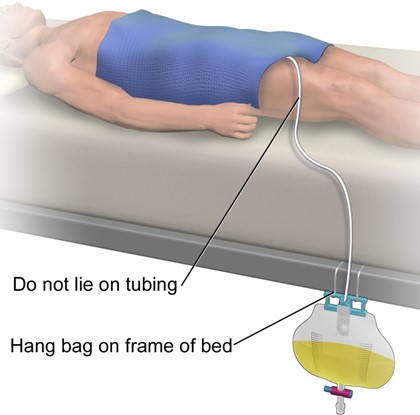
Choice A is incorrect because the catheter should be secured to the outer side of the thigh, not taped to the lower abdomen 2.
Choice B is incorrect because attaching the drainage bag to the side rails of the bed can cause it to be above the level of the bladder.
Choice C is incorrect because it is important to empty the drainage bag regularly, not just when it is three-quarters full.
Whether you are a student looking to ace your exams or a practicing nurse seeking to enhance your expertise , our nursing education contents will empower you with the confidence and competence to make a difference in the lives of patients and become a respected leader in the healthcare field.
Visit Naxlex, invest in your future and unlock endless possibilities with our unparalleled nursing education contents today