
A nurse is teaching an older adult client who has type 2 diabetes mellitus about how to care for corns and calluses on her toes.
Which of the following statements by the client indicates an understanding of the teaching?
"I should soak my feet in warm water daily to soften corns and calluses.".
"I can place an oval corn pad over toes that have corns as long as I remove the pad weekly.".
"I should use an over-the-counter liquid medication to remove corns.".
"I can apply lotion to soften calluses as long as I don't put lotion between my toes.".
The Correct Answer is D
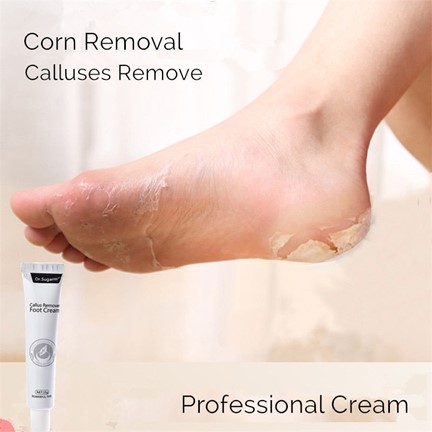
“I can apply lotion to soften calluses as long as I don’t put lotion between my toes.” This is because moisturizing can help keep skin soft and prevent corns and calluses from forming.
However, it is important to avoid putting lotion between the toes as this can increase the risk of infection 1.
Choice A is wrong because soaking feet in warm water daily can soften corns and calluses, making it easier to remove the thickened skin 2.
Choice B is wrong because while using corn pads can help protect the area where corn has formed, it is important to follow the manufacturer’s instructions for use and removal.
Choice C is wrong because using over-the-counter liquid medication to remove corn is not recommended for people with diabetes.
Nursing Test Bank
Naxlex Comprehensive Predictor Exams
Related Questions
Correct Answer is B
Explanation
The nurse should first auscultate the client’s bowel sounds.
This will provide important information about the client’s gastrointestinal function and can help determine the cause of the client’s symptoms.
Choice A is wrong because while offering pain medication may provide temporary relief, it does not address the underlying cause of the client’s symptoms.
Choice C is wrong because palpating the abdomen before auscultating bowel sounds can alter the bowel sounds and make it more difficult to accurately assess the client’s condition.
Choice D is wrong because administering an antiemetic may provide temporary relief from nausea and vomiting, but it does not address the underlying cause of the client’s symptoms.
Correct Answer is C
Explanation
If a client expresses confusion or lack of understanding about a medical procedure, the nurse should notify the provider so that they can clarify any misunderstandings and ensure that the client is fully informed before giving their consent.
Choice A is wrong because providing brochures about the procedure may not be sufficient to address the client’s confusion or lack of understanding.
Choice B is wrong because completing an incident report is not an appropriate action in this situation.
Choice D is wrong because it is the provider’s responsibility to ensure that the client fully understands the procedure and gives informed consent.
Whether you are a student looking to ace your exams or a practicing nurse seeking to enhance your expertise , our nursing education contents will empower you with the confidence and competence to make a difference in the lives of patients and become a respected leader in the healthcare field.
Visit Naxlex, invest in your future and unlock endless possibilities with our unparalleled nursing education contents today