
A nurse is providing teaching about dietary modifications to a client who has cholecystitis. The nurse should include which of the following foods as appropriate for the client's diet?
Ground beef
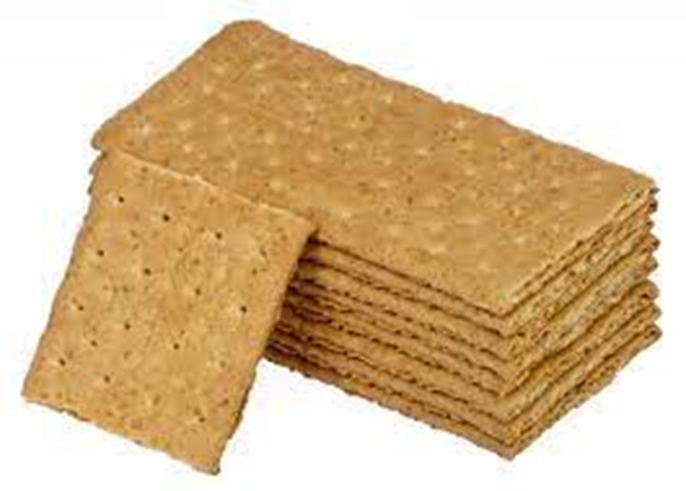
Graham crackers
Blueberry muffins
2% milk
The Correct Answer is B
Choice A reason: Ground beef is high in saturated fat and cholesterol, which can increase the risk of gallstones. A client with cholecystitis should avoid fatty, greasy, or fried foods; meats; and cheeses.
Choice B reason: Graham crackers are low in fat and high in fiber, which can help prevent gallstones. A client with cholecystitis should eat more foods that are high in fiber, such as fruits, vegetables, beans, and whole grains.
Choice C reason: Blueberry muffins may contain butter, eggs, or milk, which are sources of saturated fat and cholesterol. A client with cholecystitis should eat fewer refined carbohydrates and less sugar.
Choice D reason: 2% milk is a dairy product that contains saturated fat and cholesterol. A client with cholecystitis should eat healthy fats, like fish oil and olive oil, to help the gallbladder contract and empty on a regular basis.
Nursing Test Bank
Naxlex Comprehensive Predictor Exams
Related Questions
Correct Answer is B
Explanation
Choice A reason: Measuring the client's gastric residual every 12 hr is not frequent enough to monitor the feeding tolerance and prevent aspiration. The nurse should measure the gastric residual before each intermittent feeding or every 4 to 6 hr during continuous feeding¹².
Choice B reason: Flushing the client's tube with 30 mL of water every 4 hr is an appropriate action to maintain the tube patency, prevent clogging, and hydrate the client. The nurse should flush the tube before and after each medication administration, feeding, or gastric residual check¹³.
Choice C reason: Keeping the client's head elevated at 15° during feedings is not sufficient to prevent reflux and aspiration. The nurse should elevate the head of the bed at least 30° to 45° during feedings and for at least 30 min to 1 hr after feedings¹⁴.
Choice D reason: Obtaining the client's electrolyte levels every 4 hr is not necessary unless the client has signs of fluid or electrolyte imbalance, such as edema, dehydration, or abnormal vital signs. The nurse should monitor the client's weight, intake and output, and laboratory values as ordered by the provider¹⁵.
Correct Answer is ["A","B","C"]
Explanation
Choice A reason: Sipping fluids slowly throughout the day can help prevent dehydration and electrolyte imbalance, which can worsen nausea and vomiting. Fluids also help flush out the toxins from the chemotherapy and reduce the risk of kidney damage¹².
Choice B reason: Consuming foods that are served cold can help reduce the stimulation of the chemoreceptor trigger zone (CTZ), which is responsible for triggering nausea and vomiting. Cold foods also have less odor and taste, which can be unpleasant for some clients with CINV³⁴.
Choice C reason: Sitting up for 1 hr after eating meals can help prevent reflux and aspiration, which can cause more nausea and vomiting. Sitting up can also promote gastric emptying and digestion.
Choice D reason: Limiting the use of antiemetics until after the first emesis is not a recommended practice, as it can make nausea and vomiting more difficult to control. Antiemetics should be given before, during, and after chemotherapy, according to the emetogenic potential of the agents and the client's individual response.
Choice E reason: Eating foods low in carbohydrates is not a helpful strategy for CINV, as carbohydrates can provide energy and prevent hypoglycemia, which can also cause nausea and vomiting. Carbohydrates can also help settle the stomach and reduce acid production.
Whether you are a student looking to ace your exams or a practicing nurse seeking to enhance your expertise , our nursing education contents will empower you with the confidence and competence to make a difference in the lives of patients and become a respected leader in the healthcare field.
Visit Naxlex, invest in your future and unlock endless possibilities with our unparalleled nursing education contents today