
A nurse is teaching a client ways to manage anorexia while receiving radiation therapy. Which of the following statements by the client shows an understanding of the teaching?
“I will limit high-calorie supplements to between meals.”
“I will avoid overeating during 'good' days.”
“I will consume nutrition-dense foods first.”
“I will eat hot foods rather than cold foods.”
The Correct Answer is C
Choice A reason: Limiting high-calorie supplements to between meals is not a good strategy for managing anorexia while receiving radiation therapy because it can reduce the appetite and intake of regular meals, which are more nutritious and balanced. High-calorie supplements should be used as an addition to, not a replacement for, regular meals.
Choice B reason: Avoiding overeating during 'good' days is not a good strategy for managing anorexia while receiving radiation therapy because it can cause discomfort, nausea, or vomiting, which can worsen anorexia and affect the tolerance of radiation therapy. Eating should be based on hunger and satiety cues, not on good or bad days.
Choice C reason: Consuming nutrition-dense foods first is a good strategy for managing anorexia while receiving radiation therapy because it can ensure adequate intake of calories, protein, vitamins, and minerals, which are essential for healing and recovery. Nutrition-dense foods are those that provide high amounts of nutrients per serving, such as eggs, cheese, nuts, beans, and meat.
Choice D reason: Eating hot foods rather than cold foods is not a good strategy for managing anorexia while receiving radiation therapy because it can irritate the mouth and throat, which may be inflamed or sore due to radiation therapy. Cold foods are more soothing and refreshing for the mouth and throat, such as ice cream, yogurt, smoothies, and popsicles.
Nursing Test Bank
Naxlex Comprehensive Predictor Exams
Related Questions
Correct Answer is D
Explanation
Choice A reason: The client's creatinine level of 1.0 mg/dL is within the normal range (0.6-1.2), but it does not indicate the effectiveness of the treatment for benign prostatic hyperplasia. Creatinine is a waste product of muscle metabolism that is filtered by the kidneys. High creatinine levels can indicate kidney damage or impaired renal function.
Choice B reason: The client's urine output of 35 mL/hr is below the normal range (40-60), and it indicates the need for further assessment. Low urine output can indicate dehydration, urinary retention, or kidney failure.
Choice C reason: The client's stool consistency and color are not related to the treatment for benign prostatic hyperplasia. Soft, brown stool is normal and does not indicate any problem with the digestive system.
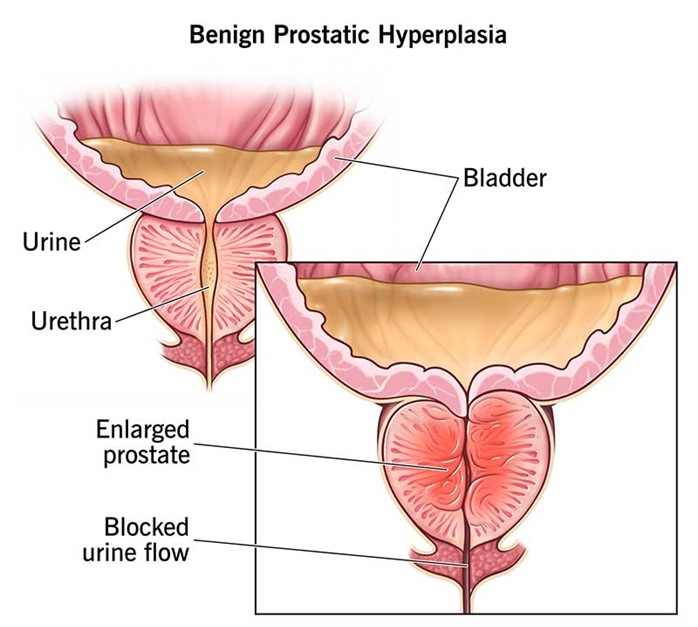
Choice D reason: The client's ability to urinate without straining indicates that the treatment for benign prostatic hyperplasia has been effective. Benign prostatic hyperplasia is a condition in which the prostate gland enlarges and compresses the urethra, causing difficulty in urination. Treatment options include medication, surgery, or minimally invasive procedures to reduce the size of the prostate and relieve urinary obstruction.
Correct Answer is C
Explanation
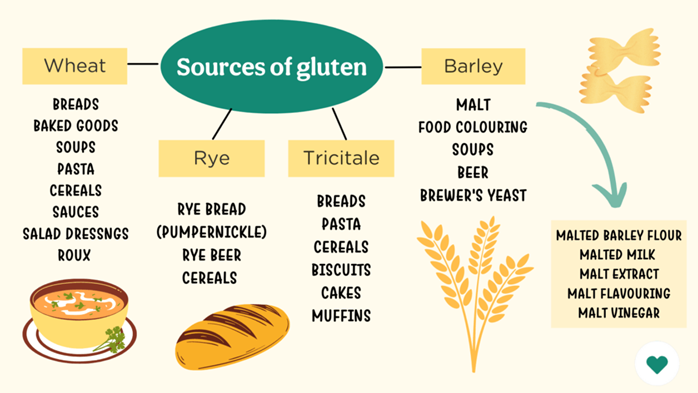
Choice Areason: Graham crackers are made from wheat flour, which contains gluten. Peanut butter is a good source of fat and protein, but it may also contain traces of gluten from cross-contamination.
Choice Breason: Poached eggs are a good source of protein, but wheat bagel contains gluten, which is a protein found in wheat, barley, and rye. Gluten can damage the small intestine and cause malabsorption, diarrhea, and abdominal pain in people with celiac disease.
Choice C reason: Rice cereal is gluten-free and a good source of carbohydrates. Sliced bananas are gluten-free and a good source of potassium, fiber, and vitamin C.
Choice D reason: Rye toast contains gluten, which can harm people with celiac disease. Herbal tea is gluten-free and can help with hydration, but it does not provide enough calories or nutrients.
Whether you are a student looking to ace your exams or a practicing nurse seeking to enhance your expertise , our nursing education contents will empower you with the confidence and competence to make a difference in the lives of patients and become a respected leader in the healthcare field.
Visit Naxlex, invest in your future and unlock endless possibilities with our unparalleled nursing education contents today